


From October 1, 2026, businesses using the WhatsApp Business Platform will pay Meta for service messages and qualifying utility messages sent during the 24-hour customer-service window. Ordinary WhatsApp users are not being charged to send messages, and the change should not be confused with the standard WhatsApp Business app used by many small businesses.
WhatsApp Will Charge Businesses for Customer-Service Replies Starting October 1
Businesses that use WhatsApp at scale for customer support are about to lose an important free messaging window. From October 1, 2026, Meta will begin charging for service replies and qualifying utility messages that businesses currently send without a Meta messaging fee after customers contact them.
Meta is changing the pricing of the WhatsApp Business Platform from October 1, 2026, when service messages sent by businesses during an active 24-hour customer-service window will become chargeable on a per-message basis. A second change will make utility messages sent in response to customers during that same window billable as well.
This matters because both types of messages can currently be sent without a Meta messaging charge in those circumstances. Service messages have been free since November 2024, while qualifying utility messages within an open customer-service window have been free since July 2025. The change does not mean ordinary WhatsApp users will begin paying to send messages. It primarily affects organisations using the WhatsApp Business Platform — often through an API, customer-support system, chatbot or Business Solution Provider — to communicate with customers at scale.
What exactly changes on October 1?
When a customer sends a message to a business through the WhatsApp Business Platform, a 24-hour customer-service window opens or resets. During that window, the business can currently respond with ordinary, non-template service messages without paying Meta for those replies.
That might include a bank responding to:
“Why hasn't my transfer arrived?”
a retailer answering:
“Is my order ready?”
or a telecom company responding to:
“Why is my data not working?”
From October 1, those business-to-customer service replies will become billable. Twilio, one of the major companies that provides WhatsApp Business Platform infrastructure, explains in its October 2026 pricing notice that Meta will charge on a per-message basis for all service messages from that date.
The same notice confirms that utility template messages sent within the customer-service window will also become chargeable. Utility messages generally relate to an existing transaction or account activity, such as payment confirmations, billing notices, order updates and delivery information.
WhatsApp already charges businesses for some messages
The October change should not be interpreted as WhatsApp introducing business messaging charges for the first time. Meta already operates a per-message pricing system for categories including marketing, utility and authentication messages under various circumstances.
According to the official WhatsApp Business Platform pricing page, businesses are charged when qualifying messages are delivered, with rates determined by factors including the recipient's market and message category.
The important October change is that two types of messages that currently receive free treatment in the customer-service window will no longer do so. That distinction matters because a headline simply saying “WhatsApp will start charging businesses per message”makes the policy sound much broader than it actually is.
Which Nigerian businesses could feel the change most?
For a small business owner manually answering a few customers on the ordinary WhatsApp Business app, this particular Platform pricing change may not substantially alter day-to-day messaging. The greater impact is likely to be felt by companies handling customer conversations at scale.
That includes:
- banks and fintech companies;
- telecommunications providers;
- e-commerce platforms;
- logistics companies;
- airlines and travel businesses;
- large retailers;
- insurance providers;
- customer-support operations using WhatsApp chatbots or agents.
A Nigerian fintech receiving thousands of support requests every day, for example, may send several replies while resolving a single customer's complaint. Under a per-message model, the number of outbound replies becomes more important to the cost calculation than it was while those service messages were free.
This does not mean customers will pay to contact their bank
For consumers, the distinction is equally important. If you send a WhatsApp message to your bank, retailer or another participating company, Meta is not introducing a general charge that you personally must pay simply for sending that message.
The pricing change concerns messages businesses deliver through the WhatsApp Business Platform, nor does it mean WhatsApp itself is becoming a paid messaging app for ordinary users. WhatsApp has separately confirmed in its Business App information that the ordinary WhatsApp Business app remains a distinct product from the WhatsApp Business Platform.
This is why reports about the October pricing change should avoid treating “WhatsApp Business” and the “WhatsApp Business Platform” as though they are exactly the same thing.
Why businesses may need to rethink automated conversations
The change could be particularly important for organisations using chatbots and automated customer-service systems.
A bot may currently send several short messages:
Hello.
We have located your transaction.
It is currently being processed.
Would you like more help?
From a customer-experience perspective, that conversational style may feel natural. From October, however, businesses may have more reason to consider whether the same information could be communicated clearly in fewer messages.
That does not mean companies should make customer service deliberately difficult or force every conversation into one enormous reply. Rather, the economics of unnecessary automated messages will change when each delivered service message carries a cost.
Businesses using third-party providers should also remember that Meta's messaging fee may not be the entire cost. Providers can charge their own platform, hosting, automation or messaging fees separately.
What about the reported Nigerian price per message?
Several Nigerian reports have circulated figures of roughly $0.0101 per service or utility message, sometimes converted to around ₦14 depending on the exchange rate used. That number should be treated cautiously until the applicable October rate card is confirmed.
Meta's pricing system is market-specific and category-specific, and its official pricing page allows rates to vary according to the country associated with the recipient. Exchange rates also move, meaning a fixed naira conversion can quickly become inaccurate even where the underlying dollar price remains unchanged. For that reason, businesses planning their October budgets should use Meta's applicable rate card rather than relying on a single naira figure circulating in headlines.
Some WhatsApp conversations can still receive free treatment
Not every business message automatically becomes chargeable in every situation. WhatsApp currently provides a free-entry-point mechanism for conversations initiated through certain Click-to-WhatsApp advertisements or Facebook Page call-to-action buttons.
Under the existing pricing framework, qualifying customer contact through these entry points can create a 72-hour period during which eligible messages are not charged. Businesses should therefore examine their actual messaging flows rather than assuming every WhatsApp interaction will suddenly carry the same cost.
What Nigerian companies should do before October
Companies heavily dependent on WhatsApp customer support should first determine how many service and utility messages they currently deliver each month. That provides a baseline for estimating future costs.
They should also review automated flows for unnecessary message fragmentation, confirm what additional fees their WhatsApp Business Solution Provider charges, and ensure the appropriate billing arrangements are in place before the new pricing takes effect.
Most importantly, businesses should not reduce useful customer communication simply to save on message fees.
For banks, fintechs and other companies dealing with financial or sensitive transactions, clear customer communication remains important, particularly when people are trying to resolve failed payments, suspected fraud or account-access problems.
Our Recommendation
The October change is significant, but it needs to be described accurately. WhatsApp is not suddenly charging everybody to send messages, nor is Meta introducing business messaging fees for the first time.
What is changing is the free treatment of customer-service replies and qualifying utility messages within the WhatsApp Business Platform's 24-hour service window. For large Nigerian organisations that process enormous numbers of WhatsApp conversations, even a relatively small per-message charge could become meaningful when multiplied across hundreds of thousands or millions of delivered messages.
Businesses should therefore review their messaging volumes and automation before October, while consumers should not mistake the announcement for a new fee on their personal WhatsApp conversations.
Sources & Verification
Twilio Help Center — WhatsApp Business messaging help article
WhatsApp Help Center — Business App Terms of Service update, effective September 23, 2026
Frequently asked questions
Will WhatsApp users start paying to send messages from October 1?
No. The change concerns businesses using the WhatsApp Business Platform and does not introduce a general charge for ordinary WhatsApp users sending personal messages.
Does this affect everyone using WhatsApp Business?
Not in the same way. The pricing change specifically concerns the WhatsApp Business Platform used for larger-scale business communication. The standard WhatsApp Business app is a separate product.
What is a service message?
A service message is generally a non-template reply a business sends while an active 24-hour customer-service window is open after the customer has contacted the business.
What is a utility message?
Utility messages generally relate to an existing transaction or account, such as payment confirmations, order updates, delivery notices or billing information.
Will Nigerian banks and fintechs be affected?
Businesses using the WhatsApp Business Platform for large-scale support or transactional communication could face additional messaging costs once previously free service and qualifying utility messages become billable.
How much will WhatsApp charge Nigerian businesses?
Pricing varies by market and message category. Businesses should consult Meta's applicable official rate card before October rather than relying on a fixed naira figure reported elsewhere.
Does WhatsApp charge when a business sends a message or when it is delivered?
Meta's official Business Platform pricing information says applicable per-message charges are based on messages that are successfully delivered.

Seven Free AI Tools That Are Actually Useful on a Smartphone
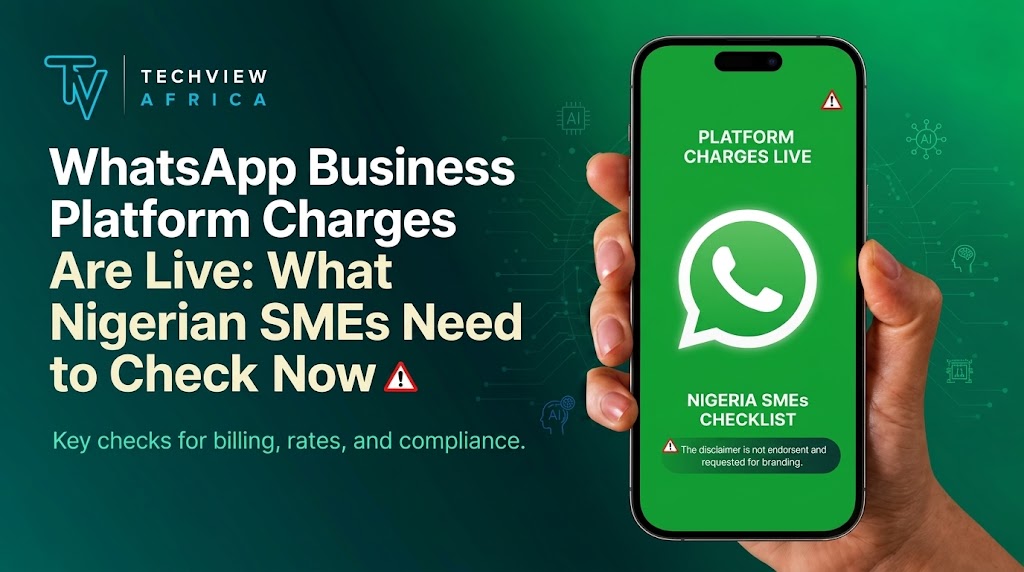
WhatsApp Business Platform Charges Are Live: What Nigerian SMEs Need to Check Now

Which App Shrinks Your Photos the Most? We Tested WhatsApp, Telegram and Instagram
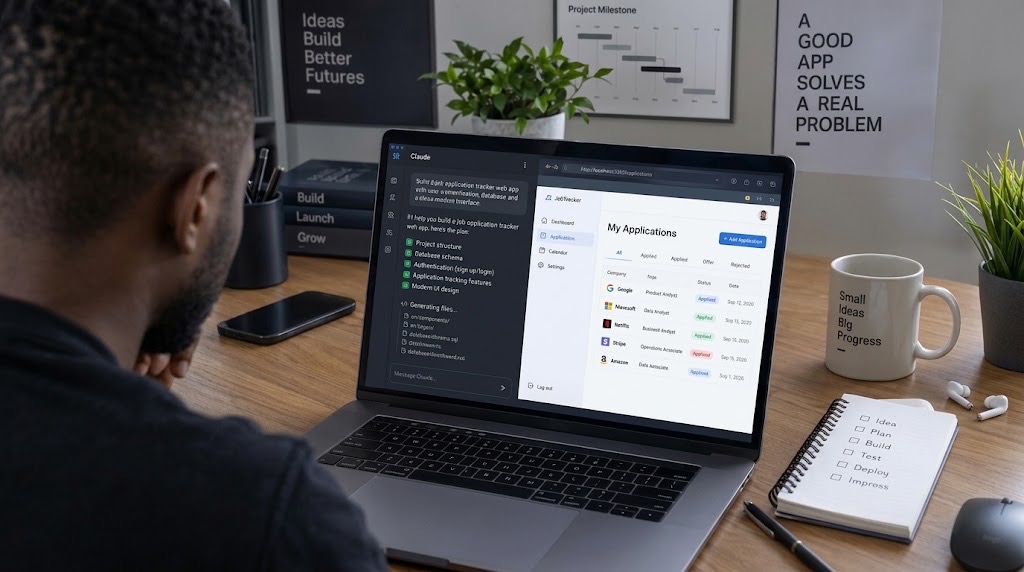
How to Build a Working App With AI Without Knowing How to Code
Lagos Court Draws a Line Between Contact Access and Consent in Truecaller Case

Why WhatsApp and Instagram Can Make a Great Phone Camera Look Bad

Truecaller Says a Call Is Spam or Fraud. How Much Should You Trust It?
Follow TechView Africa on WhatsApp
Get TechView Africa updates on WhatsApp. Follow our channel for practical technology news, product guides and digital trends from Nigeria and across Africa.
Leave a comment
Comments cannot be edited or deleted after posting. Please review your comment before submitting.
No comments yet. Start the conversation.