

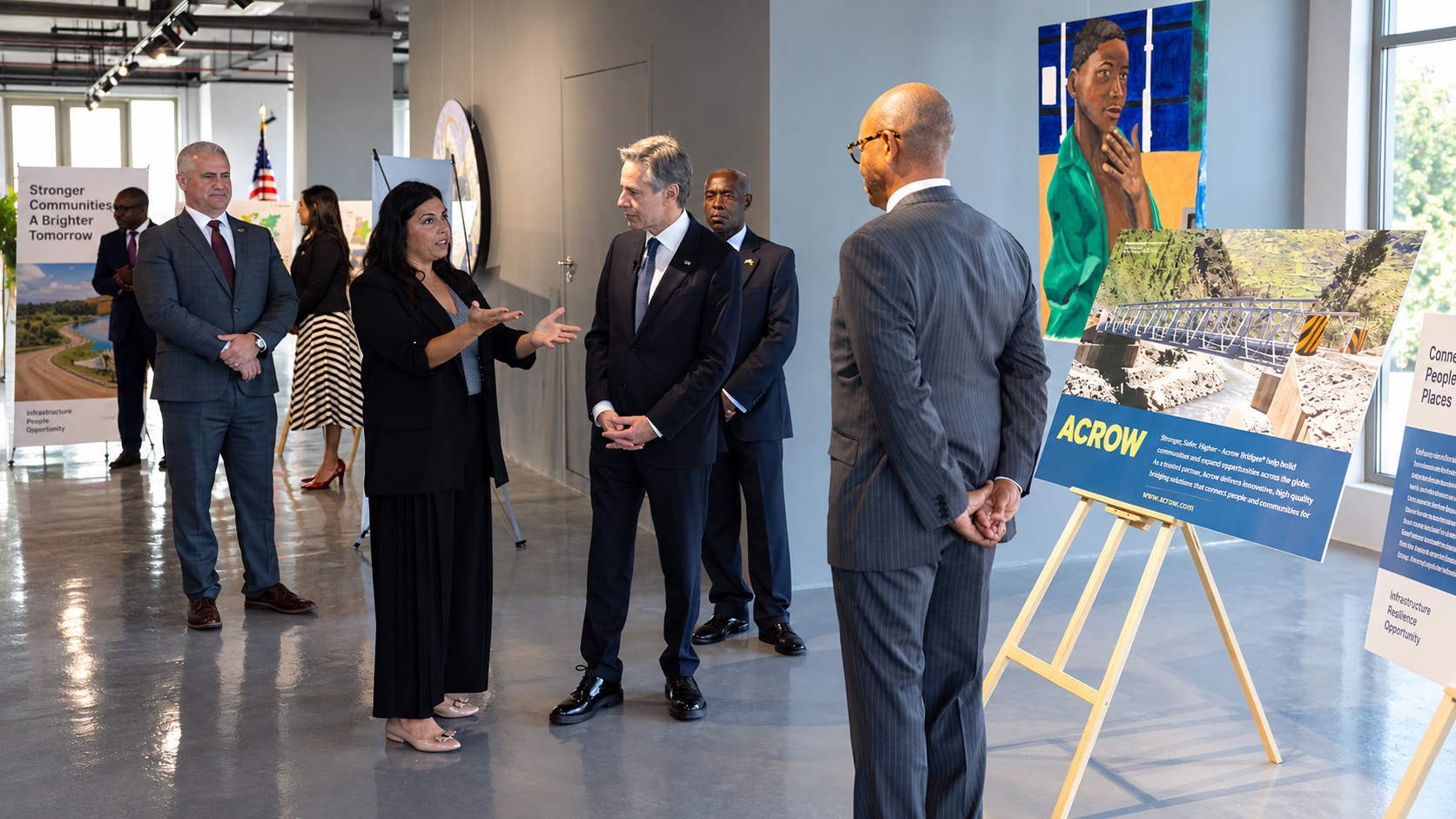
Africa needs more telecom investment, but the companies supplying its networks can influence costs, security, competition and how easily operators can change technology partners later.
Africell Secures $99.6 Million From The United States
A $99.6 million U.S. loan will help Africell expand its network in Angola using American and European technology. The financing also highlights a wider contest over who supplies the infrastructure powering Africa’s digital economy.
The U.S. Export-Import Bank is lending Africell $99.6 million to invest in mobile-network technology in Angola. Beyond expanding one operator, the deal reflects Washington’s effort to increase the use of American and allied telecom equipment in Africa, where Huawei already has a major infrastructure presence.
Africell has secured a $99.6 million direct loan from the Export-Import Bank of the United States to invest in telecommunications infrastructure in Angola. The financing will allow the U.S.-owned African mobile operator to buy newer American and European network technology. Africell says the investment should support broader coverage, stronger reliability and greater network resilience in Angola. Africell’s official EXIM loan announcement
But the deal is bigger than one operator upgrading its network. Reuters reports that the financing forms part of a wider U.S. effort to expand the use of American and allied telecommunications technology overseas while challenging the position of Chinese supplier Huawei in Africa. Reuters report on the Africell financing and Huawei competition. That raises a much larger question: who will supply the infrastructure underneath Africa’s increasingly digital economy?
Huawei Already Has a Strong Position
Huawei has spent years supplying equipment to telecom operators across Africa. Counterpoint Research estimates that Huawei controls about 52% of Africa’s 5G infrastructure market, according to Reuters. That gives the Chinese company a considerable position as operators expand newer mobile networks across the continent.
The U.S. has repeatedly raised national-security concerns about Huawei equipment and potential Chinese government access to communications infrastructure. Huawei denies allegations that its technology facilitates espionage, while China has accused Washington of politicising commercial competition.
For African countries, however, the practical issue is broader than choosing between Washington and Beijing. Telecom networks require substantial long-term investment in radio equipment, fibre, core-network systems, software, maintenance and technical expertise. Once an operator builds heavily around one supplier’s technology, replacing that infrastructure can become complicated and expensive. That means financing today can influence technology choices for years.
Why Angola Matters
Africell launched commercial services in Angola in April 2022 after entering as the country's fourth mobile operator. By July 2026, Africell said it had surpassed seven million customers in Angola and was preparing to extend its network into seven additional provinces. The company also operates in the Democratic Republic of Congo, Sierra Leone and The Gambia. Africell’s July 2026 Angola subscriber update The $99.6 million therefore supports an operator already competing at meaningful scale rather than an experimental new network.
And the need for additional capacity is growing. TechView Africa previously examined how rising mobile-data consumption is putting pressure on African networks, forcing operators to invest in 4G, 5G and additional infrastructure as consumers use more video, payments, work tools and digital services. That makes the question of who supplies network equipment increasingly important.
Telecom Infrastructure Is Becoming Bigger Than Mobile
The competition also extends beyond traditional calls and mobile data. Telecom operators are moving deeper into cloud computing, financial technology and AI infrastructure. TechView Africa has already examined how MTN is expanding beyond conventional telecoms into banking and AI-ready infrastructure, illustrating how communications networks are becoming connected to a much larger digital infrastructure ecosystem.
Who supplies those networks can therefore influence more than mobile coverage. It can affect the infrastructure supporting businesses, payments, cloud services and eventually more AI workloads.
Our Conclusion
Africell’s $99.6 million financing is good evidence that competition around Africa’s telecom infrastructure is becoming more strategic. More investment and more suppliers could benefit African markets. Operators need capital to increase capacity, extend coverage and keep millions of people and businesses connected.
But Africa’s best outcome is not simply replacing dependence on Chinese technology with dependence on American technology. Governments and operators should evaluate suppliers based on security, price, interoperability, financing conditions, maintenance costs, local technical skills and the ability to introduce competing technologies later.
The strongest position for African countries is one in which several suppliers compete, networks remain flexible and local engineers develop more of the expertise required to operate critical infrastructure.
The U.S.–China competition may help bring more money and technology into Africa. The greater opportunity is ensuring African markets retain meaningful choice over what gets built and who controls the systems their digital economies increasingly depend on.
Verification
Africell confirms the $99.6 million U.S. EXIM Bank loan for its Angola network
Reuters reports on the Africell financing and the wider U.S.–China telecom competition in Africa
Africell confirms it has surpassed seven million customers in Angola

Which Internet Network Is Fastest in Nigeria? What 200,000+ Speed Tests Reveal
Nigeria Licensed Dozens of New Mobile Networks — So Why Haven’t Most Consumers Seen Them?
What Nigeria’s 192 Million Phone Connections and 320,000 Fibre Subscriptions Reveal About Its Broadband Gap
Why Does Your Mobile Data Finish So Fast
MTN Expands Beyond Telecoms Into Banking and AI Infrastructure
Africa’s Data Use Is Surging - What That Means for Networks, Prices and Consumers
Airtel’s 5G Push Is Accelerating in Nigeria: Will Your Current Phone Actually Benefit
Follow TechView Africa on WhatsApp
Get TechView Africa updates on WhatsApp. Follow our channel for practical technology news, product guides and digital trends from Nigeria and across Africa.
Leave a comment
Comments cannot be edited or deleted after posting. Please review your comment before submitting.
No comments yet. Start the conversation.