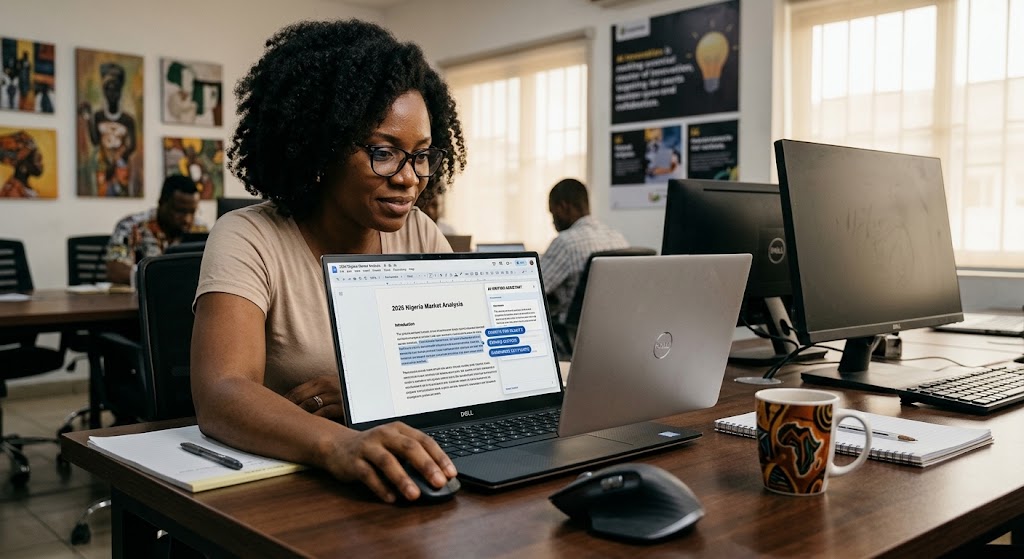
AI-detector scores can raise questions, but they should not be treated as proof that someone used AI. Human review and evidence of the writing process still matter.
AI-writing detectors promise to identify text produced by ChatGPT and similar tools. But false positives, changing AI models and disagreements over how much evidence a detector score really provides are making that promise increasingly difficult to trust.
Schools and employers should not treat an AI-detector score as conclusive evidence that someone used generative AI. That does not mean every detector is useless. They can sometimes identify patterns consistent with AI-generated writing and provide a reason to look more closely. But even Turnitin, one of the best-known providers of academic integrity software, says its AI Writing Report may misidentify human and AI-generated text and should not be the sole basis for adverse action against a student.
Some universities have gone further. The University of Cape Town stopped using Turnitin’s AI Score from October 2025 after concluding that AI-detection tools could produce false positives and false negatives and potentially undermine academic fairness. That distinction matters because an incorrect detector result is not simply a technical error when somebody's grade, reputation or job is involved.
An AI detector does not actually watch you write
AI detectors are fundamentally different from traditional plagiarism checkers. A plagiarism system can find text that resembles material already published elsewhere and show the source. An AI detector generally cannot point to a hidden ChatGPT conversation and prove that a paragraph came from it, instead, it analyses characteristics of the submitted writing and estimates whether those patterns resemble text generated by a language model.
That creates uncertainty, turnitin explicitly describes its score as an indication of text its model determines could be AI-generated, rather than a definitive authorship finding. OpenAI encountered the same problem with its own detector. The company withdrew its AI text classifier in 2023 because of its low accuracy rate. In OpenAI's published evaluation, it correctly identified only 26% of AI-written text in its challenge set while incorrectly labelling 9% of human-written text as likely AI-generated.
Detection technology has improved since then, but the underlying question remains difficult: How do you prove who wrote a sentence when AI systems are deliberately trained to produce human-like language?
Human writers can look like AI to a machine
False positives are particularly important because some perfectly ordinary writing styles can appear statistically predictable. Academic writing often follows established structures. Business writing can be formal and repetitive. Technical reports may use standard terminology. Someone carefully correcting their grammar may produce clean, consistent sentences.
None of those things proves AI involvement. Turnitin itself stopped displaying precise AI scores below 20% because it found a higher incidence of false positives in that range.
There are also fairness concerns. A widely discussed Stanford-led study on AI detectors and non-native English writers tested seven detectors on 91 TOEFL essays written by non-native English speakers. On average, the detectors incorrectly classified more than half of those essays as AI-generated. The study was not conducted on African students, so its exact figures should not simply be transferred to Africa. But its findings are particularly relevant to institutions operating in multilingual environments, where many students and workers may use English as a second or additional language.
UCT decided the risk was significant enough to stop
Africa already has a real example of an institution reconsidering detector use. In 2025, the University of Cape Town announced that it would discontinue Turnitin's AI Score. UCT said AI detection tools were widely considered unreliable and could produce both false positives and false negatives. It warned that continued reliance on those scores could affect student trust and academic fairness. That does not mean UCT decided unrestricted AI use in assessments was acceptable. It means detecting misconduct and proving misconduct are different things. Instead of expecting software to provide certainty, schools can examine drafts, citations, previous writing, assignment-specific knowledge and a student's ability to explain how the work was produced.
The University of Melbourne takes a similar approach. Its academic-integrity guidance says a high detector score alone is insufficient grounds for an academic-misconduct allegation and requires additional evidence.
Employers should be just as careful
The same problem extends beyond schools. Imagine a company running a candidate's writing test, report or cover letter through an online detector and rejecting the person because the tool reports “95% AI.” That percentage can look scientific but it does not necessarily mean there is a 95% probability that AI wrote the document.
The US Federal Trade Commission has already acted over exaggerated detector-accuracy claims. In 2025, the FTC approved a final order against Workado, after challenging claims that its AI detector was 98% accurate across different types of content. According to the FTC's complaint, independent testing found approximately 53% accuracy on general-purpose content. That example should make employers cautious about assuming that a confident-looking percentage represents certainty.If AI use violates a workplace policy, organisations still need a fair process for establishing what happened.
AI-assisted writing makes the boundary even messier
There is another complication. What counts as “AI-written”? One employee may ask an AI tool to create an entire report. Another may write every sentence personally and use an AI-powered grammar tool to improve clarity. A student might use AI to brainstorm topics but write the assignment independently. Depending on the institution's rules, those situations can be very different.
Yet a detector analyses the finished text. It does not necessarily know the process that produced it. Recent research continues to highlight that limitation. A 2026 preprint examining AI detection in academic-integrity settings found that some AI-assisted editing could trigger detectors while modified AI-generated writing could evade them.
Because that research is a preprint rather than a final peer-reviewed consensus, its figures should be interpreted cautiously. Its broader concern, however, matches warnings already made by institutions and detector providers: detection scores cannot reconstruct a writer's full workflow.
What should schools and employers do instead?
The answer is not to ignore possible AI misuse. It is to investigate it properly. Schools can ask students to retain notes, outlines and drafts. Assessments can include presentations, discussions or supervised components where appropriate. Teachers can compare disputed work with previous submissions and ask students to explain their argument and sources.
Employers can establish clear rules about where AI assistance is acceptable and focus on whether workers can explain, verify and take responsibility for what they submit. Most importantly, people should know those rules before they are accused of breaking them. A detector can be one signal. It should not become judge, jury and evidence at the same time.
Our Recommendation
Schools and employers have legitimate reasons to care about undisclosed AI-generated work. But a legitimate concern does not make an unreliable shortcut fair.
Even major detector providers acknowledge false positives, respected universities have restricted their use, and research has repeatedly shown that certain human writing can be misclassified.
The sensible approach is therefore straightforward: use detector results to ask questions, not to declare guilt. When the consequences could include failing an assignment, disciplinary action or losing a job opportunity, a percentage generated by software should never substitute for evidence, context and a fair chance for the writer to explain how the work was created.
Sources & Verification
Turnitin — Using the AI Writing Report
OpenAI — AI Text Classifier and Its Limitations
Stanford HAI — AI Detectors and Non-Native English Writers
University of Cape Town — AI in Education Framework
University of Melbourne — Turnitin AI Writing Detection Guidance
US Federal Trade Commission — Final Workado AI Detector Order
2026 Preprint — Why AI Detection Fails for Academic Integrity
Frequently asked questions
Can AI detectors identify ChatGPT writing accurately?
They can sometimes identify text that resembles AI-generated writing, but no detector can guarantee perfect accuracy. False positives and false negatives remain possible.
Can human writing be flagged as AI-generated?
Yes. Turnitin acknowledges that its system can misidentify human-written text, and independent research has documented false positives across other detectors.
Does a 90% AI score mean there is a 90% chance AI wrote the text?
Not necessarily. Detector percentages depend on how the individual tool defines and calculates its score. They should be interpreted according to the provider's documentation rather than as a universal probability of guilt.
Are AI detectors unfair to people who speak English as a second language?
Research has identified this as a concern. A Stanford-led study found high false-positive rates among the non-native English essays it tested. The study was not Africa-specific, so its exact results should not automatically be generalised to African writers.
Does Turnitin say teachers should trust its AI score completely?
No. Turnitin explicitly says its AI-writing model may make mistakes and should not be used as the sole basis for adverse action against a student.
What can someone do if their human-written work is flagged?
Where a school or employer provides an appeal process, useful supporting evidence can include drafts, notes, document revision history, research materials and the ability to explain how the work was developed.
50 Remote AI Jobs and Expert Projects Open Across Micro1, Mercor, Outlier and Handshake AI
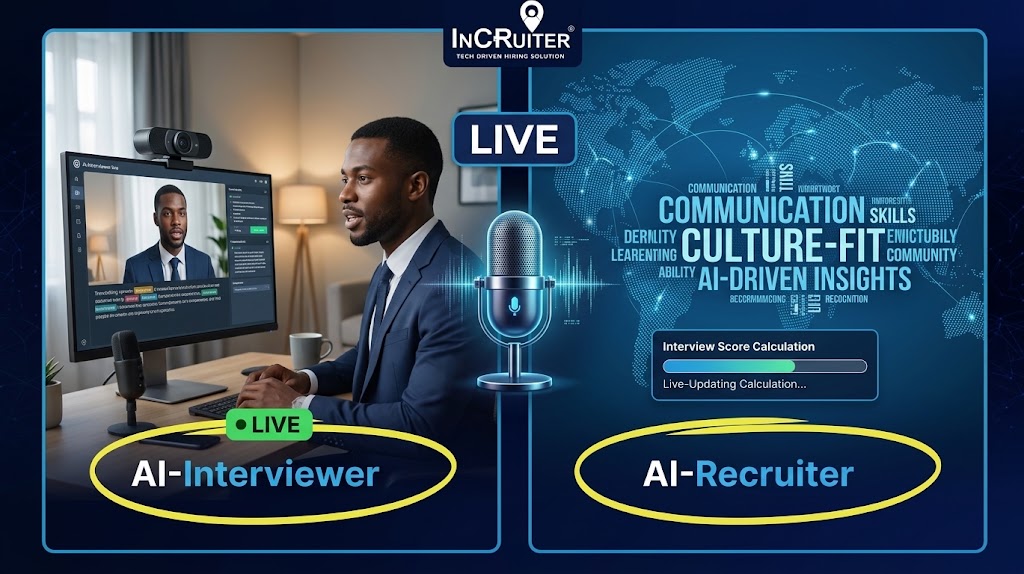
Recruiters Are Using AI Interviews, What Job Applicants Should Expect
From Idea to Clickable Prototype: How to Test a Product With AI Before You Build It
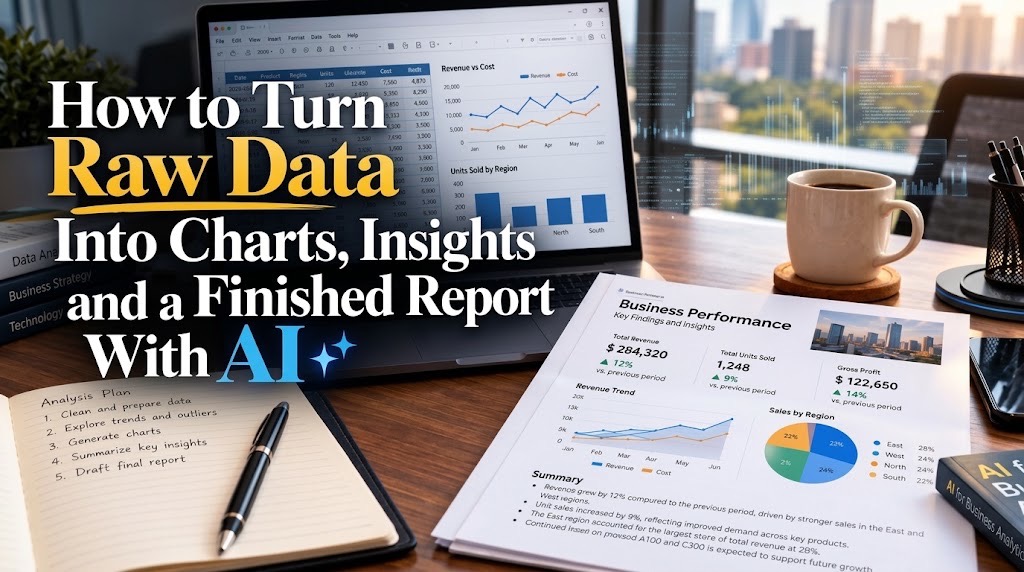
How to Turn Raw Data Into Charts, Insights and a Finished Report With AI
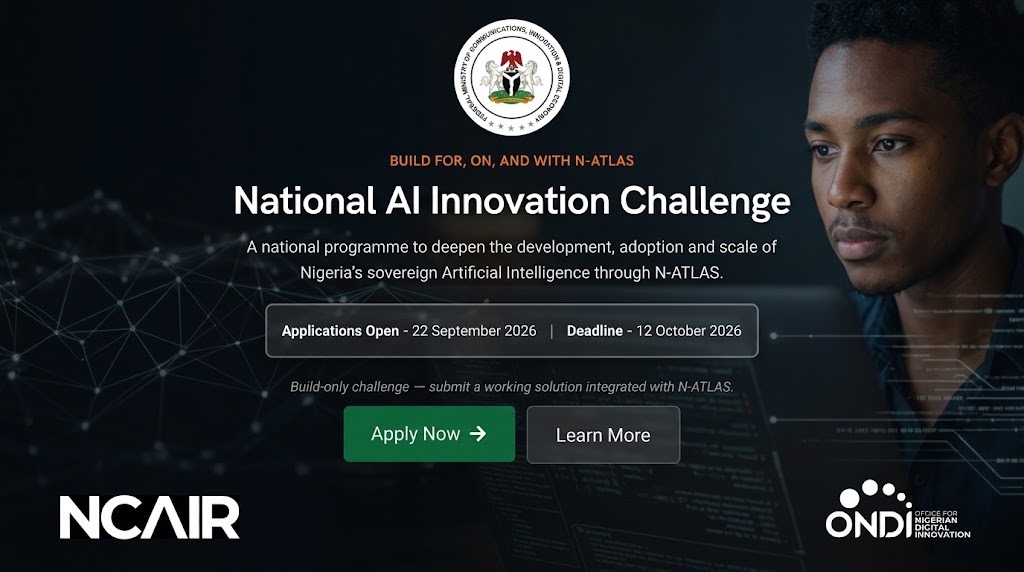
How to Apply for Nigeria’s National AI Innovation Challenge 2026
Data Analysis, Cybersecurity or Cloud: Which Has the Friendliest Entry Point for Beginners
Google Is Giving Nigerian Students Google AI Plus Free for One Year: Here’s How to Claim It
Follow TechView Africa on WhatsApp
Get TechView Africa updates on WhatsApp. Follow our channel for practical technology news, product guides and digital trends from Nigeria and across Africa.
Leave a comment
Comments cannot be edited or deleted after posting. Please review your comment before submitting.
No comments yet. Start the conversation.