

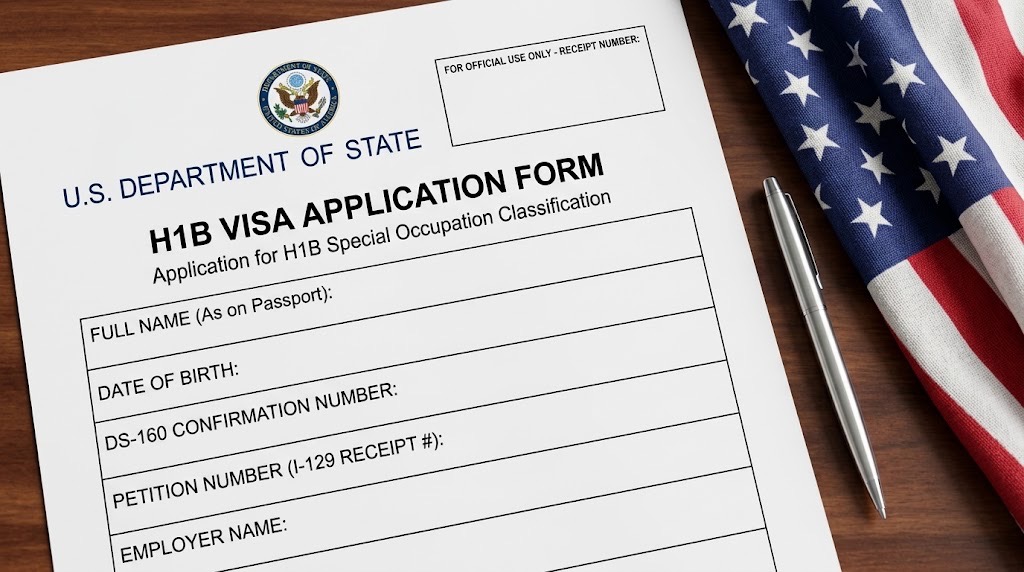
The biggest distinction is where the worker is located and how the H-1B petition is structured. A new overseas hire faces a different situation from an existing H-1B holder, a student changing status inside the U.S. or a Nigerian employee remaining in Nigeria.
U.S. Extends $100,000 H-1B Restriction. What Changes for Nigerian Tech Workers Abroad
The United States has extended its $100,000 H-1B entry restriction through September 2027, but the payment remains blocked in court. For Nigerian tech workers, the impact depends heavily on whether they are applying from Nigeria, already in the U.S. or working remotely.
The United States has extended for another year a policy requiring a $100,000 payment for certain H-1B petitions involving workers outside the country, keeping the restriction in place until September 21, 2027. The September 18 proclamation says employers sponsoring covered workers abroad must document the payment, subject to limited national-interest exceptions.
But the headline number needs an important qualification: the $100,000 payment is currently blocked by the courts. A federal court set aside the implementation of the fee, and the First Circuit in July declined the government's request to restore it while the appeal continues. The White House has nevertheless extended the underlying proclamation, leaving the policy active while its payment mechanism remains under litigation.
For Nigerian technology workers, that means the practical effect depends on where the worker is and how the H-1B petition is structured.
A new hire applying from Nigeria faces the clearest exposure
A Nigerian software engineer recruited in Lagos for a job requiring relocation to the United States fits most closely within the group targeted by the proclamation: workers outside the U.S. who need admission to take up H-1B employment.
If the $100,000 requirement ultimately becomes enforceable again, this is the type of overseas recruitment in which an employer could face the additional payment. The proclamation also permits specified national-interest exceptions.
Existing H-1B holders are not automatically new $100,000 cases
The policy should not be read as a universal $100,000 charge on everyone who already holds H-1B status. Earlier implementation guidance distinguished existing visa holders and several in-country situations from new overseas petitions. Reuters similarly reported that existing holders and foreign graduates already inside the United States are treated differently from workers being newly recruited abroad.
A Nigerian student already in the U.S. is in a different position
A Nigerian student moving from F-1 status to H-1B through an approved change of status inside the United States is not the same case as an engineer being sponsored directly from Nigeria. Government guidance has distinguished approved in-country changes of status, amendments and extensions from petitions requiring a worker abroad to seek admission into the United States.
Remote work from Nigeria does not itself require H-1B status
A Nigerian working from Lagos for an American technology company does not need an H-1B merely because the employer is based in the United States.
The H-1B issue becomes relevant when the employment requires the person to work physically in the U.S. That distinction matters as more Nigerians pursue international employment without relocation. TechView Africa previously found that some remote AI jobs explicitly accept African applicants, while our review of 500 African technology vacancies showed that remote work is still far from universal.
H-1B applicants also face expanded online vetting
The $100,000 dispute is only one part of the current process. The U.S. State Department requires H-1B applicants and H-4 dependants to undergo expanded online-presence review and instructs applicants to make social-media profiles public or open for screening.
For Nigerian applicants, the practical picture is therefore more complicated than a single new visa fee: the payment remains legally contested, different immigration situations receive different treatment, and consular applicants face broader screening requirements.
Our Recommendation
Nigerian workers and U.S. employers should first establish whether a case involves new overseas sponsorship, an existing H-1B, an in-country change of status or remote employment from Nigeria before treating the $100,000 figure as an applicable cost. Because litigation remains active, verify the latest USCIS and court position before filing.
Sources & Verification
White House — September 2026 H-1B Proclamation
Federal Register — Proclamation 11069
First Circuit — California v. Mullin, July 24, 2026
Frequently asked questions
Does every H-1B applicant now have to pay $100,000?
No. The proclamation targets certain H-1B petitions involving workers outside the United States, particularly cases requiring entry into the U.S. It also provides for limited national-interest exceptions. The White House
Is the $100,000 payment currently being enforced?
The payment policy remains tied up in litigation. A federal district court vacated the implementation policy, and the First Circuit later declined to stay that decision while the appeal continues. Justia Law
Does the rule affect Nigerian students already in the United States?
Not in the same way as a new worker being recruited directly from Nigeria. In-country changes of status have been treated differently from overseas petitions requiring admission into the United States.
Does a Nigerian working remotely for a U.S. company need an H-1B visa?
Not simply because the employer is American. H-1B status concerns employment performed in the United States. A person working from Nigeria is in a different immigration situation unless the job later requires relocation.
Are H-1B applicants also subject to social-media screening?
Yes. The U.S. State Department says H-1B and H-4 applicants are subject to expanded online-presence review and are instructed to make their social-media profiles public or open for vetting.
Nigeria Wants Banks and Telcos to Ask Before Checking Your NIN
Lagos Court Draws a Line Between Contact Access and Consent in Truecaller Case
Nigeria Is Going ‘Cloud First’: Can Its Infrastructure Keep Up
Apple TV Arrives in Nigeria Through a ₦1,300 iCloud+ Bundle

Want to Buy Dangote Refinery Shares at ₦525? Here’s Where and How
Dangote Refinery IPO Gets SEC Approval at ₦525 Per Share
Nvidia Already Dominates AI Chips. Now It’s Buying Hugging Face for $12.9 Billion
Follow TechView Africa on WhatsApp
Get TechView Africa updates on WhatsApp. Follow our channel for practical technology news, product guides and digital trends from Nigeria and across Africa.
Leave a comment
Comments cannot be edited or deleted after posting. Please review your comment before submitting.
No comments yet. Start the conversation.