

Passkeys vs Passwords: What Actually Makes Passkeys Safer
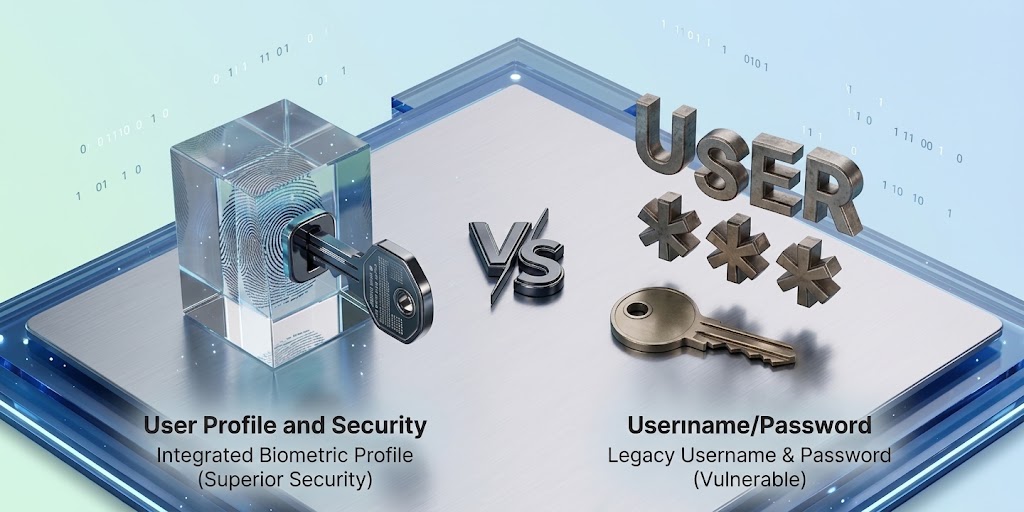
Passkeys replace typed passwords with cryptographic credentials stored on your devices, making common attacks such as phishing and credential stuffing considerably harder.

Get the TechView Africa brief or join our WhatsApp Channel for free today.
Careful, verified guidance for protecting accounts, privacy and money from digital threats.
Published articles, explainers and updates from this section.

Passkeys replace typed passwords with cryptographic credentials stored on your devices, making common attacks such as phishing and credential stuffing considerably harder.


Scammers can use AI to imitate familiar voices and make fake emergencies sound real. A simple independent verification step can prevent an emotional phone call from becoming an expensive mistake.

You do not need to become a hacker to build a cybersecurity career. Some of the field’s most important jobs focus on risk, identity, monitoring, vulnerabilities and communication and several can align surprisingly well with skills beginners already have.

Suddenly losing mobile service may be more serious than a network problem. SIM-swap fraud can redirect calls and security codes to another SIM while your original phone remains with you.

Fake recruiters are using convincing job offers to steal money and personal information. Here are seven warning signs every job seeker should recognise before trusting an offer.

WhatsApp is adding warnings designed to detect suspicious device-linking attempts—a scam tactic that can give criminals access to your account without physically stealing your phone. Here's how it works and how to protect yourself.