

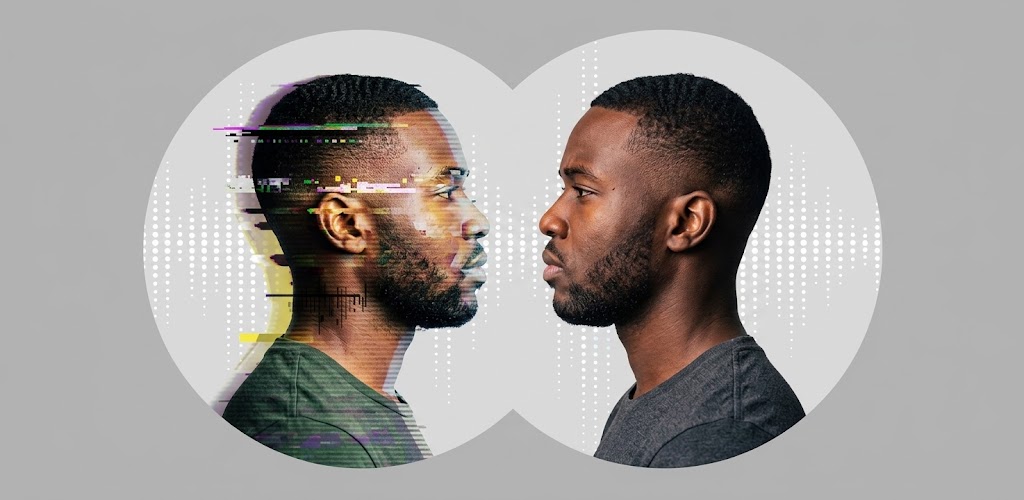
A familiar voice is no longer enough to prove identity. If an emergency call asks for money or sensitive information, end the call and independently contact the person using details you already trust.
The voice on the phone may sound exactly like someone you know. That no longer proves they are the person calling. AI voice cloning is making old emergency scams more convincing, which means verification has to happen before money or sensitive information changes hands.
If someone who sounds like a relative, friend, colleague or boss calls with an emergency, do not use the sound of their voice as proof of identity. The US Federal Trade Commission warns that scammers can use a short audio clip and voice-cloning technology to imitate someone you know. The safest response is straightforward: Stop. End the call. Contact the person independently using a phone number or communication channel you already know belongs to them. Do not call a new number supplied by the caller, that extra minute of verification matters because AI is making impersonation considerably more convincing.
The old emergency scam has gained a new tool
Emergency scams existed long before generative AI. A fraudster might claim that someone's child has been arrested, a relative has been injured while travelling or a colleague urgently needs money transferred. The scam works by creating panic, AI voice cloning does not change that basic strategy, it changes how believable the person delivering the story can sound.
The FTC's guidance on family emergency scams warns that scammers may combine voice cloning with information gathered from social media or compromised accounts. That combination can be powerful, a caller may know a relative's name, where they study or work, who their friends are and other details that make the story feel personal, none of those details proves the emergency is real.
This matters increasingly in Africa too
Deepfake fraud is not only a problem for users in Europe or North America. INTERPOL's African Cyberthreat Assessment 2026 found that AI was enabling 55% of reported cybercrimes across surveyed African countries, helping criminals make attacks faster, more scalable and harder to detect. That figure covers many AI-enabled threats rather than voice cloning specifically, but it shows why synthetic media deserves attention as Africa becomes more digitally connected.
Nigeria's Central Bank fraud-awareness guidance already warns about social-engineering scams in which criminals impersonate authority figures, colleagues or relatives and exploit fear or trust to obtain confidential information or money. AI can make that familiar technique much more persuasive.
The biggest warning sign may be urgency
Scammers do not want verification, they want action. A supposed relative might insist there is no time to call anyone else. A caller posing as a boss may demand an immediate transfer. Someone claiming to represent a bank might say an account will be emptied unless you cooperate within minutes.
Nigeria's Electronic Fraud Forum safety guidance specifically warns that requests demanding immediate action because of an emergency can indicate a scam. The FTC identifies the same pattern. Pressure and secrecy are especially suspicious when they appear together. Statements such as: “Don't tell anyone.” “Send it now.” “I can't explain until later.” should make you verify the situation rather than act faster.
Hang up and create a second communication path
One of the strongest protections is also one of the simplest. Do not continue trying to determine whether the voice sounds genuine. End the conversation, then contact the supposed caller yourself.
The FBI's current guidance on AI impersonation recommends independently identifying trusted contact information and using it to verify the person's identity, If the caller claims to be your sister, call the number already saved for your sister, If the request supposedly comes from your manager, contact them through the company's normal communication system, If someone claims to represent your bank, use the number on the bank's official website, banking app or your card rather than a number provided during the suspicious call. The key word is independently.
A family verification question can help, but do not rely on it alone
Families can also agree on information or a simple verification phrase for unexpected emergencies, the FTC recommends asking questions that the real person should know. But this should not replace independent contact. Some personal information is easier to discover online than people realise. Birthdays, schools, workplaces, relatives and travel details may already appear on social media.
A stronger approach is to combine checks. Ask a question, end the call and verify through another trusted channel. The more important the request, the stronger the verification should be.
Never give away security codes during the panic
Not every voice-cloning scam immediately asks for money. Some attackers may try to obtain:
- account information;
- passwords;
- one-time verification codes;
- banking details;
- personal identity information.
Nigeria's ngCERT phishing advisory warns that deceptive calls and messages can be used to steal personally identifiable information and bank-account details. A convincing voice does not make those requests legitimate. Do not read out an OTP, password or other authentication credential simply because the caller appears to know you.
Do not trust caller ID either
Seeing a familiar name or number on the screen can make a suspicious call feel authentic. It should still be independently verified. Phone number information can be manipulated, accounts can be compromised and criminals may contact victims through unfamiliar numbers while explaining away the change.
The FBI therefore recommends checking the originating contact information rather than assuming it proves identity. A familiar voice plus a convincing story plus apparent contact information can feel like overwhelming evidence. That is exactly why the verification process needs to happen outside the incoming conversation.
If money has already been sent, act quickly
Realising later that a call was fraudulent can be distressing, but delaying further does not help. Contact the bank, payment provider or financial institution used for the transaction immediately and explain that fraud is suspected. The CBN's fraud and scam guidance advises victims whose banking information or funds may have been compromised to contact their financial institution promptly.
Secure any affected accounts as well, if passwords or other credentials were disclosed, change them and enable stronger authentication where available. The incident should also be reported through appropriate law-enforcement or fraud-reporting channels.
Our Recommendation
Deepfake voice scams change an assumption most people have relied on throughout their lives: recognising someone's voice used to feel like recognising the person. That is becoming less reliable. The answer is not to become suspicious of every unexpected phone call. It is to create one simple habit: when an unexpected call combines urgency with money, sensitive information or secrecy, verify it somewhere else before acting.
Call the person back on the number you already know. Contact another relative. Use your bank's official channel. Give yourself enough time to check the story. AI may make a fraudulent voice sound convincing. It cannot stop you from hanging up and verifying the person independently.
Verification Links
Sources & Verification
US Federal Trade Commission — AI and Family Emergency Scams
US Federal Trade Commission — Family Emergency Scams
INTERPOL — African Cyberthreat Assessment 2026
Central Bank of Nigeria — Fraud and Scam Awareness
Nigeria Electronic Fraud Forum — Safety Tips
FBI — AI-Enabled Impersonation Guidance
Nigeria Computer Emergency Response Team — Phishing Advisory
Frequently asked questions
What is a deepfake voice scam?
It is an impersonation scam in which synthetic or cloned audio is used to make a caller or recording sound like another person, potentially including a relative, colleague, executive or other trusted individual.
Can scammers really copy someone's voice?
Voice-cloning systems can create convincing synthetic speech using samples of a person's voice. The FTC warns that scammers may obtain suitable audio from content posted online.
How can I tell whether a voice is AI-generated?
Do not depend on detecting unusual pronunciation, delays or robotic sounds. Modern synthetic voices can be convincing. Independent identity verification is safer than trying to identify AI by listening alone.
What should I do if a relative calls asking for emergency money?
Do not send money immediately. End the call and contact the relative using a number you already know. If you cannot reach them, contact another trusted person who can verify the situation.
Can a secret family question stop voice scams?
It can provide another layer of verification, particularly when the answer is not publicly available. However, it should complement rather than replace independent contact through a trusted number or channel.
What should I do if I already sent money?
Contact the bank or payment provider immediately, explain that the transaction may be fraudulent and ask what recovery or account-protection steps are available. Secure any compromised accounts and report the suspected fraud to the appropriate authorities.

We Analysed 200 Scam Messages Sent to Nigerians: Here’s How Fraudsters Try to Make People Act
Buying on Facebook Marketplace in Nigeria? 9 Checks Before You Meet or Pay a Seller
That Remote Job Offer Could Be an Identity Harvesting Scam

That Customer Care Account in Your DMs May Be Fake: Here’s How to Check
Your Email Appeared in a Data Breach: What Does That Actually Mean

Google Search Can Lead You to Scam Phone Numbers: Why You Should Verify Support Lines
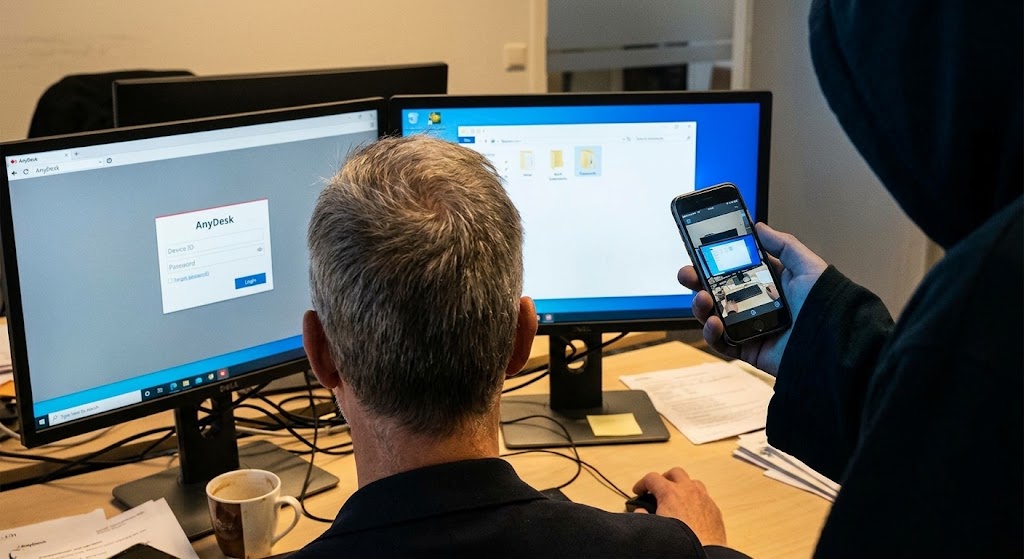
Why Scammers Want You to Install Screen-Sharing or Remote-Access Apps
Follow TechView Africa on WhatsApp
Get TechView Africa updates on WhatsApp. Follow our channel for practical technology news, product guides and digital trends from Nigeria and across Africa.
Leave a comment
Comments cannot be edited or deleted after posting. Please review your comment before submitting.
No comments yet. Start the conversation.