


Check the location rule on the individual vacancy before applying. “Remote” describes where you work, not necessarily where an employer is willing to hire.
Remote Jobs Open Across AI, Tech, Law, Data and Finance
*From AI training and Linux security to legal work, finance and cloud engineering, we checked current remote vacancies across several employers and platforms. The opportunities are real, but “remote” still does not always mean worldwide. *
More than 20 current opportunities we verified span AI, software engineering, cybersecurity, cloud, data, legal work, finance and operations. Some are explicitly global; others restrict applicants by region or country.
Remote hiring is not one market. A lawyer reviewing contracts for an AI project, a security engineer protecting Ubuntu infrastructure and a payroll manager covering Sub-Saharan Africa can all work remotely, yet each vacancy can have completely different rules on location, experience and compensation.
TechView Africa checked current listings on Micro1, Canonical, Remote and Outlier on 18 September. We prioritised roles that were still live, clearly remote and relevant to professional digital work. This follows our earlier investigation into why a job saying “remote” does not automatically mean Africans can apply.
22 remote opportunities currently worth checking
| Role | Employer | Advertised pay | Location eligibility |
|---|---|---|---|
| ML Engineer | Micro1 | $80-$150/hr | Global |
| Sr. Full-Stack Software Engineer | Micro1 | $50-$100/hr | Global |
| Open Source Contributor | Micro1 | $100-$150/hr | Global |
| STEM Expert | Micro1 | $80-$150/hr | Global |
| CAD Expert | Micro1 | $80-$150/hr | Worldwide |
| Mechanical Engineering Expert | Micro1 | $80-$150/hr | Global |
| Contract Attorney | Micro1 | $80-$130/hr | Remote; project rules apply |
| Corporate Finance Expert | Micro1 | $50-$100/hr | Remote; project rules apply |
| Data Scientist | Micro1 | $245-$280/hr | English-speaking countries |
| Cloud Field Engineer | Canonical | Not stated | Worldwide |
| Cloud Sustaining Software Engineer | Canonical | Not stated | Worldwide |
| Python/Kubernetes Engineer - Data & AI/ML | Canonical | Not stated | Worldwide |
| Python & Kubernetes Software Engineer | Canonical | Not stated | Worldwide |
| Staff Security Operations Engineer | Canonical | Not stated | Worldwide |
| Engineering Manager - Ubuntu Security | Canonical | Not stated | Worldwide |
| Community Engineer | Canonical | Not stated | Worldwide |
| Group Financial Controller | Canonical | Not stated | EMEA |
| Manager, Payroll Operations | Remote | Not stated | Sub-Saharan Africa |
| Payroll Client Services Coordinator | Remote | Not stated | EMEA |
| Senior Employee Relations Specialist | Remote | Not stated | EMEA |
| ML/AI Expert | Outlier | Up to $150/hr | Global |
| Design Expert | Outlier | Up to $320/task | Global |
The mix is revealing. AI-training platforms are paying specialists for existing expertise, while conventional technology employers continue recruiting for cloud, Linux, Kubernetes, cybersecurity and data infrastructure.
That reinforces another pattern TechView Africa found when we analysed 100 African technology vacancies for AWS, Azure and GCP skills: transferable infrastructure skills remain valuable even as AI-specific hiring expands.
Pay needs context
The highest hourly figures above should not be read as guaranteed earnings. Micro1 says certification does not guarantee immediate project placement, and project-specific eligibility still applies even though its broader expert programme recruits globally. Nigeria is not currently on Micro1's published exclusion list, while the Democratic Republic of Congo is.
Outlier similarly states that rates can vary according to expertise, project requirements, location and assessment results.
Our Recommendation
Start with eligibility before salary. A $150-an-hour vacancy is irrelevant if your country, qualifications or experience do not meet the project's rules.
Applicants should also apply through official employer pages, tailor their CV to the evidence requested in the vacancy and never invent experience simply to match keywords. For practical preparation, TechView Africa's guide to building a stronger profile for remote AI-training work explains how to present genuine domain expertise clearly.
Vacancies can close quickly, so verify that the application page still accepts submissions before investing significant time in an application.
Verification Links
Micro1 — Global expert opportunities and current eligibility policy
Canonical — Current remote and worldwide vacancies
Remote — Current company openings and geographic guidance
Frequently asked questions
Are these remote jobs open to applicants in Africa?
Some are explicitly global or worldwide, while others are limited to regions such as EMEA or specific countries. Always check the location requirements on the individual vacancy before applying.
Does “remote” mean I can apply from anywhere?
No. A role can be fully remote while still restricting applicants by country or region because of legal, payroll or project requirements.
Do I need previous AI experience for the AI-related roles?
Not always. Some employers are hiring people for existing expertise in software, law, finance, data, design or engineering rather than requiring previous AI-industry experience.
How much do these jobs pay?
Pay varies widely. Some specialist roles advertise hourly rates from about $50 to more than $200, while several employers do not publish compensation. Final pay can depend on experience, location and project requirements.

Can Nigerians Apply for Micro1 Jobs? What the Current Eligibility Rules Say

Micro1 Is Hiring Remote AI Experts: Opportunities Across Tech, Law, Finance and More
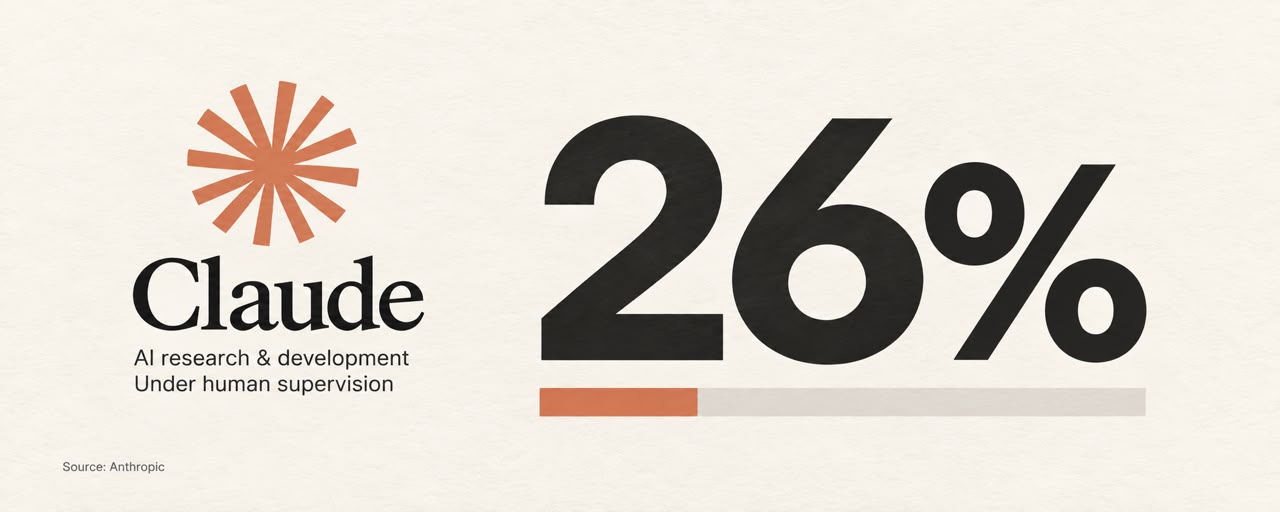
Claude Went From Leading Under 1% of Anthropic’s AI R&D to 26% in Six Months. Here’s What That Means

As AI Agents Gain More Control, Cybersecurity Rules Are Being Rewritten
What a 174MW Cape Town Data Centre Plan Reveals About Africa’s AI Infrastructure Challenge

We Checked 200 Remote AI Jobs: These Roles Explicitly Accept Applicants From Africa

We Analysed Software Engineering Jobs in Africa: These 7 Skills Still Matter Even When AI Can Write the Code
Follow TechView Africa on WhatsApp
Get TechView Africa updates on WhatsApp. Follow our channel for practical technology news, product guides and digital trends from Nigeria and across Africa.
Leave a comment
Comments cannot be edited or deleted after posting. Please review your comment before submitting.
No comments yet. Start the conversation.