

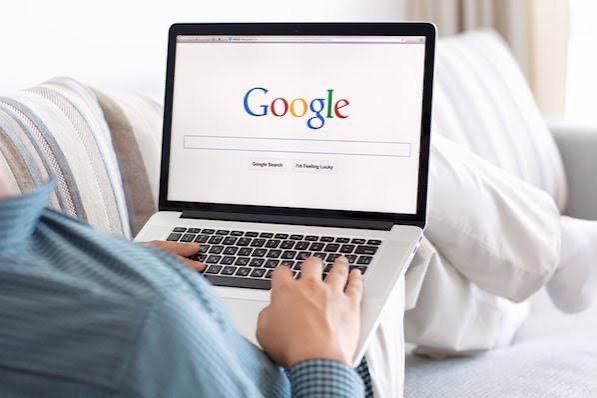
Do not assume a phone number is genuine simply because it appears prominently in Google Search. Find the organisation's official website or app first, then confirm its contact details there before calling.
Searching online for a bank, airline or customer-support number feels harmless, but scammers know people often do this when they are already worried about a payment, account or booking, which makes fake support numbers surprisingly effective.
A phone number appearing in Google Search should not automatically be treated as an official support line, particularly when the call could involve your money, account access or personal information.
The US Federal Trade Commission has warned about scams appearing in online search results, including paid listings that use the names of legitimate companies or government services while directing consumers towards fraudulent phone numbers or websites.
Google itself has also acknowledged the problem in a 2025 fraud and scams advisory, explaining that criminals continue to impersonate well-known brands and manipulate web content to display fake customer-support numbers. This does not mean Google Search is inherently unsafe, nor does it mean every support number found through Search is suspicious; the safer approach is simply to use Search to find the organisation, then verify its contact information from the organisation itself.
Why customer-support searches attract scammers
Someone searching for “bank customer care number”, “airline refund support” or “delivery company contact number” usually has a problem they want solved quickly, whether that is an unexpected debit, delayed transfer, missing parcel, locked account or cancelled booking. That urgency gives scammers an advantage because a result that appears to offer immediate help can receive more trust than it deserves.
The FTC says criminals sometimes use paid search results or websites designed to resemble legitimate organisations, placing their own phone number alongside familiar company names so that consumers unknowingly call the scammer instead. Tech-support scams use the same approach, with the FTC warning that fraudulent support websites can appear in online searches, hoping someone actively looking for assistance will initiate the contact. Once you make that call, what began as a search problem can quickly become a social-engineering scam.
The caller already knows what you were looking for
A fake customer-support agent can sound surprisingly convincing because the scammer already knows which company you intended to contact, allowing the conversation to begin as though you have reached the correct department.
The caller may then ask for account information, card details, passwords, one-time codes or even remote access to your phone or computer, often while creating additional urgency around a supposed security incident or transaction.
The Central Bank of Nigeria's fraud-awareness guidance warns that phishing scams can involve criminals impersonating banks and other service providers through calls and messages to obtain confidential information, while recommending that consumers verify the organisation directly before providing sensitive details.
Nigeria's ngCERT has issued similar warnings about deceptive communications that imitate reputable organisations to steal personally identifiable information and banking details. In other words, a scammer does not always need to hack your bank or your phone; sometimes getting you to call the wrong number is enough.
Sponsored does not automatically mean official
Another important distinction is the difference between an advertisement and an ordinary search result, because prominent placement can create an impression of legitimacy that is not always justified. The FTC warns consumers that some of the first results displayed may be paid advertisements, while Google's own advertising rules for phone numbers require numbers used in relevant ads to be active, connected to the advertised business and free from known fraudulent activity.
Google therefore does have safeguards designed to stop this abuse, although those protections do not remove the need for users to verify important contact information. Google's own advice for avoiding search scams recommends seeking customer-support information from official sources, particularly when a company does not publish the number being shown elsewhere.
Go to the organisation itself
If you need to contact your bank after a suspicious debit, instead of immediately dialling the first number displayed beside its name, open the bank's official mobile app, type its known website address directly, check an official statement or use contact information printed on your card where applicable.
The same principle works for airlines, telecom operators, delivery companies, online stores and technology businesses: Search can help you locate the company, but the company's own website or app should confirm the number. Check the actual domain as well as the logo, because a page can copy familiar colours and branding while using an unrelated or slightly altered web address, and be particularly cautious when a supposed support page immediately asks you to call, download remote-access software, reveal a verification code or make an urgent payment.
Google also offers About this result to provide additional context about websites appearing in Search, although that should supplement rather than replace checking an organisation's official channels.
What if you already called the wrong number?
If a supposed support representative begins requesting passwords, PINs, one-time codes, remote access or unusual payments, end the conversation and contact the organisation again using independently verified information.
Where sensitive information has already been disclosed, secure the affected accounts and change compromised passwords, while contacting your financial institution promptly if banking details or money may be at risk. The CBN recommends contacting your financial institution immediately when fraud is suspected, while Google provides tools for reporting phishing and problematic Search results.
Our Recommendation
Google Search remains extremely useful for locating businesses and support resources, but a search result should be treated as a route to verification rather than verification itself, particularly when the conversation could affect your money, account or personal information. The habit is simple: find the organisation, open its official website or app, confirm the phone number there, then make the call.
That extra check may feel inconvenient when a payment has failed or an account is locked, yet urgency is exactly what impersonation scams exploit, so spending another minute confirming a support number can be far cheaper than discovering later that the person who answered was never the company you intended to contact.
Sources & Verification
US Federal Trade Commission — Online Search Results: The Good, the Bad and the Scammy
Google — Fraud and Scams Advisory
US Federal Trade Commission — How to Spot and Avoid Tech Support Scams
Central Bank of Nigeria — Fraud and Scam Awareness
Nigeria Computer Emergency Response Team — Phishing Advisory
Google Ads — Unacceptable Phone Number Policy
Google — How to Spot Scams in Search
Google Search Help — Report Search and Phishing Problems
Central Bank of Nigeria — Nigerian Electronic Fraud Forum Safety Tips
Frequently asked questions
Can scam phone numbers really appear in Google Search?
Yes. Both the FTC and Google have warned about scammers attempting to place fraudulent customer-support information in search results or advertisements.
Does this mean Google does not verify phone numbers?
No. Google has policies requiring phone numbers used in certain advertising formats to be relevant, operational and connected to the advertised business, while numbers associated with fraud can be rejected. Scammers can still attempt to bypass platform protections through different techniques.
How should I find my bank's real customer-care number?
Prefer the bank's official mobile app, official website, information printed on your bank card where applicable or other documentation supplied directly by the institution.
Is the first Google result always the official company?
No. The first result may be an advertisement or another website rather than the organisation's official page, so check the domain and source before relying on the information displayed.
What information should I never give a supposed support agent?
Be extremely cautious about sharing passwords, PINs, one-time authentication codes or other security credentials. Legitimate organisations generally provide specific guidance on what their staff will and will not request.
What should I do if I gave information to a scammer?
End contact, secure the affected accounts and change compromised passwords. If financial information or money may be involved, contact your financial institution through an independently verified official channel as quickly as possible.
Your Email Appeared in a Data Breach: What Does That Actually Mean
SIM Swap Fraud: How Criminals Can Hijack Your Number Without Stealing Your Phone
Truecaller Says a Call Is Spam or Fraud. How Much Should You Trust It?
That Customer Care Account in Your DMs May Be Fake: Here’s How to Check

That Job Offer May Be a Scam, Watch Out For These Seven Signs People Ignore

WhatsApp Is Making Suspicious Account Linking Harder—Here’s Why It Matters

What Really Happens After You Tap “Delete Account”? We Checked 20 Popular Apps
Follow TechView Africa on WhatsApp
Get TechView Africa updates on WhatsApp. Follow our channel for practical technology news, product guides and digital trends from Nigeria and across Africa.
Leave a comment
Comments cannot be edited or deleted after posting. Please review your comment before submitting.
No comments yet. Start the conversation.