

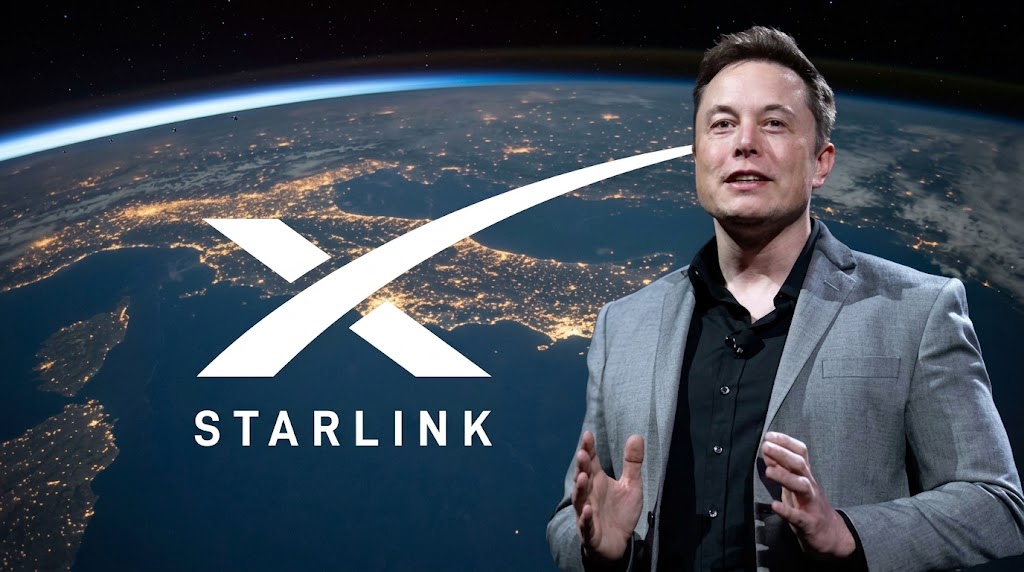
Starlink Mobile's potential lies in combining satellite coverage with terrestrial networks. Its impact in Africa will depend on national spectrum regulations, compatible phones, affordable services and partnerships with existing operators.
Starlink’s Push Into Mobile Connectivity: What It Could Mean for Africa’s Telecom Industry
SpaceX has agreed to acquire nationwide US 800 MHz spectrum licences from Grain Management. The deal could strengthen Starlink Mobile's satellite and terrestrial network ambitions, but it does not authorise services in Nigeria or establish an African launch.
SpaceX wants Starlink to serve more than households with satellite terminals. Its latest move involves American mobile frequencies, but it does not amount to a mobile launch in Nigeria or elsewhere in Africa.
On 8 October 2026, Grain Management announced an agreement to sell its nationwide US 800 MHz spectrum portfolio to SpaceX, subject to Federal Communications Commission approval and other conditions. Reuters reported an estimated $8 billion price, citing The Wall Street Journal; the companies did not disclose the financial terms.
The deal strengthens SpaceX's ambition to combine satellite-to-phone connections with coverage from infrastructure on the ground. What it means for African consumers is a separate question.
What exactly did SpaceX agree to buy?
Spectrum licences authorise the use of particular radio frequencies in a specified jurisdiction. The 800 MHz band is low-band spectrum: compared with many higher frequencies, it can cover larger areas from terrestrial sites and reach more effectively into buildings.
That matters because satellite connections face obstacles, particularly indoors. SpaceX hopes to combine its existing satellite capabilities with a terrestrial network rather than rely exclusively on signals coming from space. The new US licences could help with that American network.
They do not give SpaceX permission to use equivalent frequencies in Nigeria, Kenya or South Africa. Nor does owning the frequencies, by itself, supply towers, connections to the wider network, customer support or a commercial tariff.
How is Starlink Mobile different from regular Starlink?
The Starlink broadband service familiar to Nigerian customers uses a dedicated terminal. Direct-to-device technology instead aims to connect compatible handsets to satellites, subject to network and spectrum support.
In an area without cellular coverage, that could eventually mean basic communication without carrying a satellite dish. But messaging, calls and mobile data have different capacity demands. A service that handles texts in a coverage gap cannot automatically replace the speed and reliability of a busy urban 4G or 5G network.
The new 800 MHz acquisition is also about possible coverage from the ground. It should not be confused with an announcement that American frequencies will suddenly work from satellites across Africa.
What has Nigeria actually approved?
Nigeria's regulator has already begun studying the technology. In January 2026, the Nigerian Communications Commission invited comments on satellite direct-to-device connectivity, including its opportunities and risks.
Crucially, the NCC said the consultation was not a licensing decision, a spectrum allocation or a final regulatory framework. That makes the distinction between technological ambition and lawful commercial operation especially important.
Existing Starlink broadband services in Nigeria do not, on their own, establish that Starlink Mobile is authorised or available. Any eventual offering would need an appropriate Nigerian regulatory basis and workable commercial arrangements.
As TechView Africa explained in its report on Swift Telephone Network's Nigerian telecom licence, regulatory permission and a functioning service are different milestones.
Could Starlink challenge MTN and Airtel?
The immediate possibilities are more varied than a simple takeover. A satellite provider might partner with an established operator to fill coverage gaps, sell a specialised service or eventually compete for some subscribers.
Rural roads and communities without reliable towers offer a possible use case. Dense urban neighbourhoods are different: terrestrial networks can deploy substantial local capacity where thousands of phones need data simultaneously.
Price is another unknown. No Nigerian Starlink Mobile tariff has been established by this American acquisition, and satellite capacity, local rules and operating costs would shape any eventual offer.
TechView Africa's review of more than 200,000 Nigerian broadband speed tests also shows why measured performance matters more than assumptions about whether satellite or terrestrial technology must be faster. Those broadband results cannot predict a future direct-to-phone product.
What should African consumers watch for?
First, completion of the US transaction. Then, separately, announcements from African regulators and operators identifying actual markets, frequency arrangements, supported phones, services and prices.
Until those details exist, a claim that Starlink Mobile is about to replace African mobile networks goes beyond the available evidence.
Our Recommendation
Do not buy a new phone, change networks or pay for an unannounced Starlink Mobile subscription based on the US spectrum deal. Choose an existing provider by the coverage, reliability and price available at your location.
For network operators and policymakers, the development is worth watching as a potential way to extend coverage, not as proof of an imminent shake-up across Africa.
Sources & Verification
Grain Management — Official SpaceX Spectrum Agreement
Reuters — SpaceX Takes Aim at US Wireless Carriers
Reuters — Why Low-Band Spectrum Matters
NCC — Public Consultation on Satellite Direct-to-Device Connectivity
Frequently asked questions
Do I need a Starlink dish for satellite-to-phone service?
Direct-to-device systems are designed to connect supported phones without the dedicated terminal used for conventional Starlink broadband. Availability still depends on an approved service and compatible network arrangements.
Is Starlink Mobile available in Nigeria because of this deal?
No. The agreement concerns US spectrum and does not establish a Nigerian direct-to-device launch or permission to operate one.
Nigeria Has Licensed STN for Mobile and Fixed Telecom Services: What That Actually Means
Nigeria Licensed Dozens of New Mobile Networks — So Why Haven’t Most Consumers Seen Them?
Why Does Your Mobile Data Finish So Fast
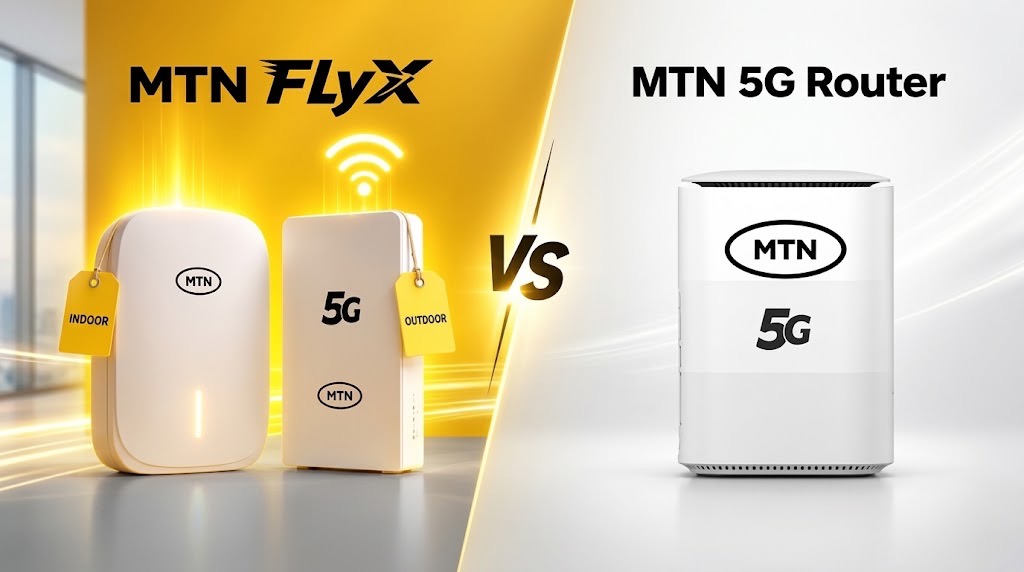
MTN FlyX vs 5G Router Unlimited: What “Unlimited” Really Means
Nigeria’s Project BRIDGE Could Give Chad a New Route to Global Connectivity

Africell Secures $99.6 Million as U.S.–China Telecom Competition Intensifies
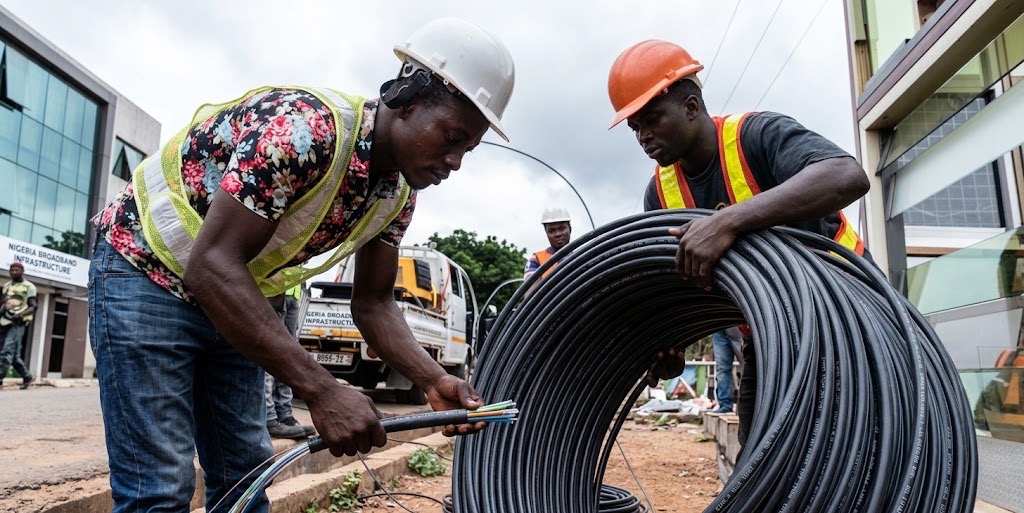
What Nigeria’s 192 Million Phone Connections and 320,000 Fibre Subscriptions Reveal About Its Broadband Gap
Follow TechView Africa on WhatsApp
Get TechView Africa updates on WhatsApp. Follow our channel for practical technology news, product guides and digital trends from Nigeria and across Africa.
Leave a comment
Comments cannot be edited or deleted after posting. Please review your comment before submitting.
No comments yet. Start the conversation.