

For a student, a smartphone is no longer just for calls and Instagram. It may be your scanner, research tool, lecture recorder, banking device, hotspot, PDF reader and emergency laptop. That makes buying the absolute cheapest phone a false economy if it becomes painfully slow halfway through the semester.
A good student phone has one job: survive university life
Forget 200MP cameras and flagship AI demonstrations for a moment. For most students, a good phone needs to handle a much less glamorous list: WhatsApp groups. PDFs. Google Docs. Banking apps. YouTube lectures. Email. Zoom or Meet. School portals. Maps. Social media. Photographs of lecture notes. Maybe Canva, CapCut or a little gaming after class. And it needs to keep doing those things for more than six months.
That changes what “budget” should mean. We would rather buy a 4GB/128GB phone with dependable software and a 5,000mAh battery than a cheaper model with 2GB RAM, 64GB storage and a huge virtual-RAM number printed across the advertisement.
For Nigerian students shopping in August 2026, roughly ₦140,000 to ₦180,000 is currently where several sensible new phone options sit. There are cheaper devices, but compromises become much harder to ignore.
The phones we would actually shortlist
| Phone | Best for | Configuration to target | Current price guide |
|---|---|---|---|
| POCO C71 | Tightest sensible budget | 4GB / 128GB | About ₦145,000 |
| Samsung Galaxy A07 | Best long-term student buy | 4GB / 128GB | About ₦158,500–₦170,000 |
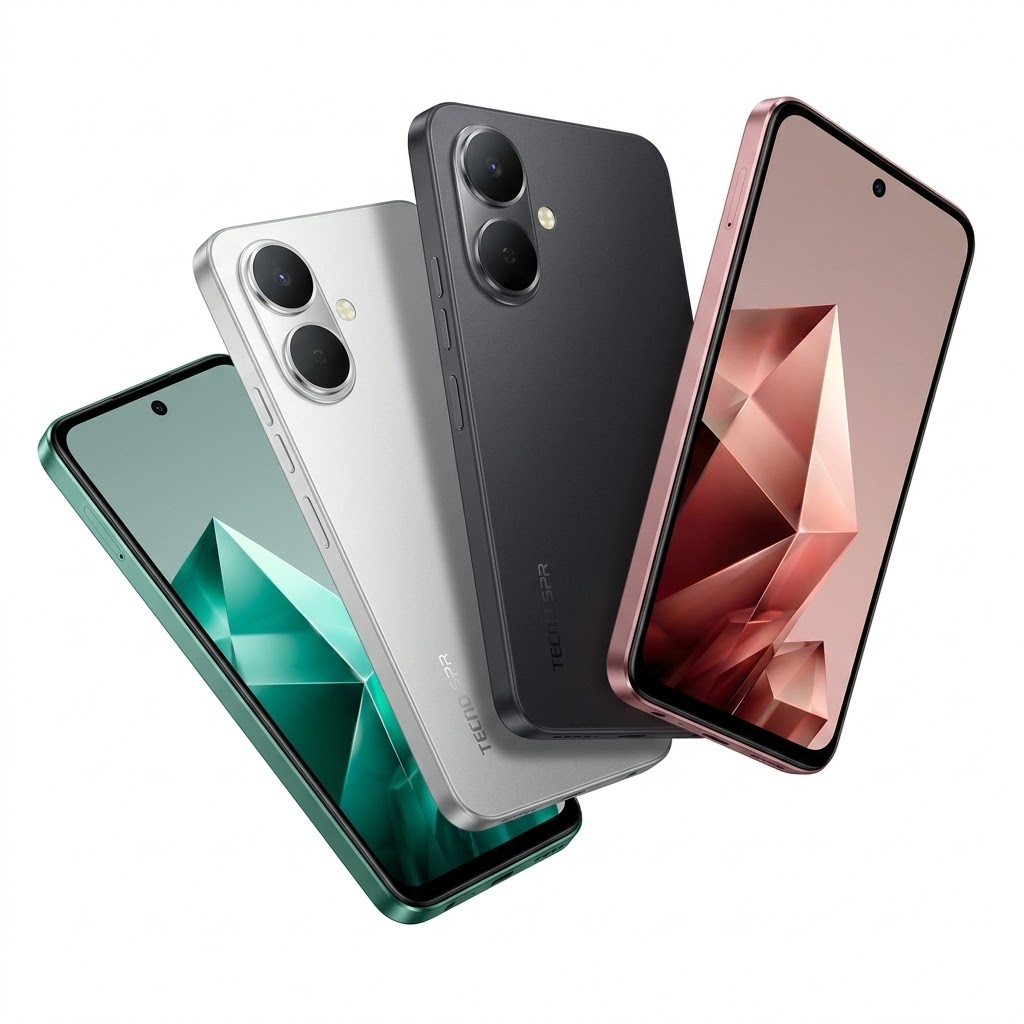
| TECNO Spark 40 | Best features for the money | 4GB / 128GB | About ₦160,000–₦175,000 |
| Redmi A5 | Large-screen bargain—at the right price | 4GB / 128GB | About ₦155,000–₦178,500 |
Prices move quickly, especially on Nigerian marketplaces, so compare the exact memory configuration and current seller before paying.
POCO C71 — the cheapest one we would seriously consider
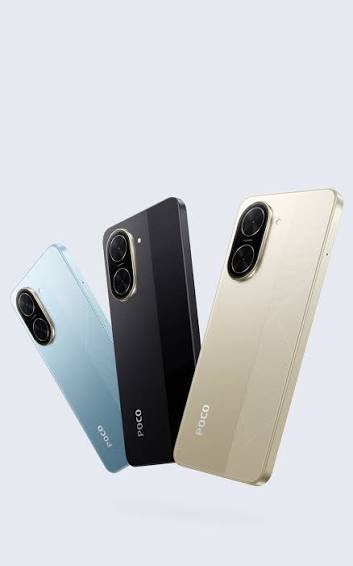
There are cheaper Android phones. That does not necessarily mean you should buy them. The POCO C71 is interesting because its 4GB/128GB configuration crosses most of the minimum lines we would set for a student phone without pushing much beyond ₦150,000. Xiaomi lists a 6.88-inch 120Hz HD+ display, UNISOC T7250 processor, 5,200mAh battery, 32MP main camera, side fingerprint sensor, USB-C and Android 15 Go Edition. Crucially, there is a genuine 4GB RAM/128GB storage version.
Verification: POCO C71 specifications — Xiaomi Nigeria
A current Jumia Nigeria listing for the 4GB/128GB version was around ₦145,000 when checked. Another previously discounted listing had sold considerably lower but was already out of stock, illustrating why students should not build a buying decision around an expired flash-sale price.
Current listing: Check the POCO C71 4GB/128GB on Jumia Nigeria
The weaknesses are equally clear. This is entry level hardware. The storage uses eMMC rather than faster premium storage technology, the display is HD+ rather than Full HD, and Android Go signals exactly where the phone sits in the market.
Do not buy it expecting high end gaming or aggressive multitasking.
But for WhatsApp, school portals, browsing, banking, streaming and ordinary academic use, the 4GB/128GB version makes considerably more sense than ultra-cheap 2GB or 3GB phones.
TechView verdict: The floor, not the ceiling. If approximately ₦145,000 is genuinely your maximum budget, this is the kind of specification we would target.
Samsung Galaxy A07 — the one we would buy for four years of school
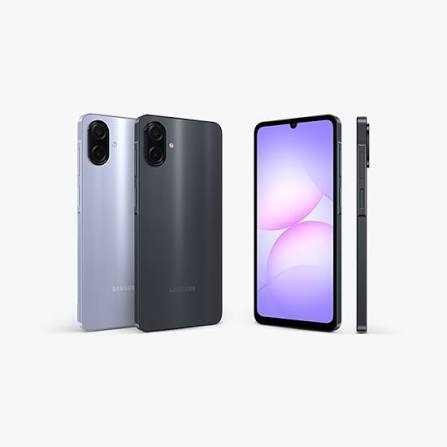
The Galaxy A07 is probably the most interesting student phone here—not because it has the wildest specifications, but because Samsung has given it something budget buyers rarely receive: a long support life.
Samsung says the Galaxy A07 will receive six generations of operating-system upgrades and six years of security updates from its global launch. It also carries an IP54 rating for dust and splash resistance. That matters.
A student buying a phone in first year may reasonably want to use it throughout university. Long software support means the phone is less likely to become outdated simply because applications and security requirements move on.
The 4GB/128GB model has a 6.7-inch 90Hz display, 5,000mAh battery, 50MP main camera, microSD support and a newer 6nm processor. Samsung also sells a 6GB/128GB configuration where available.
Verification: Samsung Galaxy A07 official specifications
When checked, Nigerian Jumia listings for the 4GB/128GB version ranged from roughly ₦158,500 to ₦170,000, although other sellers were considerably more expensive.
Price check: Compare Galaxy A07 4GB/128GB listings on Jumia Nigeria
The display is still only HD+, and 4GB RAM is adequate rather than generous. But if the Galaxy A07 costs only ₦10,000–₦20,000 more than a weaker entry level alternative, we would usually find the extra money.
TechView verdict: Our best long-term choice for the ordinary student. Software support, security and balanced hardware matter more over four years than winning a specification-sheet contest today.
TECNO Spark 40 — probably the most fun for the money

The Galaxy A07 wins on longevity.
The TECNO Spark 40 fights back with hardware.
TECNO lists a 6.67-inch 120Hz display, Helio G81 processor, 50MP rear camera, 5,200mAh battery, 45W charging, dual speakers, Android 15, infrared control and a side fingerprint reader.
Verification: TECNO Spark 40 official specifications
That 45W charging is particularly attractive for student life. If electricity has been unavailable and you suddenly have a limited charging window before leaving for class, charging speed can matter more than another camera sensor you barely use.
Konga's official store was listing a 4GB/128GB Spark 40 at approximately ₦160,203 when checked, with a one-year warranty. Other Konga offers sat around ₦170,000–₦175,000.
Purchase: Check the TECNO Spark 40 at Konga
There is one specification trap to understand. TECNO's marketing can show memory figures such as “8GB”, but some variants achieve that by combining 4GB of physical RAM with 4GB of extended or virtual RAM. TECNO's own specifications identify this distinction. That does not make Memory Fusion useless. It does mean 4GB + 4GB extended is not the same thing as having 8GB of physical RAM.
This distinction should be printed in bold across half the Nigerian smartphone market.
TechView verdict: If you value quicker charging, smoother scrolling and stronger entertainment features, the Spark 40 may be the best-value package here.
Redmi A5 — good phone, awkward price
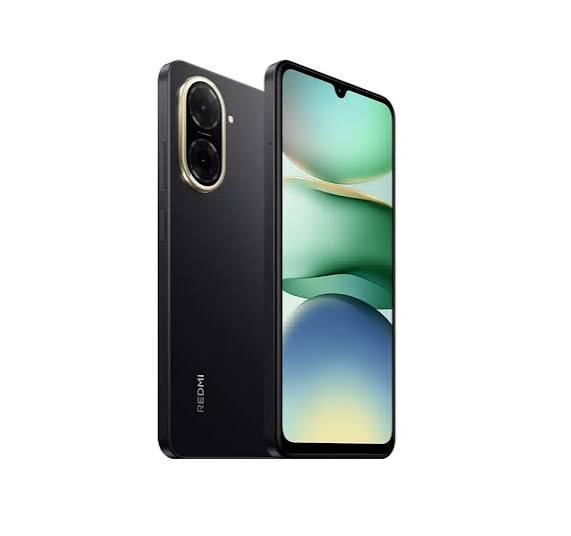
The Redmi A5 is an example of why we no longer rank phones on specifications alone. On paper, it looks excellent for an entry level student.
Xiaomi gives it a huge 6.88-inch 120Hz display, 5,200mAh battery, 32MP main camera, 8MP front camera, USB-C, headphone jack and side-mounted fingerprint sensor. The version to target is 4GB RAM with 128GB storage.
Verification: Redmi A5 — Xiaomi Nigeria
The problem is current Nigerian pricing. Jumia listings for the 4GB/128GB version ranged from roughly ₦155,000 to ₦178,500 when checked.
Price check: Compare Redmi A5 listings on Jumia Nigeria
At ₦145,000, we could make a strong case for it. At ₦178,000, the argument becomes harder when a Galaxy A07 or Spark 40 may cost the same or less. This is the kind of phone where the verdict changes with the price.
TechView verdict: Buy it on a good deal. Do not automatically buy it because “Redmi is good value.” At current prices, compare it against the Galaxy A07 and Spark 40 before paying.
What students should actually prioritise
128GB storage is becoming the sensible target
A 64GB phone can still work. The question is how long before you start fighting it. Android consumes some storage before you install anything. Add WhatsApp media, offline lecture videos, PDF textbooks, banking apps, social platforms, photographs and downloaded files, and 64GB can disappear faster than expected.
For a primary phone you intend to keep throughout school, 128GB is the better target. MicroSD expansion is useful, but applications and system files still depend heavily on internal storage.
4GB RAM is the minimum we would buy new
For basic Android use, 4GB remains workable. Six or eight gigabytes of genuine RAM is better, but the cheapest student phones often do not offer that without a substantial price increase. What we would avoid is buying a brand-new daily-use phone with only 2GB physical RAM unless the budget leaves absolutely no alternative.
Three gigabytes is better, but when the price difference to 4GB/128GB is small, save a little longer. Your future self trying to switch between Chrome, WhatsApp and a PDF viewer will appreciate it.
Battery beats camera megapixels
Every phone manufacturer wants to discuss cameras. Students should discuss battery. A 5,000mAh or larger battery is now easy to find in this category, and we would make it close to mandatory.
Charging speed is the next consideration. The Spark 40's 45W charging is meaningfully more useful than 15W if you frequently need quick top-ups. Do not obsess over whether a budget phone claims 50MP instead of 32MP. Sensor size, processing and lighting affect photographs far more than one large number on the box.
What we would avoid
This part may save you more money than the recommendations.
Avoid 2GB/64GB phones as your main university device
They can perform basic tasks, but application demands continue rising, buying too little hardware today can mean replacing the entire phone sooner.
Avoid paying extra for fake RAM
If a listing says: “8GB RAM — 4GB + 4GB Extended” you are buying a 4GB physical RAM phone. Storage based virtual memory can assist with some background tasks, but it does not perform like another 4GB of actual RAM.
Avoid the older model when the replacement costs almost the same
Samsung's Galaxy A06 remains widely available around the ₦140,000–₦180,000 range. It is not a bad phone: Samsung lists a Helio G85, 5,000mAh battery, 50MP main camera and 128GB configurations. But Samsung promises the A06 only up to two OS generations and four years of security maintenance, while the A07 receives six OS generations and six years of security support. If the A06 is ₦140,000 and the A07 is ₦160,000, we would stretch for the A07 if the budget permits. If the A06 drops dramatically lower, the calculation changes. That is how value shopping should work.
Avoid phones sold mainly on appearance
Budget devices increasingly imitate premium camera layouts and flagship designs. That does not make them premium internally. A huge camera island cannot rescue weak storage, inadequate RAM or poor software support.
Avoid suspicious marketplace bargains
If one seller offers a popular new phone for dramatically less than every established retailer, investigate.
Check:
- Exact RAM and storage
- Seller performance
- Warranty
- Whether it is new or refurbished
- Return policy
- Model number
- Charger included
- Network compatibility
A “cheap” phone becomes expensive very quickly if it arrives used, repaired or incorrectly specified.
The student phone rule we would use
If you have ₦140,000, try to find a genuine 4GB/128GB device rather than spending ₦110,000 on something you already know is underpowered. At roughly ₦145,000, the POCO C71 becomes interesting. Around ₦160,000, the decision becomes much easier: compare the Galaxy A07 and Spark 40.
Choose the Galaxy A07 if software longevity and Samsung's ecosystem matter most.
Choose the Spark 40 if charging speed, speakers and a 120Hz screen matter more.
And if a Redmi A5 appears at a genuine discount, put it back into the conversation.
The best budget phone is not permanently attached to one brand.
It is the phone offering the strongest configuration at the price you can actually buy it today.
Our Recommendation
Our overall student pick is the Samsung Galaxy A07.
It is not the flashiest phone here, but six generations of Android upgrades and six years of security support make unusual sense for a student who may keep one device through several academic sessions.
The TECNO Spark 40 is arguably better fun for the money, particularly with 45W charging, a 120Hz screen and dual speakers.
The POCO C71 4GB/128GB is where we would look if every additional naira matters.
And the Redmi A5 remains a solid option—but only when its price is sufficiently lower than the stronger alternatives.
The bigger lesson is this:
Do not buy the cheapest smartphone you can afford. Buy the cheapest smartphone you will not immediately outgrow.
That small distinction could be the difference between a phone that survives university and one you start trying to replace before the next semester.
Key details
Sources & Verification
POCO C71 — Xiaomi Nigeria specifications
POCO C71 — Jumia Nigeria listing
Samsung Galaxy A07 — official product information
Current Galaxy A07 listings — Jumia Nigeria
TECNO Spark 40 — official specifications
Frequently asked questions
How much should a Nigerian student spend on a smartphone in 2026?
There is no universal figure, but the current ₦140,000–₦180,000 range contains several genuinely usable new Android phones with 4GB RAM and 128GB storage. Spending more can improve performance, cameras and longevity, but students who mainly browse, message, stream and use school apps do not need flagship hardware.
Is 4GB RAM enough for a student phone?
For normal WhatsApp, browsing, PDFs, banking, social media and light multitasking, yes. It is the minimum we would currently recommend for a new primary Android phone. Six or 8GB of physical RAM provides better long-term headroom.
Is 4GB + 4GB extended RAM the same as 8GB RAM?
No. Extended or virtual RAM uses part of the phone's internal storage as additional memory. It can help in some situations but is considerably slower than physical RAM. TECNO and Xiaomi both disclose this distinction in their product specifications.
Is 64GB storage enough for university?
It can be, especially with microSD expansion and cloud storage, but 128GB is much more comfortable for a phone expected to last several years. WhatsApp media, videos, apps, PDFs and photographs can fill 64GB surprisingly quickly.
Should students buy a 5G phone?
Not necessarily. Reliable 4G remains sufficient for most student tasks. At a strict budget, we would rather have a good 4G phone with 128GB storage and adequate RAM than a compromised 5G device with weaker fundamentals.
Which is better for students: Samsung or TECNO?
At this price level, Samsung currently has a strong advantage in software longevity through the Galaxy A07, while the TECNO Spark 40 offers more aggressive hardware features such as 45W charging and dual speakers. The better choice depends on whether long-term software support or immediate features matter more.
Should I buy a used flagship instead?
Sometimes a carefully inspected used flagship offers significantly stronger hardware than a new budget phone. But battery wear, repaired displays, hidden water damage, limited warranty and shorter remaining software support introduce more risk. Students who need predictable reliability may prefer a new budget device with a genuine warranty.
Is the Galaxy A06 still worth buying?
Yes, but only at the right price. If it is substantially cheaper than the Galaxy A07, it remains a capable basic phone. If the difference is only around ₦10,000–₦20,000, we would favour the newer A07 because Samsung promises much longer software support.
Budget Smartphones Could Become More Expensive, Here’s What Buyers Should Watch

That “New” Smartphone May Be Refurbished—Here’s How to Find Out
Best Affordable Smartwatches for Notifications and Basic Fitness Tracking
iPhone 18 Pro vs iPhone 17 Pro: What Changed, and Is It Worth Upgrading?

iPhone Duo vs iPhone 18 Pro Max: Foldable Screen or Apple’s Best Conventional iPhone?

Tecno Phone Prices in Nigeria (2026): What Current Models Actually Cost
Redmi Phone Prices in Nigeria (2026): Current Models and What They Cost
Follow TechView Africa on WhatsApp
Get TechView Africa updates on WhatsApp. Follow our channel for practical technology news, product guides and digital trends from Nigeria and across Africa.
Leave a comment
Comments cannot be edited or deleted after posting. Please review your comment before submitting.
No comments yet. Start the conversation.