

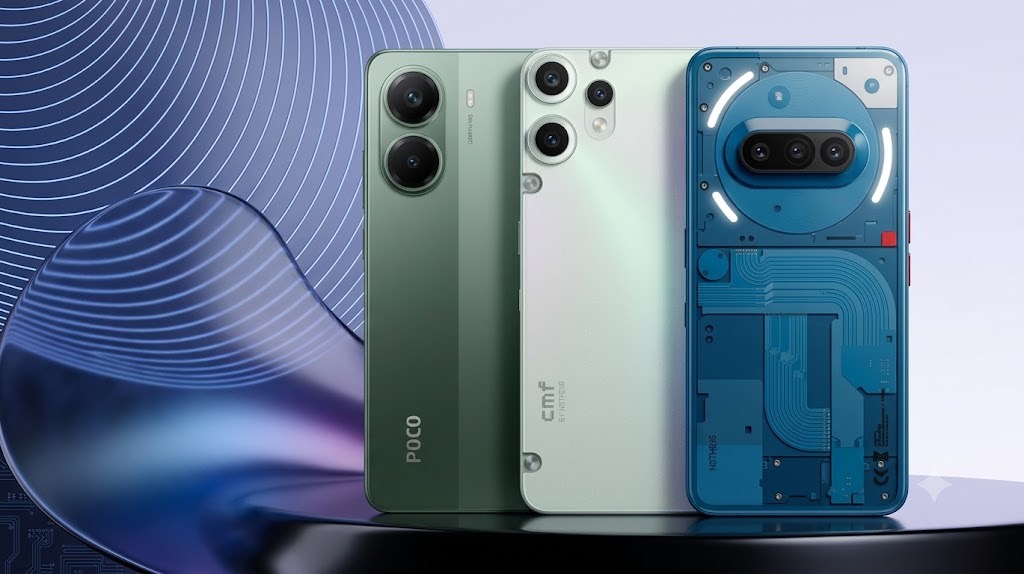
Possible price pressure is not the same as a confirmed price increase. Compare total value, warranty and support before making a rushed purchase.
Here’s What Buyers Should Watch
The cheapest smartphones are facing an unusually expensive problem. Memory prices are rising, manufacturers are protecting margins, and Nigeria remains heavily dependent on imported devices. The result may not always be a dramatic price increase: sometimes the same money simply buys less phone.
If you are planning to buy a budget smartphone in Nigeria, the next few months deserve attention. Global smartphone makers are dealing with unusually high memory costs, while Nigeria's market is especially sensitive because affordable devices dominate sales and most smartphones are imported. Industry researchers now expect the lowest price tiers to face the greatest pressure. That does not mean every phone will suddenly become 30% more expensive. Brands can respond in several ways:
- Raise the retail price
- Reduce RAM or storage at the same price
- Keep older models on sale for longer
- Cut discounts and launch promotions
- Move buyers into slightly higher price bands
- Use cheaper components to preserve headline pricingFor buyers, the sticker price is no longer enough. You need to watch what specification you are actually getting for the money.
Why budget phones are suddenly under pressure
For years, affordable smartphones moved in a direction consumers loved: more RAM, more storage, better screens and bigger batteries without enormous price increases.
In 2026, that trend is being tested. IDC says global smartphone shipments fell 2.9% year on year in Q1 2026, with memory constraints and record memory prices increasing costs for manufacturers. It now forecasts a 13.9% decline in global smartphone shipments for the full year, with the industry's average selling price reaching record territory.
Verification: IDC's 2026 smartphone market outlook
The pressure is especially severe at the cheaper end, where manufacturers have far less profit margin available to absorb higher component costs. A ₦1.5 million flagship can sometimes absorb a component increase more easily than a ₦130,000 phone built around extremely tight margins. When a few extra dollars are added to the cost of making a budget phone, somebody eventually has to pay. Increasingly, that somebody may be the buyer.
The memory inside your phone is part of the problem
Two components deserve particular attention: DRAM, which provides working memory or RAM, and NAND flash, which provides storage. Both have become more expensive. TrendForce reported in July 2026 that conventional DRAM contract prices were expected to rise another 13–18% quarter on quarter during Q3, while NAND Flash contract prices were forecast to increase 10–15%. Its more specific mobile-memory research later estimated Q3 Mobile DRAM increases of roughly 8–13%, after much steeper rises earlier in 2026.
Verification: TrendForce's Q3 2026 memory-price analysis
One reason is the extraordinary demand for memory from AI servers and data centres. Memory manufacturers have strong incentives to devote capacity to higher-value server and AI products, tightening supply elsewhere. Your inexpensive Android phone is therefore competing indirectly with one of the biggest technology investment booms in the world. AI is not the only factor. Processors, screens, batteries, shipping, energy costs and currencies all matter. But memory has become a much bigger source of cost pressure than smartphone buyers are accustomed to.
Nigeria is particularly exposed
This global shift matters more in Nigeria because affordable phones are not a small niche. They are the market. Omdia reported that phones below $200 represented 75% of African smartphone shipments in Q1 2026. In Nigeria, phones below $150 account for more than 60% of smartphone volumes, according to Omdia data reported by TechCabal.
Nigeria's smartphone market still grew 8% year on year in Q1 2026, but Omdia warned that retail prices had not yet fully reflected rising component costs. Its principal analyst Manish Pravinkumar told TechCabal that Nigeria could see another 15–30% upward pricing adjustment through the remainder of 2026, particularly in the mass market.
Verification: TechCabal's report on Nigeria's 2026 smartphone pricing outlook
The country is also heavily import-dependent. Omdia estimates that roughly 90% of smartphones sold in Nigeria are imported. That introduces another variable: the Naira., even if a manufacturer keeps a phone's dollar price unchanged, exchange rate movements, freight and distributor costs can alter what Nigerian shoppers eventually pay. This is why a smartphone can become noticeably more expensive locally without the manufacturer announcing any dramatic global price increase.
The price may stay the same while the phone gets worse
This is the part buyers should watch most carefully. Manufacturers do not always respond to higher costs by changing the number on the price tag. Sometimes they change the product. IDC expects some manufacturers to reduce memory and storage configurations to manage higher component costs. A device that might previously have shipped with 12GB RAM and 256GB storage could arrive with 8GB and 128GB at a similar price.
Verification: IDC's analysis of how memory shortages may change phone specifications
The same principle matters even more in budget tiers. Imagine two phones both selling around ₦170,000.
Last year's model offers:
- 8GB physical RAM
- 256GB storage
- A sharper display
Its replacement offers:
- 4GB physical RAM
- Advertised “extended RAM”
- 128GB storage
The newer phone may have a fresher name and newer Android version, but that does not automatically make it better value.
TechView takeaway: In a rising-cost market, compare specifications across generations not just model names.
Watch the difference between real RAM and virtual RAM
This deserves special attention in Nigeria's budget segment. Phone listings increasingly advertise combinations such as “4GB + 4GB RAM” or “8GB extended RAM.” The second number may be virtual memory borrowed from the phone's internal storage. It is not equivalent to having the same amount of physical RAM. Virtual memory can help with some background-app behaviour, but it cannot magically transform a 4GB phone into a true 8GB device. If manufacturers become more aggressive about reducing hardware while preserving attractive marketing numbers, buyers need to check the actual physical RAM before paying.
For a phone you hope to keep for several years, 6GB or 8GB of genuine RAM is increasingly preferable where your budget allows it.
₦100,000 is becoming a tougher price point
The definition of a “budget smartphone” has already shifted. A May 2026 survey of Nigerian retail listings found that useful new smartphones below ₦200,000 commonly offered combinations of 4GB to 8GB RAM, 128GB storage, large batteries and mostly HD+ displays.
Verification: TechCabal's May 2026 survey of affordable Nigerian smartphones
Around ₦100,000, compromises become much more obvious.
That does not mean everyone needs a ₦200,000 phone. Someone who mainly needs WhatsApp, banking, calls and light browsing may be perfectly satisfied with an entry-level device. But IDC argues that the global sub-$100 smartphone segment is becoming increasingly difficult economically as memory costs rise. Its 2026 forecast suggests the cheapest categories will face some of the greatest pressure.
For Nigeria, where smartphones are a primary gateway to the internet, that is not merely an enthusiast problem. It can become an issue of digital access.
Should you buy now before prices rise?
Not automatically. Fear is a poor reason to buy technology. If your current phone works properly and you were not already planning to replace it, there is no reason to rush out because analysts expect higher prices. Smartphones still depreciate. Retailers still run promotions. Older models still receive clearance discounts. Competition between Tecno, Infinix, itel, Xiaomi, Samsung and other brands will not disappear. But if you already intend to buy in the next few months, delaying purely because you expect dramatically cheaper prices later may be a weaker strategy than usual.
The important comparison is not:
“Today's price versus an imaginary future sale.”
It is:
“Does this phone give me good value for what I need today?”
If the answer is yes and the price fits comfortably within your budget, waiting is not guaranteed to reward you.
Five things buyers should watch
1. RAM and storage cuts
Do not assume the successor to your preferred phone has equal or better memory. Check the physical RAM and internal storage.
2. Disappearing discounts
Higher costs may appear first as fewer promotions rather than higher official prices. A phone that remains ₦180,000 but no longer receives the usual ₦20,000 discount has effectively become more expensive.
3. Older phones staying on shelves
This can actually create opportunities. A strong 2025 model may offer better value than a stripped-down 2026 replacement, provided it still has acceptable software support and warranty coverage. Newer does not always mean better.
4. Big gaps between retailers
Nigerian smartphone prices can vary significantly between official stores, major electronics retailers and marketplace sellers. Compare the same RAM and storage configuration, not merely the same model family. A 4GB/128GB phone and an 8GB/256GB version are not equivalent deals.
5. Warranty and authenticity
As new-phone prices rise, suspiciously cheap listings become more tempting.
Check whether the device is:
- Brand new
- Used
- Refurbished
- Open-box
- Previously repaired
Also verify the seller, return policy and local warranty. Saving ₦25,000 is not a bargain if you receive a repaired phone being presented as new.
Do you really need 5G?
This is another area where buyers can protect their budgets. 5G is useful, but it should not automatically outrank everything else. If choosing 5G forces you to accept dramatically less RAM, storage or display quality at the same price, think about how you actually use your phone.
For someone in an area with limited 5G availability who mainly uses WhatsApp, YouTube, banking and social media, a strong 4G phone may still provide better overall value than a badly compromised 5G model.
Conversely, if you keep smartphones for four or five years and spend much of your time in areas with good 5G coverage, paying moderately more for 5G can make sense. Buy for your circumstances not the badge on the box.
Used and refurbished phones could become more attractive
Rising new-device prices tend to make the second-hand market more important. TrendForce expects longer replacement cycles and more repair and secondary market activity as new device costs increase. That can create genuine bargains. A clean, properly tested previous-generation mid-range smartphone may outperform a brand-new entry-level device at the same price.
But second-hand phones introduce different risks:
- Weak battery health
- Replaced displays
- Water damage
- Hidden repairs
- Account locks
- Shorter software-support periods
- No meaningful warranty
So the correct response to rising new-phone prices is not simply:
“Buy used.”
Become better at evaluating value.
Financing can help but check the total cost
As affordability gets harder, instalment plans and device financing will become more attractive. Omdia expects financing to play a growing role in keeping higher-priced devices accessible as smartphone affordability weakens across Africa. That can genuinely help when the terms are reasonable. But calculate the final amount you will pay. A manageable monthly payment can hide a surprisingly expensive total once interest, service fees or other charges are included.
Always compare:
Total instalment repayment versus cash price. The smaller monthly figure is not necessarily the cheaper purchase.
What this means
Budget smartphones are not disappearing. But the economics that made them steadily more capable every year are under pressure. Memory prices have risen sharply. AI infrastructure is competing for semiconductor capacity. Manufacturers are protecting margins. Nigeria remains heavily dependent on imported smartphones, while most buyers shop in precisely the price bands facing the greatest pressure.
That could mean higher prices. It could also mean something less obvious: The same price for less RAM, less storage or fewer premium features. For Nigerian buyers, one habit is becoming more important than ever: Stop buying the model name. Buy the specification. Compare physical RAM, storage, display, chipset, battery, charging, software support and warranty. Check more than one reputable retailer.Consider previous generation models where the value is stronger. And do not let predictions of rising prices push you into an unnecessary purchase. The smartest buyer in a more expensive smartphone market will not necessarily be the person who buys first. It will be the person who notices when “affordable” starts quietly offering less for the same money.
Common mistakes
- Buying purely because a phone is labelled “budget.”
- Choosing too little storage to save a small amount.
- Assuming older models will always become cheaper.
+ Older mid-range phones may offer stronger value.
+ Competition still gives buyers plenty of choices.
+ Careful comparison can uncover better deals.
— Consider RAM, storage and software support, not price alone.
— Check whether a cheaper model has reduced specifications.
— Compare current and previous-generation phones.
Sources & Verification
IDC — Worldwide smartphone outlook for 2026
TrendForce — Q3 2026 DRAM and NAND pricing outlook
TechCabal — Nigeria smartphone price outlook for 2026
IDC — How the memory shortage could reduce phone specifications
TechCabal's May 2026 survey of affordable Nigerian smartphones
Frequently asked questions
Are budget phone prices definitely going up?
Not necessarily. Prices vary by country, seller, currency and supply. Treat this as a guide to possible pressures, not a confirmed forecast.
Should I buy immediately if I hear a price rumour?
No. Verify the exact model and price from reputable sellers, then decide based on your needs and budget.
What specification is hardest to compromise on?
For many buyers, adequate storage and reliable software support matter more over time than a small difference in peak performance.
Best Budget Smartphones for Students: What to Buy and What to Avoid
iPhone 18 Pro vs iPhone 17 Pro: What Changed, and Is It Worth Upgrading?

iPhone Duo vs iPhone 18 Pro Max: Foldable Screen or Apple’s Best Conventional iPhone?
Tecno Phone Prices in Nigeria (2026): What Current Models Actually Cost
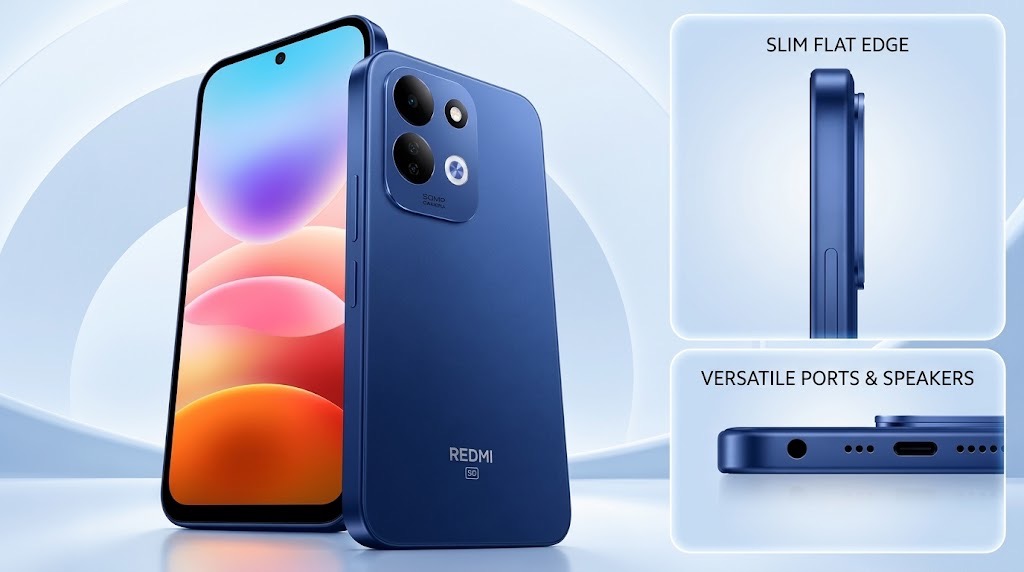
Redmi Phone Prices in Nigeria (2026): Current Models and What They Cost
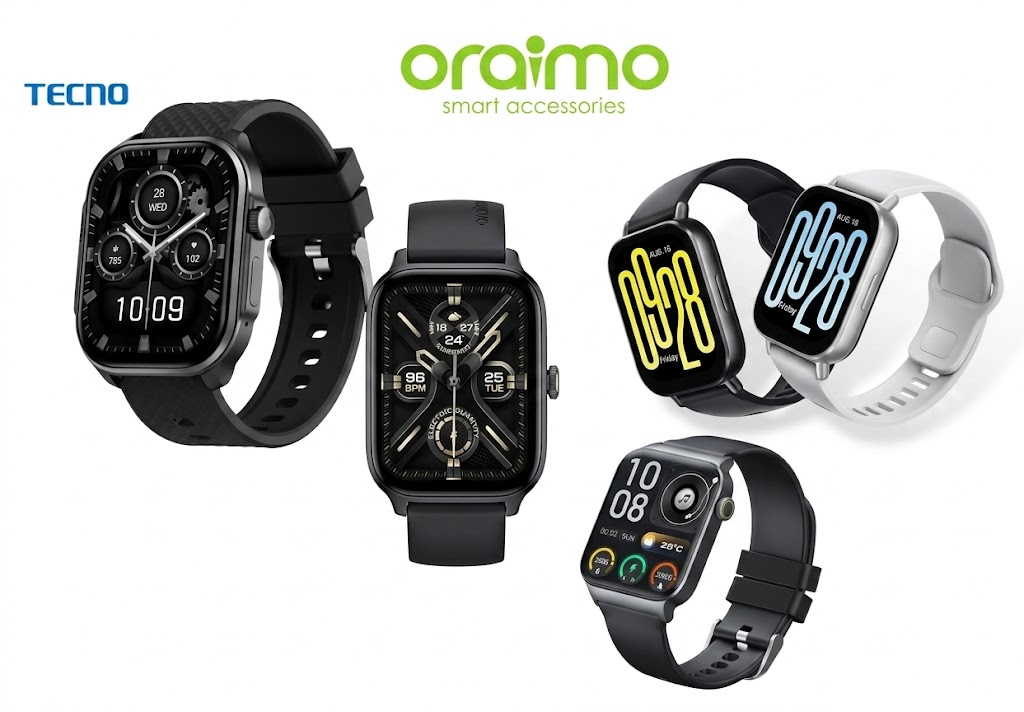
Best Affordable Smartwatches for Notifications and Basic Fitness Tracking
That “New” Smartphone May Be Refurbished—Here’s How to Find Out
Follow TechView Africa on WhatsApp
Get TechView Africa updates on WhatsApp. Follow our channel for practical technology news, product guides and digital trends from Nigeria and across Africa.
Leave a comment
Comments cannot be edited or deleted after posting. Please review your comment before submitting.
No comments yet. Start the conversation.