

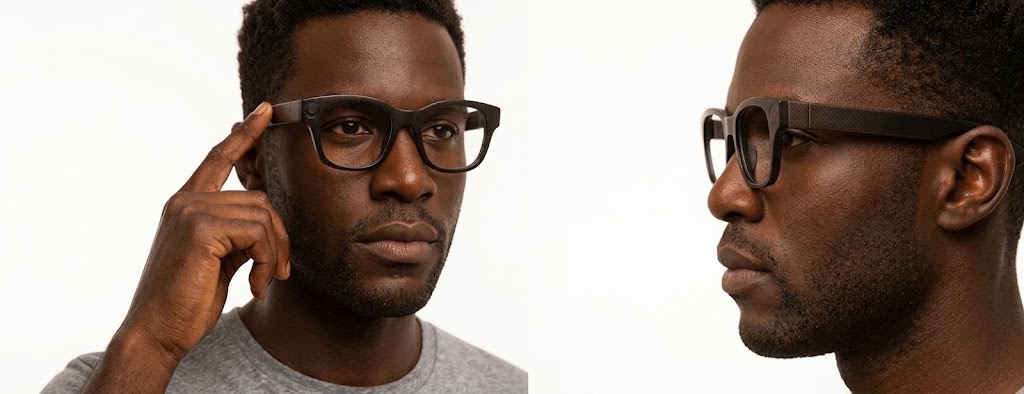
Smart Glasses and the Privacy Concerns They Raise
Smart glasses can capture images, voices and surroundings without the obvious gesture of pointing a phone. As wearable cameras become harder to recognise, the privacy question increasingly belongs to the people standing around them.
Being near someone wearing smart glasses does not automatically mean you are being recorded, and recording rules vary by circumstance and jurisdiction. In Nigeria, personal or household use receives an exemption under data-protection law, but that exemption does not permit violations of another person’s fundamental right to privacy.
Smart glasses turn something socially ordinary "looking at another person" into something technically different. A camera and microphone can sit inside frames that resemble ordinary eyewear, while AI can analyse what the wearer sees or hears. The privacy question is therefore no longer only what the owner agrees to, but what happens to everyone nearby.
The answer is not as simple as “recording without consent is always illegal.” Privacy rules depend on where the recording happens, why it is made, who controls the data and what happens to it afterwards.
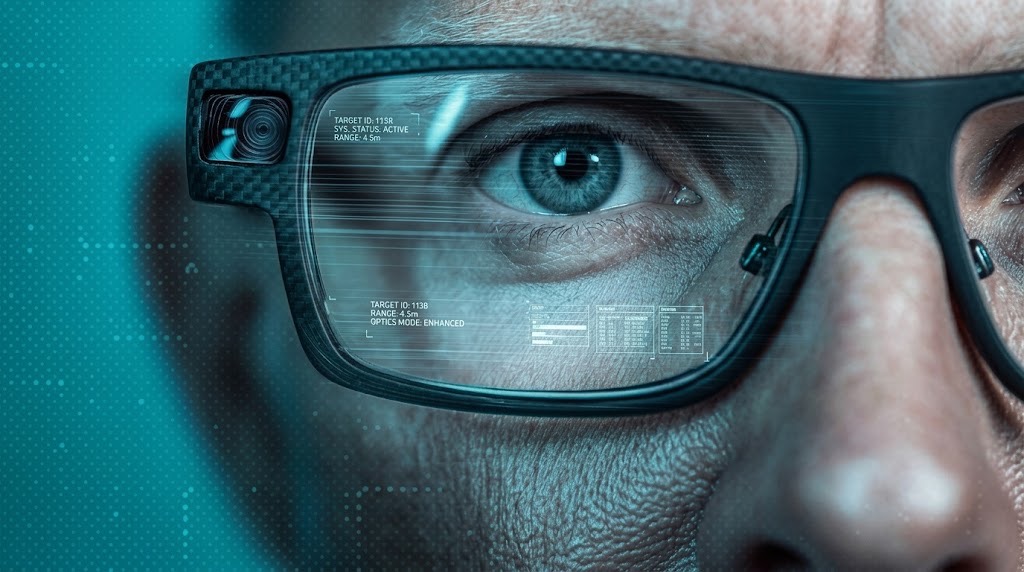
In Nigeria, personal use is not a privacy-free zone
Nigeria’s Data Protection Act 2023 generally exempts processing carried out solely for personal or household purposes, but that exemption has an important limit: the processing must not violate another person’s fundamental right to privacy. The Nigeria Data Protection Commission’s implementation guidance also says individuals processing data for household or personal purposes should respect the privacy of data subjects and may be accountable where their conduct puts another person’s privacy at risk.
That matters for smart glasses because they can capture identifiable faces, voices and conversations without the obvious gesture of lifting a phone. When a business, employer, school or other organisation uses recorded material, the rules are stronger. Nigeria’s data-protection framework requires personal data to be processed fairly, lawfully and transparently, while data subjects can have rights including access, objection, restriction and erasure in applicable circumstances.
The same issue extends beyond wearable cameras. TechView Africa has examined what happens when AI systems gain access to more of our personal data, including the privacy trade-offs that arise when intelligent systems can process photos, documents and other personal information.
A recording light is a warning, not permission
Meta says its AI glasses activate a capture LED when photos or video are being recorded and advises wearers to ask permission from people around them before capturing media. Meta’s responsible-use guidance for AI glasses
But a light does not automatically mean a bystander understood what was happening or agreed to it. France’s data-protection regulator, CNIL, has warned that smart glasses may be difficult to distinguish from ordinary eyewear and that recording indicators can have limited visibility. CNIL’s smart-glasses privacy guidance
That difference matters: a smartphone pointed at you usually communicates intent. Glasses can capture the wearer’s field of view while appearing much more passive.
AI adds another privacy layer
Modern smart glasses can do more than save an image. Depending on the device, AI may use the camera or microphone to describe surroundings, answer questions about what the wearer sees or help translate speech. CNIL notes that this can involve capturing images or voices of people nearby so an AI system can respond.
The important distinction is between being sensed, recorded, uploaded, stored and shared. Those are not necessarily the same events, and users should check the specific device’s privacy controls.
The principle is similar to the one TechView Africa examined in our guide to the privacy trade-offs created when AI gains access to everyday apps and personal information: greater capability often requires more context, which makes understanding where that information goes increasingly important.
Where should wearers exercise the most restraint?
Privacy concerns become strongest where people reasonably expect greater privacy: homes, medical settings, changing areas, bathrooms, private meetings and confidential workplaces. Even manufacturers advise against recording in sensitive settings.
A sensible rule is therefore stricter than “the device allows it.” Tell people when recording is taking place, ask before deliberately capturing them, disable camera or microphone functions when unnecessary, and avoid recording sensitive conversations or spaces.
Our Recommendation
Treat smart glasses as wearable cameras, not ordinary spectacles. Wearers should default to transparency and permission before deliberately recording another person. Bystanders should also remember that seeing smart glasses does not automatically mean recording is active, but it is reasonable to ask whether capture is taking place and what will happen to the material.
As these devices become harder to distinguish from ordinary eyewear, privacy will depend increasingly on behaviour, product design and enforceable rules not merely a tiny recording light.
Verification Links
Nigeria Data Protection Commission — Nigeria Data Protection Act 2023
Nigeria Data Protection Commission — NDP Act General Application and Implementation Directive
Frequently asked questions
Can someone legally record me with smart glasses in Nigeria?
There is no single yes-or-no rule for every situation. The setting, purpose, later use of the recording and applicable privacy rights all matter. Nigeria’s personal-use exemption does not override another person’s fundamental right to privacy.
Does the recording light mean I consented?
No. A recording indicator can provide notice, but notice and consent are not the same thing.
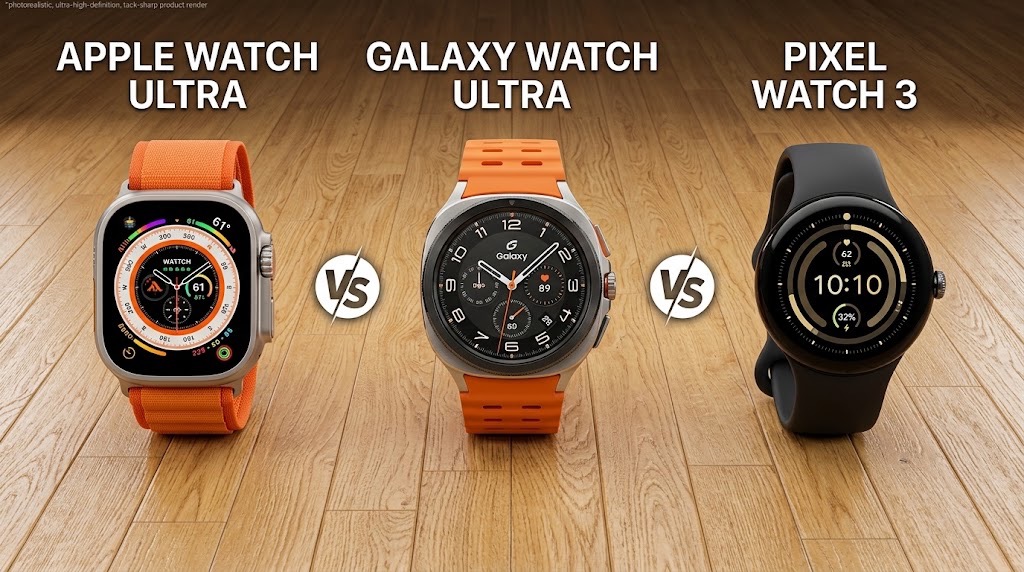
Apple Watch, Galaxy Watch and Pixel Watch in Nigeria: Which Health Features Are Actually Available?
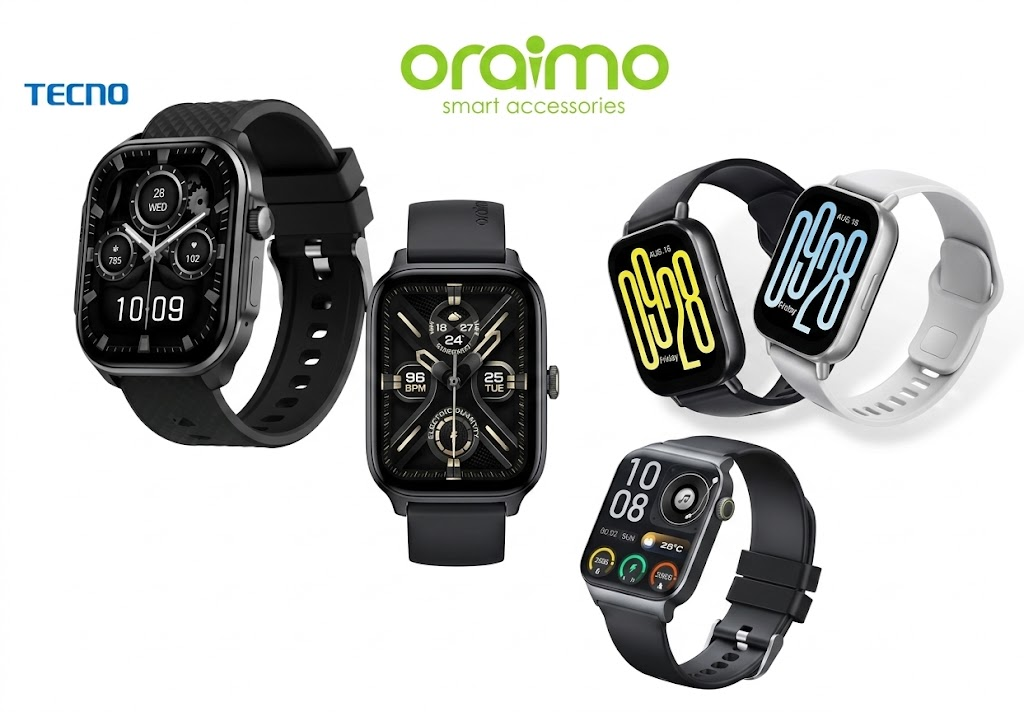
Best Affordable Smartwatches for Notifications and Basic Fitness Tracking
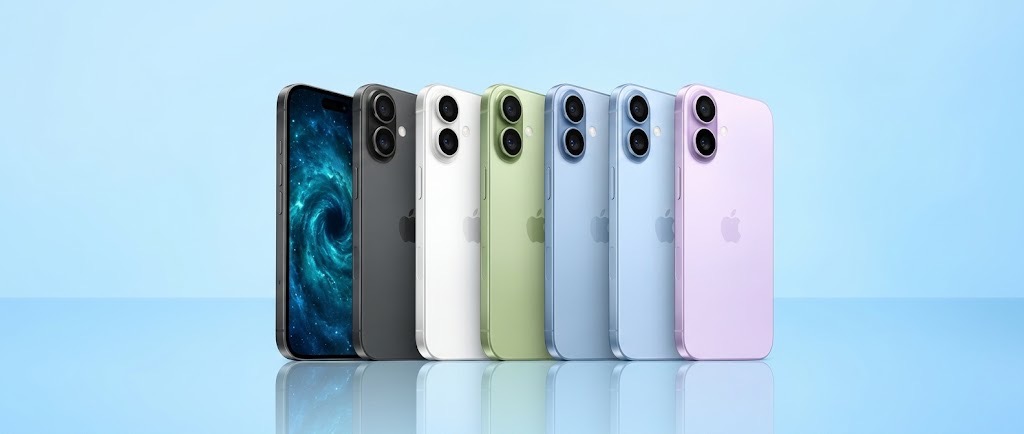
The Same iPhone Can Be Different by Region: What Nigerian Buyers Should Know
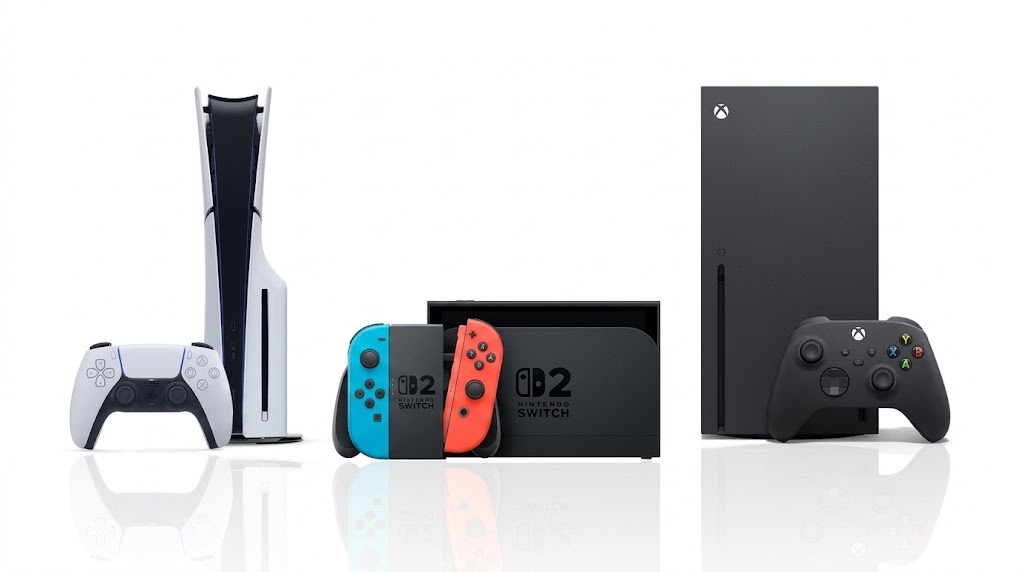
PS5, Xbox or Switch 2 in Nigeria: We Compared the Regional Support Behind Each Console

iPhone Duo Review: What Apple Got Right and What $1,999 Still Doesn’t Buy You
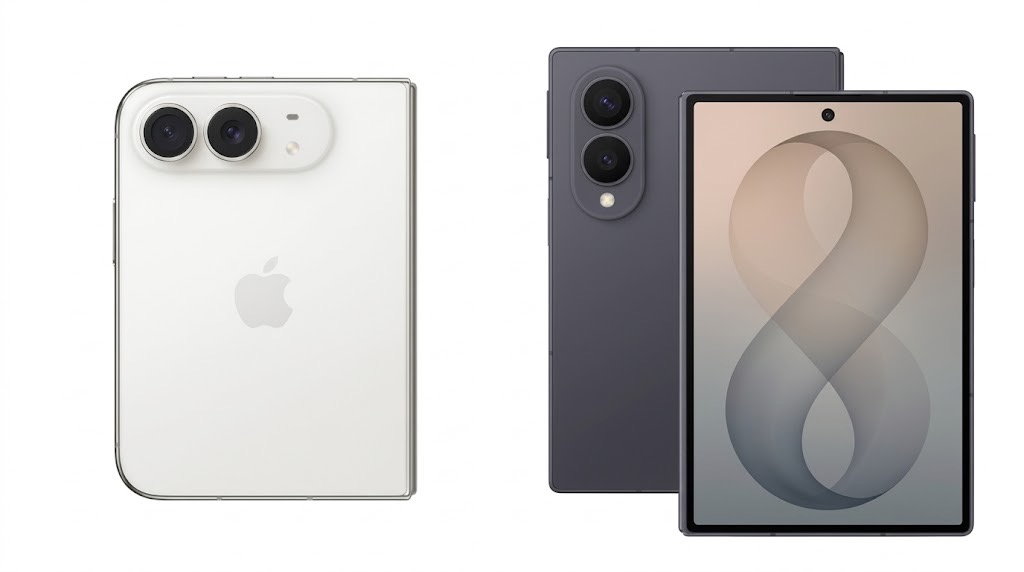
Apple Arrived Eight Generations Late: iPhone Duo vs Galaxy Z Fold8 Shows What It Learned From Samsung
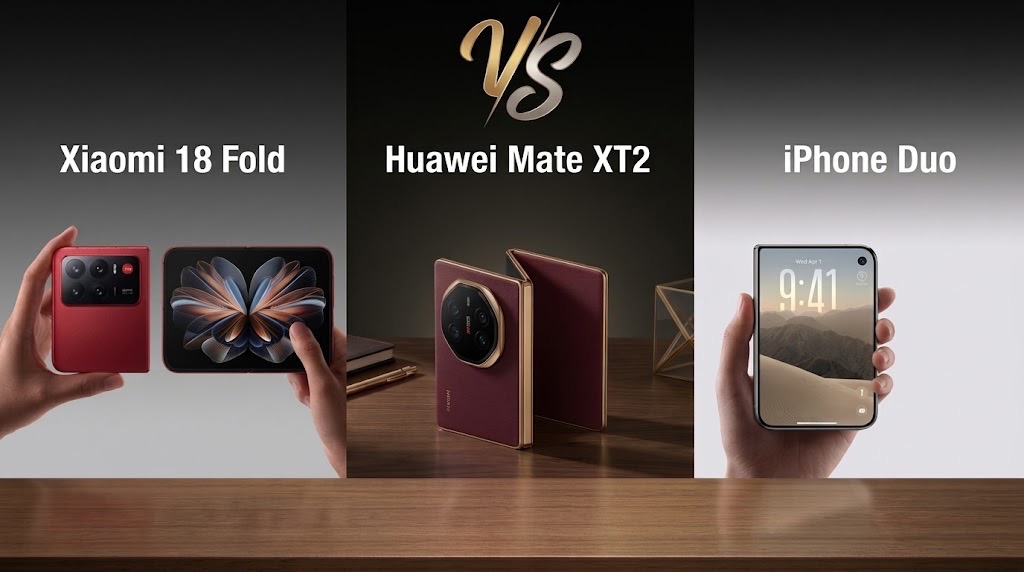
Apple Has Finally Joined Huawei and Xiaomi’s Foldable Fight But Who Are These Ultra-Premium Phones Really For?
Follow TechView Africa on WhatsApp
Get TechView Africa updates on WhatsApp. Follow our channel for practical technology news, product guides and digital trends from Nigeria and across Africa.
Leave a comment
Comments cannot be edited or deleted after posting. Please review your comment before submitting.
No comments yet. Start the conversation.