

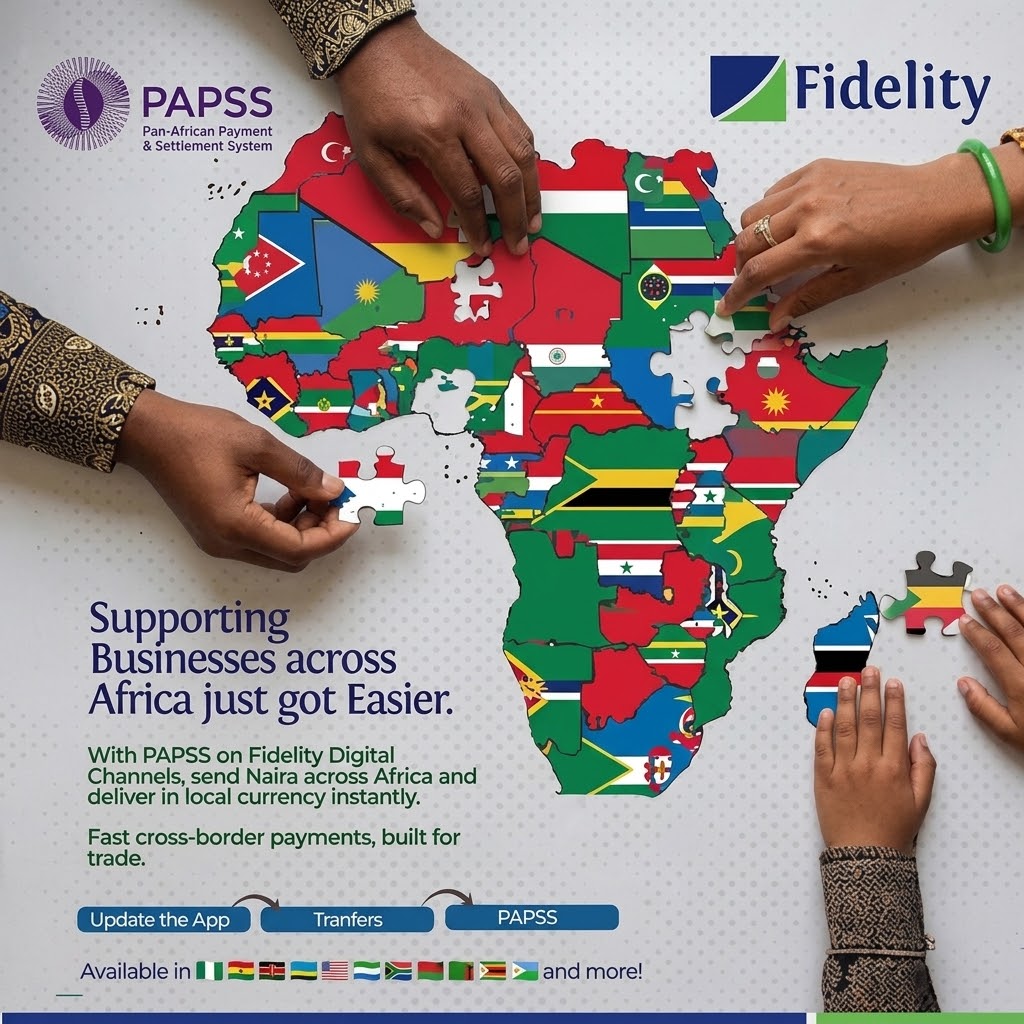
Africa's payment systems are becoming more connected, potentially making cross-border transfers faster and less dependent on converting African currencies through dollars or euros.
Sending money between African countries can still be surprisingly difficult. A growing network of connected payment systems is trying to change that by making cross-border transfers faster and allowing more payments to move directly between African currencies.
Africa is gradually building payment infrastructure that could allow a person or business in one country to send money to another African country without both sides first having to think in dollars, euros or another international currency. At the centre of that effort is the Pan-African Payment and Settlement System, commonly called PAPSS. Developed by Afreximbank in collaboration with the AfCFTA Secretariat and African central banks, PAPSS connects banks, payment providers and other financial institutions so cross-border payments can be initiated in one local currency and received in another.
The network is still expanding rather than universally available. But developments in 2026 including new connections involving Kenya and Central Africa, show that the idea is moving beyond a continental policy ambition towards infrastructure consumers may increasingly encounter through their banks and payment apps.
Why sending money within Africa can still be complicated
Imagine a Nigerian business paying a supplier in another African country. Historically, the transaction may involve correspondent banks and conversion through an international currency before the beneficiary eventually receives money in their own currency. That creates additional steps. It can also add foreign exchange costs, correspondent-bank fees and processing time. PAPSS is designed to shorten that chain.
According to its explanation of how the system works, a sender instructs their participating bank or payment provider in their local currency. PAPSS validates and routes the transaction, while the receiving institution credits the beneficiary in their own local currency. PAPSS says qualifying instant payments can be processed within a maximum of 120 seconds. That does not mean every transfer between every African country can already happen this way. It means the infrastructure for doing so is expanding.
The network became more connected in 2026
One significant development came in February. Kenya's Pesalink instant-payment network connected with PAPSS, linking more than 80 Pesalink participants with more than 160 PAPSS-participating banks. That creates a route for participating African financial institutions to send payments into Kenyan banks and mobile-money providers through connected infrastructure.
Another important expansion arrived in July when the Bank of Central African States, or BEAC, joined PAPSS. BEAC serves Cameroon, Central African Republic, Chad, Equatorial Guinea, Gabon and the Republic of Congo. PAPSS says integration work with financial institutions across the region will continue through the end of 2026.
That distinction matters. A country or regional institution joining a payment network does not necessarily mean every bank and consumer inside that market immediately gains access.
Nigeria is positioning itself for deeper cross-border payments
Nigeria is particularly important to this story because of the size of its economy, fintech industry and domestic electronic-payment market. The Central Bank of Nigeria's new Payments System Vision 2028, launched on 1 June 2026, explicitly identifies interoperability as one of its central principles.
The strategy also prioritises stronger cross-border integration and greater connection between Nigeria's payment infrastructure and regional and international markets. Nigeria already participates in PAPSS.
The system's Nigeria-specific consumer information says participating customers can use naira for eligible cross-border payments, including transactions involving goods, invoices, salaries, school fees and transfers to family and friends.
For Nigerian small businesses importing from or selling to other African countries, easier local-currency settlement could be especially valuable.
What consumers could eventually notice
Most consumers will probably not wake up one morning and download a new app called “Africa Payments.” The more likely change will happen inside services they already use.
A bank or fintech could offer an African cross-border transfer option and route the transaction through connected infrastructure behind the scenes. If the system works as intended, consumers could eventually see faster transfers between participating African countries, clearer local-currency pricing, fewer unnecessary intermediary steps and more competition among cross-border payment providers. PAPSS also provides additional services beyond ordinary transfers.
Its Request to Pay service is designed to help participating banks and financial institutions offer cross-border billing, invoicing and collection services to their customers. The initiative has also moved beyond account transfers. PAPSSCARD was launched in June 2025 as a Pan-African card scheme designed to process more card transactions within African infrastructure. PAPSS says the system can support domestic and cross-border retail payments while keeping more transaction routing, settlement and payment data within the continent.
But connected does not mean frictionless
There is an important distinction between building a continental payment network and making every African payment effortless. Different countries still have different financial regulations, currencies, capital controls, identification requirements and anti money laundering rules. Not every bank participates, not every currency pair will have the same liquidity. Fees can still exist, and the final price offered to a consumer will depend on their bank or payment provider.
Even a payment system capable of processing a qualifying transfer in seconds cannot automatically remove every regulatory or foreign-exchange restriction surrounding that transaction. Consumers should therefore be cautious about interpreting “instant African payments” as meaning free transfers between every African country. That is not what the infrastructure currently guarantees.
Why this matters beyond convenience
The bigger goal is trade. The African Continental Free Trade Area is designed to increase commerce between African economies, but moving goods more easily is only part of the equation. Businesses must also be able to get paid.
A Nigerian merchant should ideally not need a complicated chain of international banking relationships simply to receive payment from a customer elsewhere on the continent. That is why payment interoperability matters. The easier it becomes to move legitimate payments across African borders, the more practical a connected African market becomes for small businesses as well as large corporations.
Our Recommendation
Consumers should watch this development, but judge it by what their own bank or fintech actually offers, not by continental announcements alone. The real breakthrough will come when sending money to another African country feels almost as ordinary as making a domestic transfer: clear fees, familiar currencies, fast settlement and reliable support when something goes wrong.
Africa has already built significant infrastructure needed to move in that direction. The next challenge is making those connections widely available enough that ordinary consumers actually notice them.
Sources & Verification
PAPSS — How Cross-Border Payments Work
PAPSS — Kenya Pesalink Integration
PAPSS — BEAC Joins the Network
Central Bank of Nigeria — Payments System Vision 2028
Frequently asked questions
What is PAPSS?
PAPSS stands for the Pan-African Payment and Settlement System. It is payment infrastructure connecting African central banks, commercial banks, fintechs and payment providers to facilitate cross-border transactions.
Can I send naira directly to someone in another African country?
That depends on whether your bank or payment provider and the destination institution support the relevant PAPSS route. The system is designed so the sender can pay in their local currency while the recipient receives their own local currency.
Does PAPSS have a consumer app?
Consumers generally access PAPSS-enabled services through participating banks, fintechs and other payment providers rather than needing to interact directly with the underlying settlement infrastructure.
Are PAPSS transfers free?
Not necessarily. PAPSS aims to reduce some of the cost and complexity associated with cross-border African payments, but individual banks and payment providers can still charge fees.
How quickly can a PAPSS payment arrive?
PAPSS says qualifying instant cross-border payments can be processed within a maximum of 120 seconds. The complete customer experience can still depend on participating institutions and applicable compliance procedures.
Does PAPSS work across all African countries?
Not yet. The network continues to expand across central banks, commercial banks, fintechs, payment providers and regional systems. Availability therefore depends on the countries and financial institutions involved.
Leave a comment
Comments cannot be edited or deleted after posting. Please review your comment before submitting.

Inside the $213 Billion Payments Business Airtel Wants to Take Public
Stripe and Advent Drop $53 Billion PayPal Pursuit: What It Means for African Online Payments
Why Nigerians Are Using Stablecoins for Cross-Border Payments and What the Risks Are

Sent Money to the Wrong Account in Nigeria? Act Fast, Here’s What to Do

Debited but the Receiver Wasn’t Credited? Here’s What May Be Happening

Fake Bank Alert or Real Payment: Here’s How to Verify It Properly

Could Stripe Buying PayPal Finally Make Online Payouts Easier in Africa
Follow TechView Africa on WhatsApp
Get TechView Africa updates on WhatsApp. Follow our channel for practical technology news, product guides and digital trends from Nigeria and across Africa.
What’s your take on Stripe acquiring PayPal? Most of our social media earnings are usually received on PayPal. Frictionless payments could help Africans collect their earnings seamlessly from this social sites like TikTok. Thanks for the post by the way💪🏽
If that happens, it would very likely provide frictionless payments to Africans. And there's already an article on that subject here on the Techview Platform.