


Never treat a screenshot or someone else's debit alert as proof of payment. Confirm the credit through your own bank app, USSD, transaction history or another trusted banking channel before completing the transaction.
They Showed You a Transfer Receipt But Did You Actually Get Paid?
A transfer screenshot can look convincing. An SMS can appear to confirm payment. Neither should be the final reason you hand over goods, cash or a service. The safest evidence is what your own bank account says.
The customer shows you a transfer receipt.
Your phone receives what looks like a credit alert.
They are already asking for the product.
This is exactly when verification matters most.
In Nigeria's transfer-heavy economy, confirming payment should mean more than looking at an SMS or screenshot. Images can be altered, notifications can be misleading, and even a genuine debit on the sender's account does not always prove that the recipient has been credited.
The safest rule is simple:
Do not verify a payment from the sender's phone. Verify it from your own account.
Access Bank's security guidance similarly advises customers to confirm their balance after receiving a credit alert before releasing goods.
A screenshot is not proof that you received money
A transfer screenshot may show that someone attempted a payment, but it does not independently confirm that money has entered your account. That distinction matters because an initiated transfer and a completed credit are not always the same thing.
The Nigeria Inter-Bank Settlement System provides participating institutions with transaction-status services specifically because payment status sometimes needs to be verified. So when someone says, “I have been debited,” the important question is still: Have you been credited?
First, check your own banking app
Open your bank or fintech app yourself and look at your available balance and recent transaction history. A genuine incoming payment should normally appear as a credit. Do not allow the buyer to take your phone to “help” you confirm it, and never share your PIN, password or one-time password because someone says it is needed to complete a transfer. If the app is unavailable because of poor internet, use another trusted channel.
Use USSD, ATM or internet banking as a second check
Many Nigerian banks allow balance enquiries through USSD, ATMs or internet banking. For example, FirstBank's USSD service supports balance enquiries without requiring a mobile-data connection. This is useful when your banking app is slow or unavailable. The key principle is independence: the confirmation must come from your bank account, not from evidence supplied by the person paying you.
What about an SMS credit alert?
SMS alerts are useful, but they should not be your only evidence for an important transaction. Banks legitimately send notifications when money enters or leaves an account. But if you are selling an expensive phone, laptop or other valuable item, opening your banking app takes only a few extra seconds. The message tells you that a transaction may have happened. Your account tells you whether the money is actually there.
Do not let the buyer's urgency become your risk
Payment disputes become more dangerous when the recipient feels pressured. Common lines include:
“Check again, the network is slow.”
“I've already been debited.”
“The money will enter later.”
“I am in a hurry.”
Any of those statements could be genuine. But none requires the seller to release goods before payment is confirmed. If the sender has genuinely been debited while you remain uncredited, the sender should raise the issue with their bank. You can complete the sale once the payment is verified. That is not an accusation of fraud. It is basic payment control.
Match the payment to the actual transaction
If you receive many transfers, simply noticing that your account balance increased may not be enough. Check the amount, time and transaction description against the payment you are expecting.
For a small business handling several transfers each day, a simple sales record can make reconciliation much easier. Merchant payment systems can also reduce ambiguity. NIBSS payment infrastructure supports features designed around payment confirmation and reconciliation, which become increasingly useful as transaction volumes grow.
What if the sender was debited but you were not credited?
Do not refund cash or release goods simply because the sender shows proof of a debit. Ask them to contact their bank and keep the relevant transaction reference. You can also contact your own bank to ask whether an incoming payment is recorded or delayed.
If the matter remains unresolved, Nigeria's CBN complaints portal requires customers to complain to their financial institution first and obtain a complaint reference. Failed transfers through mobile banking, internet banking, USSD and related channels are among the complaint categories covered.
The TechView rule
Think about transfer verification in three stages:
The sender says they paid. That is a claim.
The sender shows a receipt. That is supporting information.
Your bank confirms the credit. That is the evidence you act on.
This rule is particularly important for small businesses, online sellers, POS operators and anyone accepting transfers from strangers. You do not have to assume every customer is dishonest. You simply need a payment process that does not depend on trust.
What this means
A convincing screenshot is not your money. A debit alert on someone else's phone is not your money. An impatient buyer promising that “the transfer will enter later” is not your money.
Your own bank confirming the credit is what matters.
If you cannot independently verify the payment, do not release valuable goods, hand over cash or complete the transaction merely because you feel pressured. When money is involved, verification should answer one question: Did the payment actually reach you?
Sources & Verification
Access Bank — General Security Tips
NIBSS — NIP Services and Transaction Status Query
Frequently asked questions
Can a bank transfer screenshot be trusted?
It can support a transaction record, but it should never be your primary proof of payment. Confirm the credit through your own bank account.
What if the sender shows me that their account was debited?
A debit confirms activity on the sender's side, not necessarily a successful credit to your account. If the money has not arrived, the sender should contact their bank.
Is an SMS credit alert enough to release goods?
For a valuable transaction, checking your actual account balance or transaction history provides stronger confirmation than relying on an SMS alone.
What should I do if someone claims to have paid but I cannot see the money?
Do not release the goods yet. Ask them to confirm the transfer with their bank and retain the transaction reference.
Where can I complain about an unresolved transfer in Nigeria?
Start with the relevant financial institution and obtain a complaint reference. Eligible unresolved complaints can then be escalated through the CBN Consumer Complaints Management System.
CBN’s January 2027 Data Rule: What Nigeria’s Banks and Fintechs Actually Have to Move
Inside the $213 Billion Payments Business Airtel Wants to Take Public
Sent Money to the Wrong Account in Nigeria? Act Fast, Here’s What to Do
Debited but the Receiver Wasn’t Credited? Here’s What May Be Happening

AI Sextortion: What to Do If Someone Threatens You With a Fake Explicit Image

Why Nigerians Are Using Stablecoins for Cross-Border Payments and What the Risks Are
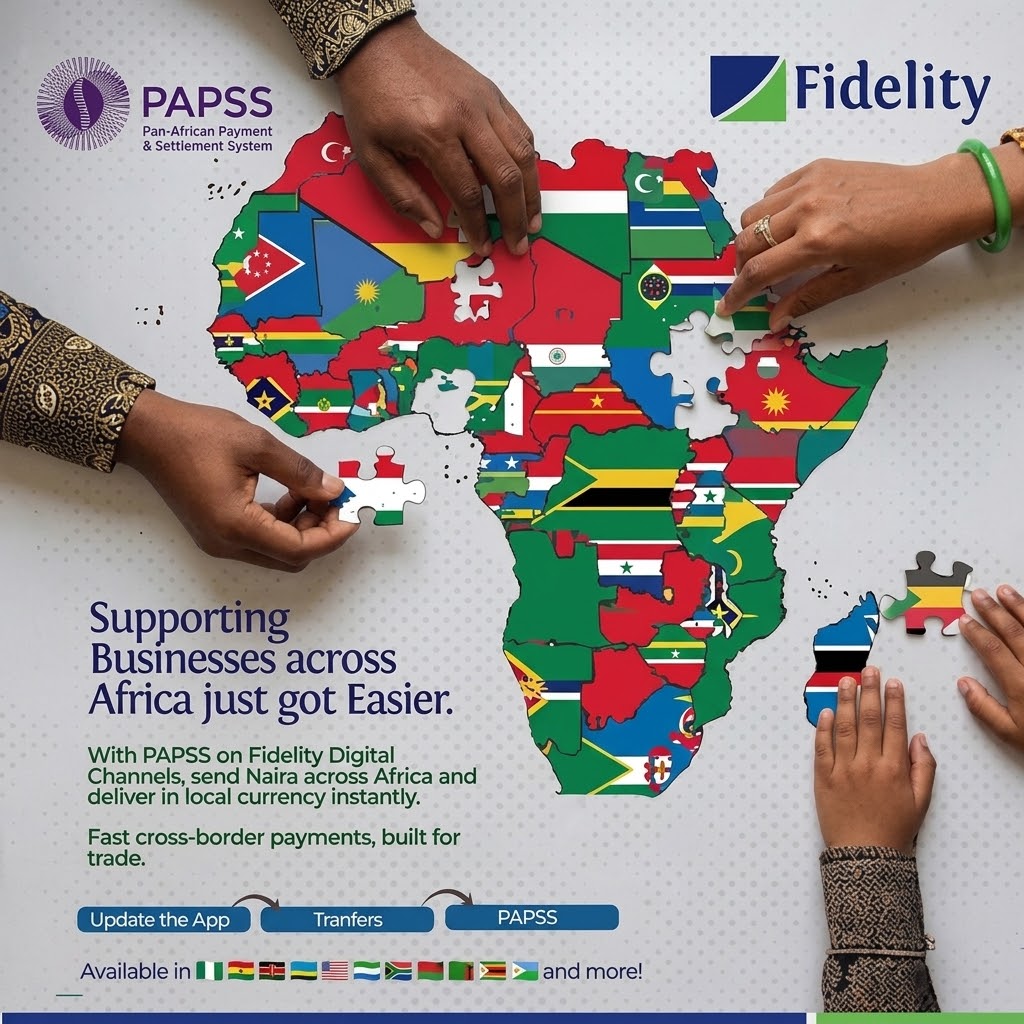
Africa Is Connecting Payment Systems: What That Could Eventually Change for Consumers
Follow TechView Africa on WhatsApp
Get TechView Africa updates on WhatsApp. Follow our channel for practical technology news, product guides and digital trends from Nigeria and across Africa.
Leave a comment
Comments cannot be edited or deleted after posting. Please review your comment before submitting.
No comments yet. Start the conversation.