

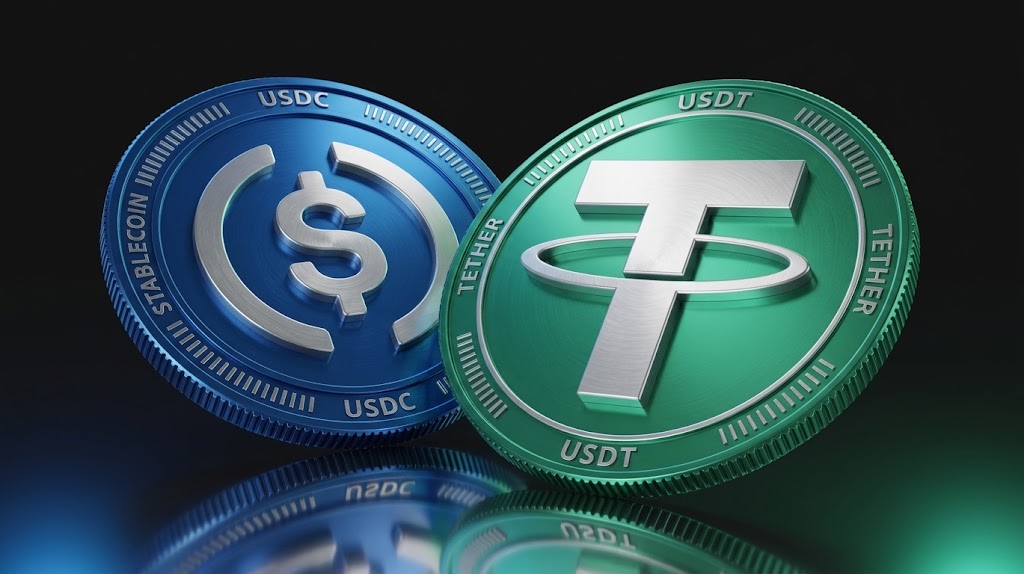
Stablecoins can make cross-border payments faster and easier, but users still face platform, regulatory, fraud, reserve and wallet-security risks.
Stablecoins are increasingly being used by Nigerians to receive money, pay overseas suppliers and move value across borders. Their appeal is easy to understand—but a token designed to track the US dollar is not the same thing as money sitting safely in a bank account.
Stablecoins have moved far beyond cryptocurrency trading in Nigeria. People and businesses increasingly use digital tokens such as USDT and USDC to receive money from abroad, pay overseas suppliers and hold dollar-linked value without relying entirely on conventional international banking channels. The scale is significant.
The International Monetary Fund's 2026 analysis of stablecoins in Nigeria says Nigeria received approximately $59 billion in crypto-asset inflows between July 2023 and June 2024. The IMF also estimates that Nigeria accounted for roughly 60% of Sub-Saharan African stablecoin inflows from late 2019 to early 2025, while stablecoins represented more than 65% of Nigeria's cross-border crypto inflows in 2024. But stablecoins are not simply digital dollars. They depend on issuers, reserves, wallets, exchanges, blockchain networks and regulatory systems that introduce risks ordinary bank customers may not immediately recognise.
What exactly is a stablecoin?
A stablecoin is a digital asset designed to maintain a relatively stable value by referencing another asset. The stablecoins most relevant to Nigeria's cross-border market are generally linked to the US dollar. If a token aims to maintain a value close to $1, it avoids some of the extreme price movements associated with cryptocurrencies such as Bitcoin. That makes it more practical for payments.
But “stable” does not mean guaranteed. The Financial Stability Board's global stablecoin recommendations highlight issues such as reserve quality, redemption rights, governance, operational resilience and transparency because stability ultimately depends on how the arrangement behind the token is managed.
Why Nigerians are using stablecoins
The first attraction is speed. Traditional international payments can move through several banks, payment companies and currency conversions before reaching the recipient. Stablecoin transfers can move across blockchain networks without following the same correspondent-banking chain. The IMF says this can allow cross-border transactions to settle faster and, in some situations, at lower cost.
The second attraction is access to dollar-linked value. Periods of naira depreciation and difficulty accessing foreign currency have increased demand for alternatives. Stablecoins give users a way to hold an asset designed to track the dollar without physically holding dollar notes. For businesses, the use case can be more practical. The IMF reports that Nigerian small and medium-sized importers increasingly use stablecoins to pay overseas suppliers, while some larger businesses have also explored them for trade settlement.
Remittances provide another use case, allowing dollar-linked digital value to move between users without relying exclusively on conventional money-transfer services.
A stablecoin is not a dollar bank deposit
This distinction is crucial. If you hold money as an eligible deposit at an insured Nigerian financial institution, that relationship exists within the country's regulated banking and deposit-insurance system. The Nigeria Deposit Insurance Corporation protects eligible deposits at insured institutions subject to applicable coverage limits.
A stablecoin held in a digital wallet is different. Its value can depend on the issuer, the reserves supporting it and the ability of holders to redeem it as expected. Consumers should therefore not assume that $1 worth of stablecoin carries the same legal and financial protection as $1 held in an insured bank account.
Your biggest risk may be the platform
Even if a stablecoin maintains its intended value, users can still lose money. A fraudulent platform can disappear. A compromised account can be emptied. Phishing sites can steal credentials. Fake tokens can imitate legitimate assets, while sending funds to an incorrect wallet address or incompatible network can make recovery difficult.
Nigeria's Securities and Exchange Commission maintains information on registered and regulated FinTech operators and advises investors to verify the regulatory status of platforms and investment-service providers through official channels. In August 2026, the SEC cleared three additional Virtual Asset Service Providers for admission into its Accelerated Regulatory Incubation Programme, including Yellow Card. The regulator explicitly notes that Approval-in-Principle is not a final licence.
That distinction is important. A company saying it is participating in a regulatory programme does not necessarily mean it has received unrestricted final approval.
Nigeria's regulatory framework is still developing
Nigeria is no longer operating under a blanket separation between banks and cryptocurrency businesses. The Central Bank of Nigeria's guidelines for bank accounts operated for Virtual Asset Service Providers provide a framework for banking relationships involving regulated VASPs. Banks and other financial institutions remain prohibited under those guidelines from holding, trading or transacting in virtual currencies on their own account.
Regulation continues to evolve, the CBN's Regulatory Sandbox includes virtual-asset and stablecoin financial services, while the SEC published proposed digital and virtual asset rules in August 2026 covering areas such as trading, custody, transfer and settlement. Those SEC rules are proposals, not final rules.
There is also a bigger economic risk
For an individual, holding dollar-linked value can look like protection against naira weakness. At national scale, widespread movement into dollar-linked stablecoins can create a different concern. The IMF refers to the possibility of digital dollarisation.
If households and businesses increasingly store and transact in dollar-linked tokens rather than naira, demand for the domestic currency can weaken and monetary policy may become harder to transmit through the economy. Stablecoins therefore solve some payment problems while potentially creating new policy challenges.
Our Recommendation
Stablecoins should be understood as payment technology with financial risks, not simply as faster digital dollars. Their popularity in Nigeria reflects genuine problems involving cross-border payment costs, settlement delays, foreign-currency access and international business payments.
But convenience does not eliminate issuer risk, fraud, wallet security, platform failure or regulatory uncertainty.
Before using a stablecoin service, verify the provider through official regulatory channels, understand who issues the asset and remember that a digital token does not automatically carry the protections associated with an insured bank deposit.
The technology can make money easier to move, that does not make every route through it equally safe.
Sources & Verification
International Monetary Fund — Stablecoins in Nigeria
Financial Stability Board — Global Stablecoin Recommendations
Nigeria Deposit Insurance Corporation — Deposit Insurance
SEC Nigeria — Additional VASPs Cleared for ARIP
SEC Nigeria — Registered FinTech Operators
Central Bank of Nigeria — Guidelines for Bank Accounts for Virtual Asset Service Providers
Central Bank of Nigeria — Regulatory Sandbox
SEC Nigeria — Proposed Digital and Virtual Asset Rules
International Monetary Fund — Nigeria 2026 Article IV Consultation
Frequently asked questions
What is a stablecoin?
A stablecoin is a digital asset designed to maintain a relatively stable value by referencing another asset, commonly a currency such as the US dollar.
Why are Nigerians using stablecoins?
Common reasons include cross-border payments, remittances, paying overseas suppliers, accessing dollar-linked value and avoiding some delays or costs associated with conventional international payment channels.
Are stablecoins banned in Nigeria?
Nigeria has regulatory frameworks covering virtual-asset activities and service providers rather than treating the entire sector as completely outside regulation. The exact rules can depend on the activity, provider and financial institution involved, and the framework continues to evolve.
Are stablecoins completely safe because their price stays around $1?
No. Price stability does not eliminate issuer, reserve, platform, cybersecurity, fraud, wallet, blockchain or regulatory risks. A stablecoin can also lose its intended peg.
Are stablecoins protected by NDIC deposit insurance?
A stablecoin held in a digital wallet is not the same as an eligible deposit held at an NDIC-insured institution. Consumers should not assume ordinary bank-deposit protection applies to stablecoin holdings.
Can stablecoins make international transfers cheaper?
They can reduce some intermediary and settlement costs, but the final cost depends on the blockchain network, platform fees, exchange rates and the cost of converting between naira, stablecoins and conventional money.
Inside the $213 Billion Payments Business Airtel Wants to Take Public
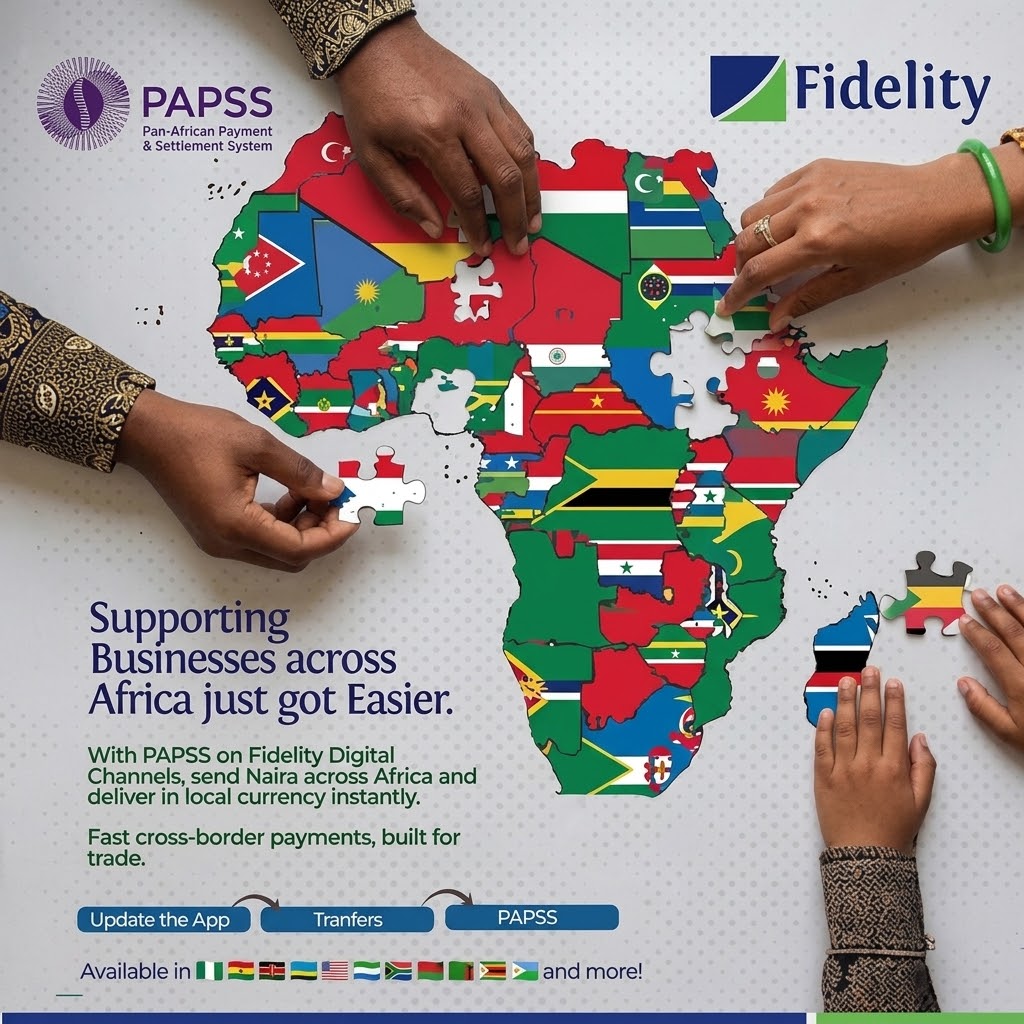
Africa Is Connecting Payment Systems: What That Could Eventually Change for Consumers

Sent Money to the Wrong Account in Nigeria? Act Fast, Here’s What to Do
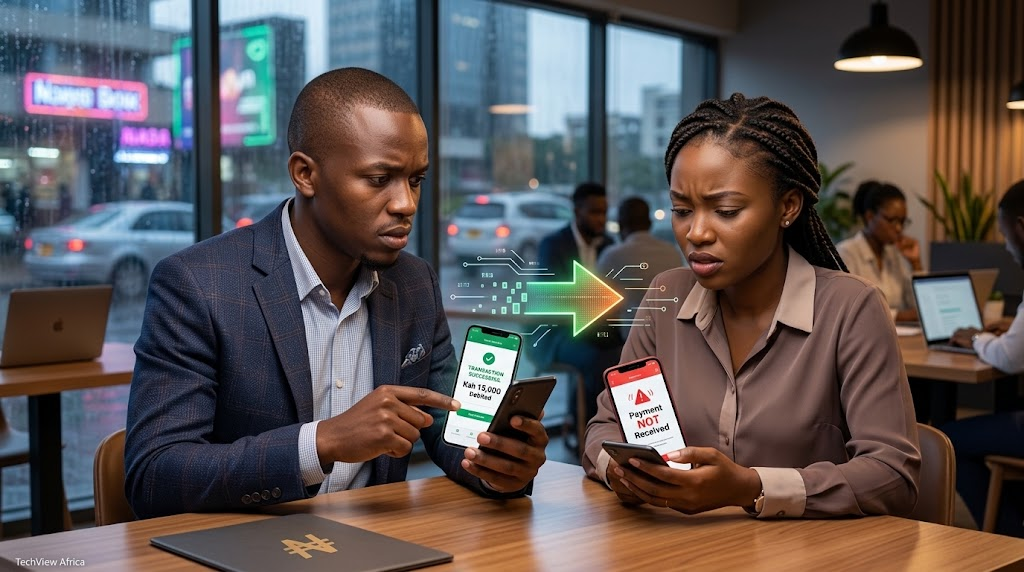
Debited but the Receiver Wasn’t Credited? Here’s What May Be Happening

Fake Bank Alert or Real Payment: Here’s How to Verify It Properly
CBN’s January 2027 Data Rule: What Nigeria’s Banks and Fintechs Actually Have to Move
Stripe and Advent Drop $53 Billion PayPal Pursuit: What It Means for African Online Payments
Follow TechView Africa on WhatsApp
Get TechView Africa updates on WhatsApp. Follow our channel for practical technology news, product guides and digital trends from Nigeria and across Africa.
Leave a comment
Comments cannot be edited or deleted after posting. Please review your comment before submitting.
No comments yet. Start the conversation.