

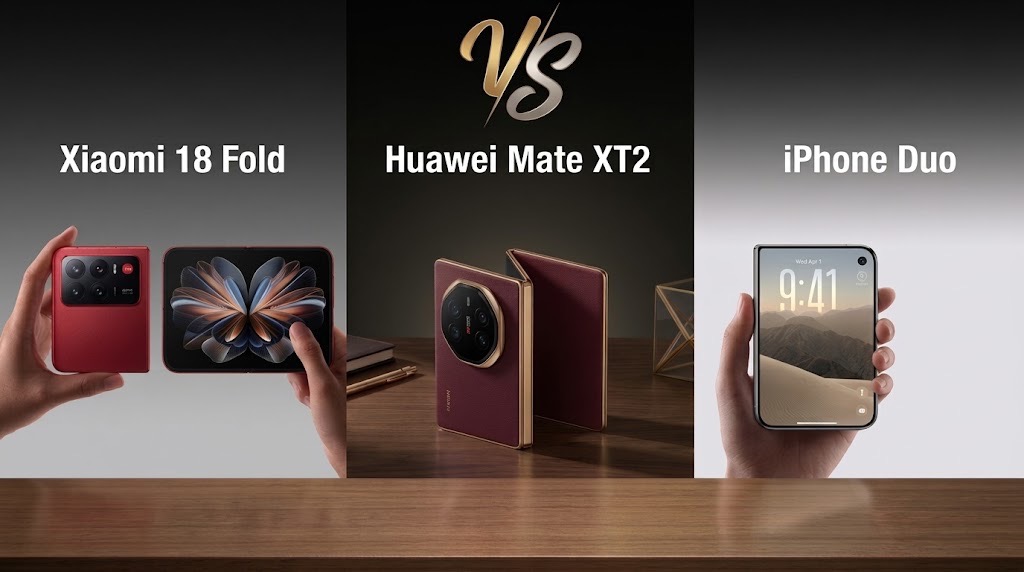
Foldables are becoming one of the smartphone industry’s biggest technology showcases, but the newest models remain difficult purchases to justify for most African consumers.
Apple Has Finally Joined Huawei and Xiaomi’s Foldable Fight
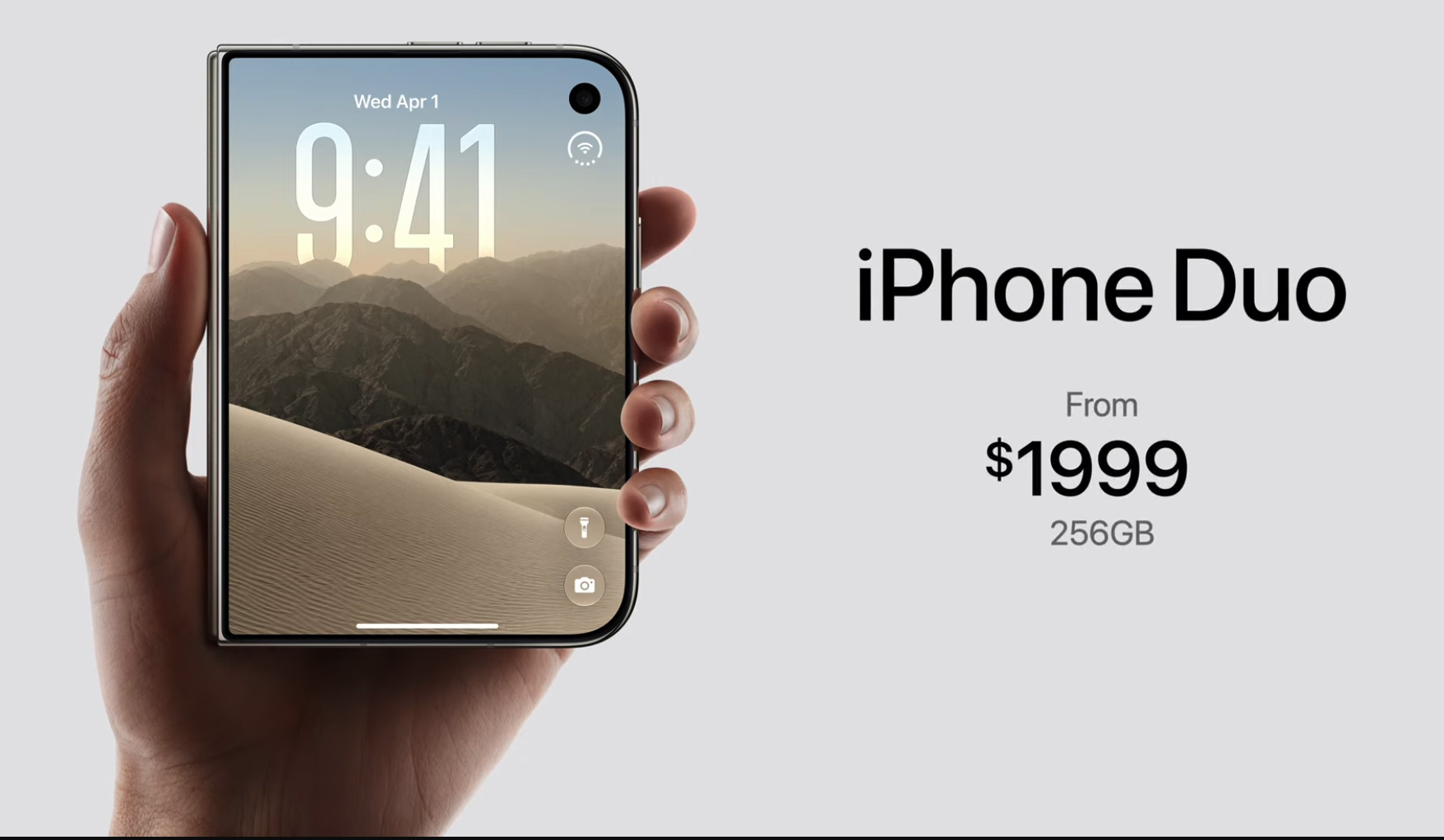
Apple’s move into foldable phones puts it directly into a premium battle with Huawei and Xiaomi. But for African buyers, the price is only the beginning of the question.
Huawei and Xiaomi have already launched foldables costing roughly $1,540 to $3,725, while Apple’s first foldable is expected to push the iPhone into the same ultra-premium territory. For African buyers, availability, warranty coverage, repairs and import costs could matter as much as specifications.
Apple’s long-awaited move into foldable phones is turning an already competitive niche into one of the biggest battles at the top of the smartphone market.
The timing is significant. Huawei and Xiaomi unveiled new foldables on September 7, only two days before Apple’s September 9 event. Reuters says foldable shipments are forecast to grow nearly 30% in 2026 even as conventional smartphone shipments decline.
For Apple, entering the category means competing against manufacturers that have spent years experimenting with flexible displays, hinges and different folding designs.
TechView Africa previously examined what to expect from John Ternus’ first major iPhone launch. The bigger question now is whether these increasingly ambitious devices make sense outside the wealthy markets they appear primarily designed for.
Huawei is pushing foldable hardware further
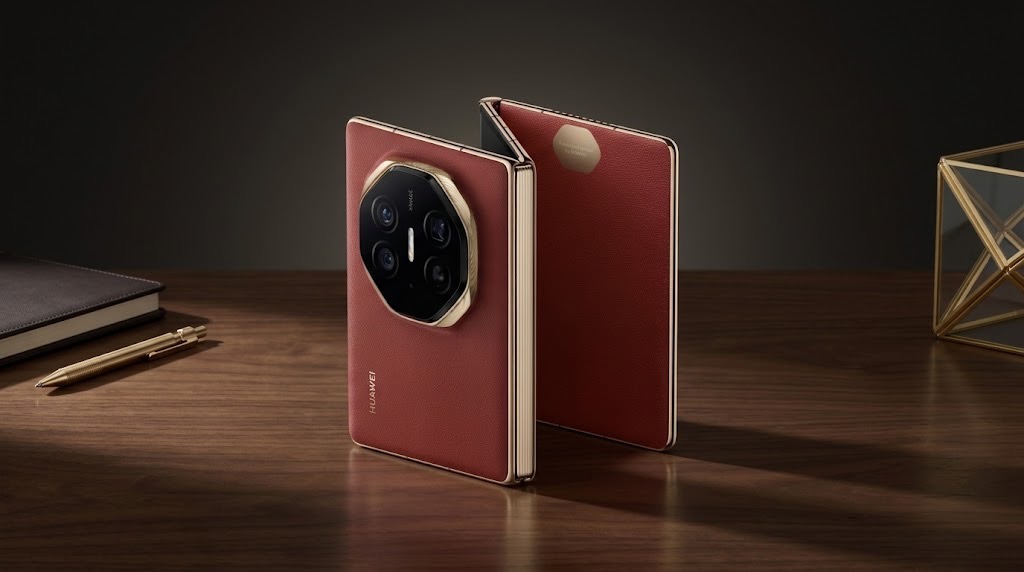
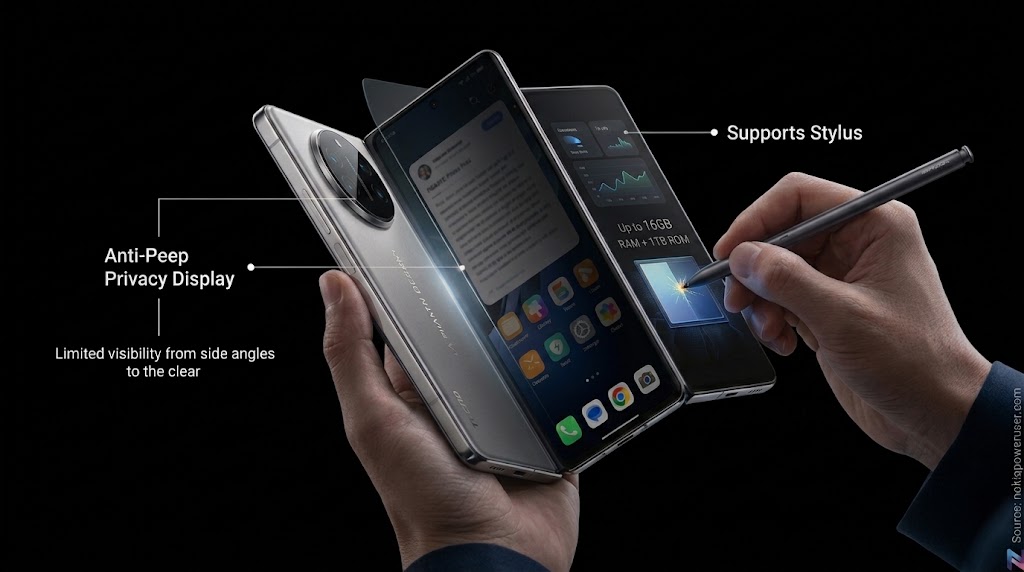
Huawei’s Mate XT2 takes perhaps the most technically ambitious approach. Instead of folding once like a book, it folds twice to create a larger tablet-style display.
Reuters reports that the Mate XT2 uses Huawei’s Kirin 9050 Pro chip, a redesigned hinge, improved water resistance and a privacy display intended to make the screen harder for nearby people to view.
The ambition comes at a substantial price.
The Mate XT2 ranges from 19,999 yuan ($2,980) to 24,999 yuan ($3,725), with sales beginning September 12.
Huawei is not experimenting from the sidelines either. Reuters reports that the company controlled 68% of China’s foldable-phone market in the second quarter of 2026.
Xiaomi is attacking from a lower price
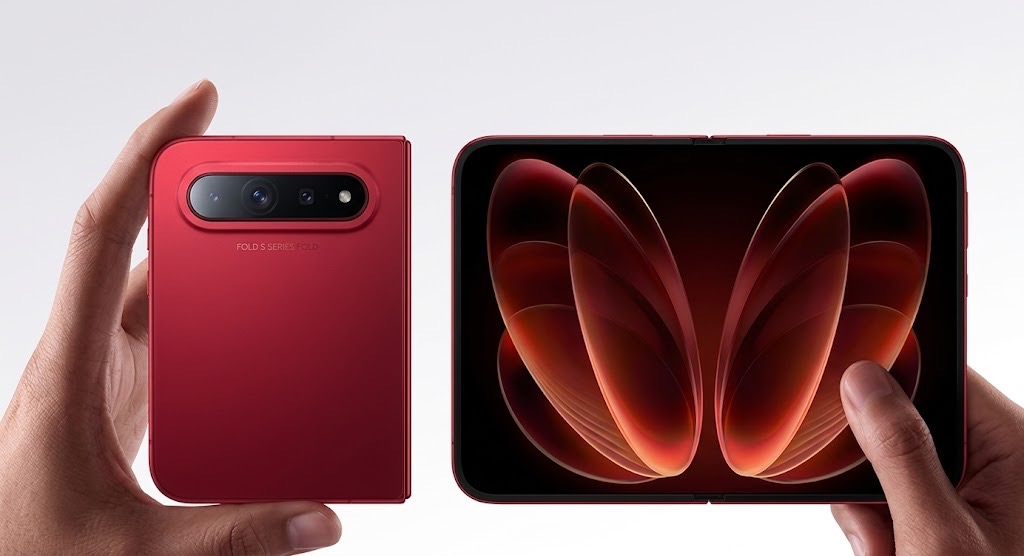
The Xiaomi 18 Fold is still extremely expensive, but its starting price is considerably below Huawei’s.
It costs between 10,999 yuan ($1,540) and 14,999 yuan ($2,100).
Xiaomi describes the device as a medium-fold design that remains relatively compact when closed while allowing three applications to run side by side when opened. It weighs 219 grams and uses Xiaomi’s own XRing O3 processor.
CEO Lei Jun says the processor can outperform Apple’s A19 Pro in responsiveness. That remains a manufacturer claim, however, rather than an independently established benchmark result.
Apple could change the scale of the market
Apple is entering much later than its competitors, but that may be precisely why its involvement matters.
Reuters notes that foldables have struggled with problems including display durability, battery performance and compromises in camera technology. Apple has had years to observe those weaknesses before entering the category.
The company’s participation could also expose foldables to a much larger group of premium smartphone buyers.
However, reported pricing above $2,000 should still be treated cautiously until Apple publishes final retail configurations and availability. Buyers should distinguish between information confirmed directly by Apple and specifications or prices reported before its official product pages are available.
African buyers face a different calculation
Even Xiaomi’s approximately $1,540 starting price puts these devices far outside Africa’s mass smartphone market.
As TechView Africa previously reported in our analysis of why budget smartphones could become more expensive, devices below $200 represented 75% of African smartphone shipments in the first quarter of 2026.
There is also more to consider than converting a US or Chinese price into naira, rand, shillings or cedis. Shipping, duties, retailer margins and exchange rates can increase the final cost. Foldables also contain flexible displays and complicated hinge systems that can make repairs particularly important.
Official distribution matters too. Our examination of Google Pixel 11 features outside the US showed why buyers importing expensive smartphones should check regional features, warranty coverage and repair support rather than focusing only on specifications.
The real impact may come later
Most African consumers probably will not buy this generation of ultra-premium foldables, but that does not make the competition irrelevant.
Huawei is pushing the physical design further, Xiaomi is applying price pressure, and Apple’s entry could bring foldables closer to the technological mainstream.
The bigger benefit may therefore arrive later, as improvements in flexible displays, batteries, multitasking and hinge durability move into less expensive devices.
For most African buyers today, though, the conclusion is simpler: these are fascinating smartphones to watch, but difficult purchases to justify.
Sources & Verification
Apple — September 9 Special Event
Reuters — Huawei and Xiaomi Launch New Foldable Smartphones Ahead of Apple Event
Reuters — A Brief History of Foldable Phones as Apple Prepares to Enter the Market

Meta Charm Has Its Own 5G Connection. What Can It Do That Your Phone Cannot?
We Checked What It Costs to Repair 20 Popular Smartphones in Nigeria: Screens Are the Expensive Part
Huawei’s Mate XT2 Folds Twice and Shows How Fast Premium Smartphones Are Changing

Apple Has a New Boss: What to Expect From John Ternus’ First iPhone Launch on September 9

Google’s Pixel 11 Is Here—Which New Features Actually Matter Outside the US?
Budget Smartphones Could Become More Expensive, Here’s What Buyers Should Watch

Spotify Audiobooks Are Now in Nigeria: Prices, Listening Limits and How It Works
Follow TechView Africa on WhatsApp
Get TechView Africa updates on WhatsApp. Follow our channel for practical technology news, product guides and digital trends from Nigeria and across Africa.
Leave a comment
Comments cannot be edited or deleted after posting. Please review your comment before submitting.
No comments yet. Start the conversation.