

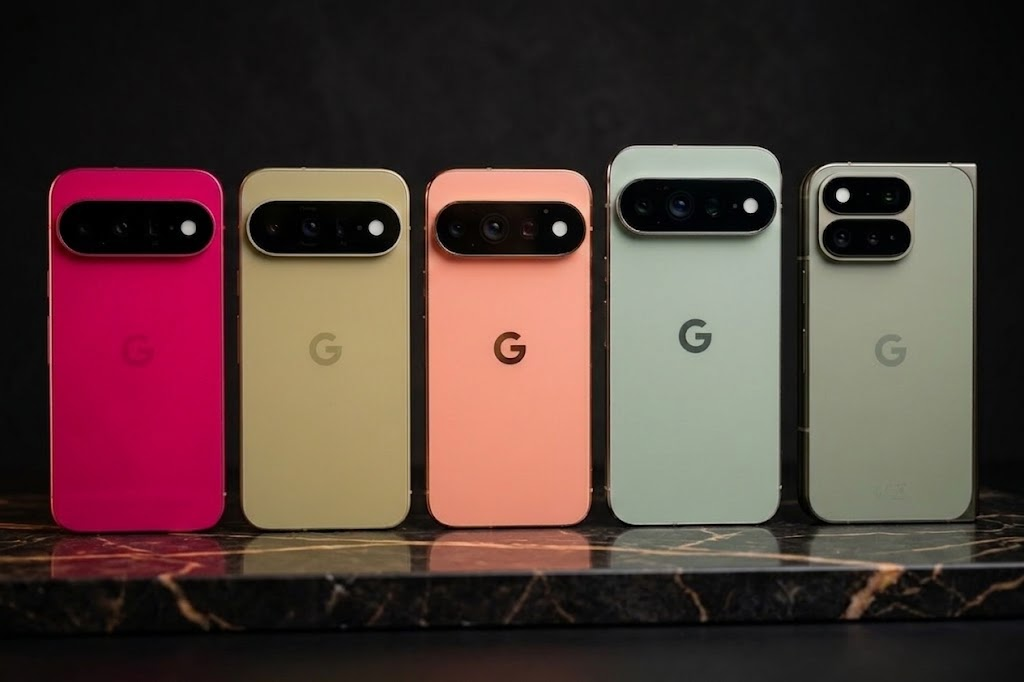
The Google Pixel 11 may work in Nigeria, but not every advertised feature will. Buyers should verify regional AI and calling restrictions, 5G compatibility, warranty coverage and repair options before importing one.
Google's Pixel 11 looks like an attractive upgrade on paper. It introduces Google's Tensor G6 processor, improved camera capabilities, new Gemini-powered features and seven years of promised software updates.
But buying the phone outside Google's official markets involves a question that its headline specifications cannot answer: will the features advertised actually work in your country?
For buyers in Nigeria, the answer is mixed. The hardware is capable, but several of Google's most prominent AI, calling and emergency features have geographical or language restrictions. Local warranty and repair arrangements also deserve attention.
The difference between owning a Pixel 11 and accessing the complete Pixel experience is worth understanding before spending money on an imported device.
1. Google's new AI features have a geographical catch
One of the Pixel 11's more interesting additions is Rambler, a Gemini-powered voice-input feature integrated into Gboard.
Unlike conventional dictation, which primarily converts speech into text, Rambler can remove filler words, improve punctuation, restructure sentences and accept spoken editing instructions.
It could be useful for professionals who write messages, prepare documents or communicate frequently on their phones.
However, Google's published language list includes English, Arabic, French, German, Hindi and other supported Indian languages, Italian, Japanese, Korean, Portuguese, Russian and Spanish.
Yoruba, Igbo, Hausa, Nigerian Pidgin and Swahili are not included in that list.
Rambler also needs an internet connection for its complete functionality. Limited offline processing remains available, but advanced rewriting and conversational editing require connectivity.
For African users, this creates a practical limitation: a sophisticated voice-writing feature does not automatically become a useful multilingual African communication tool. Our previous examination of whether AI understands African languages well enough for everyday use provides useful context for this limitation.
2. Proactive Assistance is not available everywhere
Google's Proactive Assistance feature uses information such as notifications, screen content, location and connected applications to generate contextual suggestions.
For example, Gemini might recognise a flight mentioned in a conversation and offer relevant information.
The feature requires users to be at least 18 and signed into a personal Google Account.
Google currently lists availability in seven markets: Australia, Canada, India, Japan, Malaysia, Singapore and the United States, with language restrictions. Nigeria and other African countries are absent.
This is important because Proactive Assistance is one of the features that makes Google's AI experience feel more personalised. Its absence means buyers in unsupported countries cannot assume that purchasing the same hardware delivers the same experience.
3. Call Screen and Satellite SOS have more serious restrictions
Call Screen: Google's Call Screen lets the phone answer an incoming call, ask the caller to identify themselves and provide the owner with a transcript.
However, Google's published country list for manual Call Screen does not include Nigeria. It also requires a SIM from a supported country. Pixel 11's additional call-action options have an even narrower requirement: a US SIM card and English as the device language.
A Nigerian buyer should therefore not purchase the phone expecting the complete US call-screening experience.
Satellite SOS: Satellite SOS is another advertised safety feature that needs geographical qualification.
Although Google lists it among Pixel 11's capabilities, its published availability covers selected markets in North America, Europe and Australia. No African country appears on the current list.
Owning compatible hardware does not establish access to an operational satellite emergency service.
4. Some of the most visible upgrades are reserved for Pro models
Another potential source of confusion is the difference between the standard Pixel 11 and its more expensive siblings.
Google's HiLight, which uses subtle lighting effects to communicate notifications and Gemini activity when the phone is face down, is available on the Pixel 11 Pro, Pro XL and Pro Fold.
Buyers comparing advertised Pixel 11 features should check the specifications of the particular model they intend to purchase.
The standard Pixel 11 still offers substantial hardware improvements, including a 50-series-class camera system with a 5x telephoto camera, Tensor G6 and Pixelsnap wireless charging. However, buyers should not assume every Pro-exclusive feature is included.
5. Can the Pixel 11 work with Nigerian 5G networks?
There is a more encouraging development here, Google's published specifications distinguish between US and rest-of-world Pixel 11 models. The ROW model supports 5G sub-6GHz band n78, alongside several other bands, which is relevant to Nigeria's 3.5GHz 5G environment.
However, frequency compatibility alone does not guarantee 5G service. Google explicitly warns that carrier support, regional availability and enabled device bands affect connectivity.
Buyers considering Airtel should examine our guide to whether their smartphone can actually benefit from Airtel's 5G expansion. Also check the exact model number before purchasing. Google's specifications list dual eSIM for the US version, while the ROW version supports one physical nano-SIM and an eSIM. For Nigerian buyers who rely on physical SIM cards, that makes particular sense.
6. Seven years of updates, but what about repairs?
Google promises seven years of operating-system, security and Pixel Drop updates for the Pixel 11.
However, that period begins when the device first became available on the Google Store in the US, rather than when an individual Nigerian buyer imports it.
Google's published Pixel 11 warranty information lists specific countries for its one-year and two-year warranty arrangements. Nigeria does not appear in either list.
Its standard mail-in and walk-in repair-country lists also exclude Nigeria. Google advises customers outside those markets to contact Pixel support for repair options.
This does not establish that an imported Pixel cannot be repaired in Nigeria. Independent repair providers may offer services, and Google may advise on individual cases. But buyers should not assume that an official local repair route exists. Our investigation into smartphone repair costs in Nigeria explains why repair availability deserves consideration alongside purchase price.
Our Recommendation: Check the ownership experience, not just the specifications
The Pixel 11 could still be an excellent smartphone for an African buyer, particularly someone who values Google's camera system, Android experience and long software-support commitment.
But before buying one, check five things:
- Exact model: Confirm whether it is the US or ROW version.
- Network compatibility: Verify the supported 5G bands and carrier compatibility.
- AI availability: Check Google's country and language restrictions for the features you actually intend to use.
- Warranty: Obtain written confirmation of who will handle a defective device.
- Repairs: Establish the availability and cost of replacement screens, batteries and other components.
The biggest consideration is not whether the Pixel 11 can function in Nigeria. Its basic smartphone capabilities can still make it a compelling device. It is whether the additional features justify the price when some of Google's most heavily promoted services remain unavailable in the buyer's market. For African consumers, that is a more useful measure of the Pixel 11 than its American launch presentation.
Frequently asked questions
Is the Google Pixel 11 officially available in Nigeria?
Nigeria is not included in Google's published list of countries where the Pixel 11 can be purchased through the Google Store. Nigerian buyers will therefore generally encounter imported units and third-party retailers. Before purchasing, confirm the phone's exact model, country of origin, return policy and warranty terms.
Will the Google Pixel 11 work with Nigerian 5G networks?
The rest-of-world Pixel 11 model, GUJ0N, supports 5G band n78, which is relevant to Nigeria's 3.5GHz 5G spectrum environment. However, band compatibility alone does not guarantee a connection. Network coverage, carrier support, the specific device variant and enabled bands can all affect service. Confirm compatibility with your network operator before buying.
Which Google Pixel 11 AI features may be restricted in Nigeria?
Some features have country or language restrictions. Google's current Proactive Assistance availability list does not include Nigeria, while Nigeria is also absent from the supported-country list for manual Call Screen. Rambler supports English and several other languages, but Yoruba, Igbo, Hausa, Nigerian Pidgin and Swahili are not on Google's published list of languages for which it has been tuned.
Can I use Satellite SOS or access Google's repair services in Nigeria?
Google's current Satellite SOS availability list does not include Nigeria or another African country. Google's published mail-in and walk-in Pixel repair locations also do not include Nigeria. Customers outside those repair markets are advised to contact Pixel support for available options. Buyers should also obtain written confirmation of any warranty or repair commitment offered by their retailer.
Apple's Touchscreen MacBook Pro: Who Should Pay the $400 Premium?
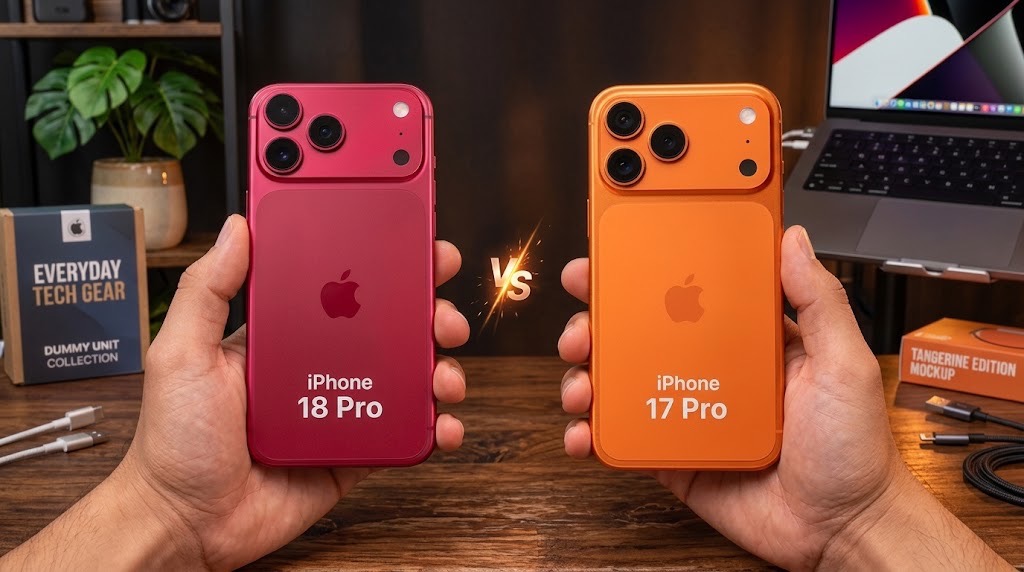
iPhone 18 Pro vs iPhone 17 Pro: What Changed, and Is It Worth Upgrading?
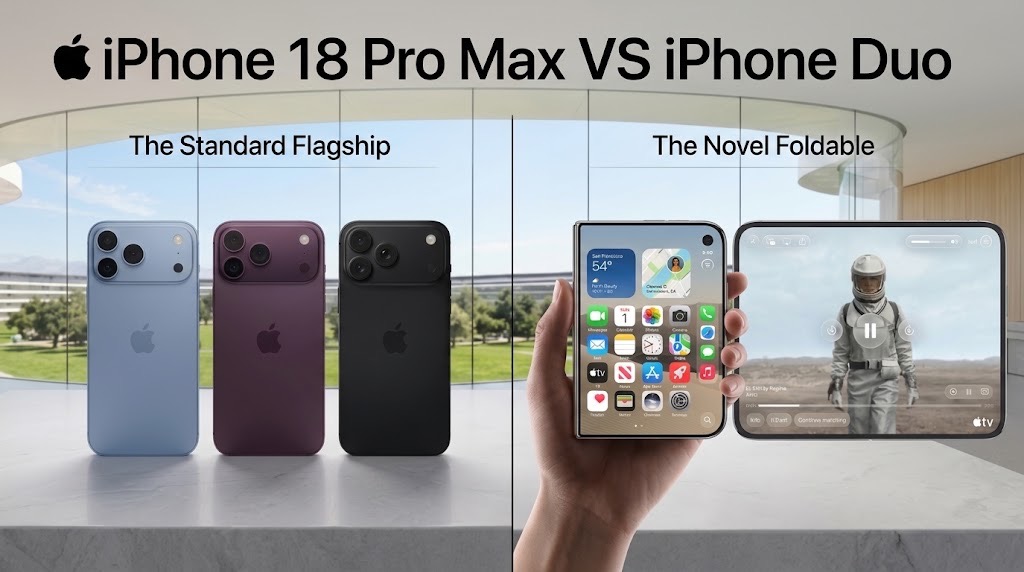
iPhone Duo vs iPhone 18 Pro Max: Foldable Screen or Apple’s Best Conventional iPhone?
Tecno Phone Prices in Nigeria (2026): What Current Models Actually Cost
Redmi Phone Prices in Nigeria (2026): Current Models and What They Cost
Best Affordable Smartwatches for Notifications and Basic Fitness Tracking
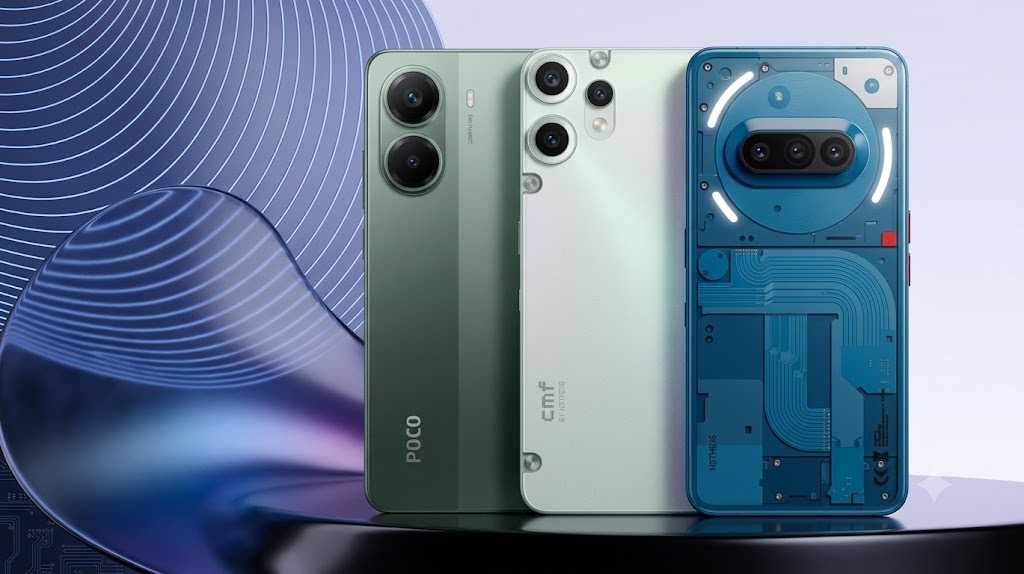
Budget Smartphones in Nigeria Could Cost More. How to Avoid Paying More for Less
Follow TechView Africa on WhatsApp
Get TechView Africa updates on WhatsApp. Follow our channel for practical technology news, product guides and digital trends from Nigeria and across Africa.
Leave a comment
Comments cannot be edited or deleted after posting. Please review your comment before submitting.
No comments yet. Start the conversation.