

Nigeria recorded 67,518 reported digital-payment fraud incidents in 2025, while losses fell 51% to ₦25.85 billion. A TechView Africa review of 11 selected ngCERT advisories published between April 30 and September 2, 2026 found that phishing or social engineering featured in eight, while credential theft or account compromise featured in eight. Four also referenced AI as part of the attack method or deception.
Nigeria Digital Fraud Report 2026: What 67,518 Cases Reveal About the Scams Targeting Consumers
Nigeria’s digital-payment fraud numbers improved in 2025, but the methods highlighted in 2026 cybersecurity warnings suggest criminals are increasingly relying on deception, stolen identities and compromised accounts rather than only technical attacks.
NIBSS says reported digital-payment fraud incidents fell from 123,918 in 2021 to 67,518 in 2025, including a 4% decline from 2024. Losses also dropped from ₦52.26 billion in 2024 to ₦25.85 billion in 2025. That is encouraging, but it needs context. NIBSS said the unusually high 2024 loss figure was heavily affected by one ₦31.1 billion fraud incident, while fraud reporting itself fell 34% in the final quarter of 2025. The decline therefore should not be read as proof that Nigerians face half as much fraud risk.
What TechView Africa found in the 2026 alerts
To look beyond the banking totals, TechView Africa reviewed 11 ngCERT advisories involving phishing, social engineering, credential theft, account compromise or related digital-fraud exposure between April 30 and September 2.
Eight of the 11 involved phishing or another form of social engineering, including fake login flows, deceptive CAPTCHA or error prompts and impersonation. Eight involved stolen credentials, credential harvesting or account compromise. Four referenced AI, including AI-driven attack techniques, AI-generated obfuscation, prompt-injection phishing and AI-assisted impersonation.
This is not a prevalence survey: ngCERT advisories highlight notable threats; they do not count every scam reported by Nigerian consumers. Still, the pattern reinforces NIBSS’s warning that social engineering remains the most common fraud technique, alongside evolving risks such as SIM-swap fraud, account compromise and phishing.
Why identity is becoming the battleground
Recent advisories show how varied those attacks can be. In June, ngCERT warned that Tycoon2FA could trick users into entering device codes on Microsoft’s legitimate login page, potentially bypassing conventional multi-factor authentication. Another warning described stolen email-password combinations being used for credential stuffing and account takeover.
By August, ngCERT said business-email compromise and social-engineering attacks were extending into smishing, vishing, fraudulent websites, credential harvesting and AI-assisted impersonation. The lesson for consumers is that a scam no longer needs to look obviously fake; it may arrive through a familiar account, a convincing login screen, a phone call or a message designed to create urgency.
Nigeria is improving, but caution still matters
There is real progress. NIBSS said coordinated industry action prevented about ₦20 billion in potential losses during 2025.
For consumers, however, the strongest defence remains behavioural: verify unusual payment requests through a separate channel, avoid reusing passwords, enable stronger account security where available, and never approve a login or transaction simply because a message appears urgent.
Our Recommendation
Nigeria’s fraud numbers show improvement, but the 2026 threat picture argues against complacency. Banks and fintechs can strengthen identity controls, yet criminals increasingly try to persuade users to defeat those controls themselves.
Treat passwords, account-recovery methods and approval prompts as financial assets, not just technical details.
Sources & Verification
ngCERT — Business Email Compromise and Social Engineering Attacks
ngCERT — Risks of Stolen Email Credentials
ngCERT — SniperDz Phishing-as-a-Service Warning
Frequently asked questions
Are the 67,518 cases all cyber scams in Nigeria?
No. They are reported digital-payment fraud incidents recorded by NIBSS for 2025, not every cybercrime or scam affecting Nigerians.
Did fraud losses really fall by 51%?
Yes. NIBSS reported a decline from ₦52.26 billion in 2024 to ₦25.85 billion in 2025, although 2024 was distorted by one unusually large incident.
What appeared most often in TechView Africa’s review?
Phishing/social engineering and credential or account compromise each appeared in eight of the 11 selected ngCERT advisories. The categories overlap.
Nigeria Is Turning SIM Swaps Into Bank Fraud Red Flags
Fake Bank Alert or Real Payment: Here’s How to Verify It Properly
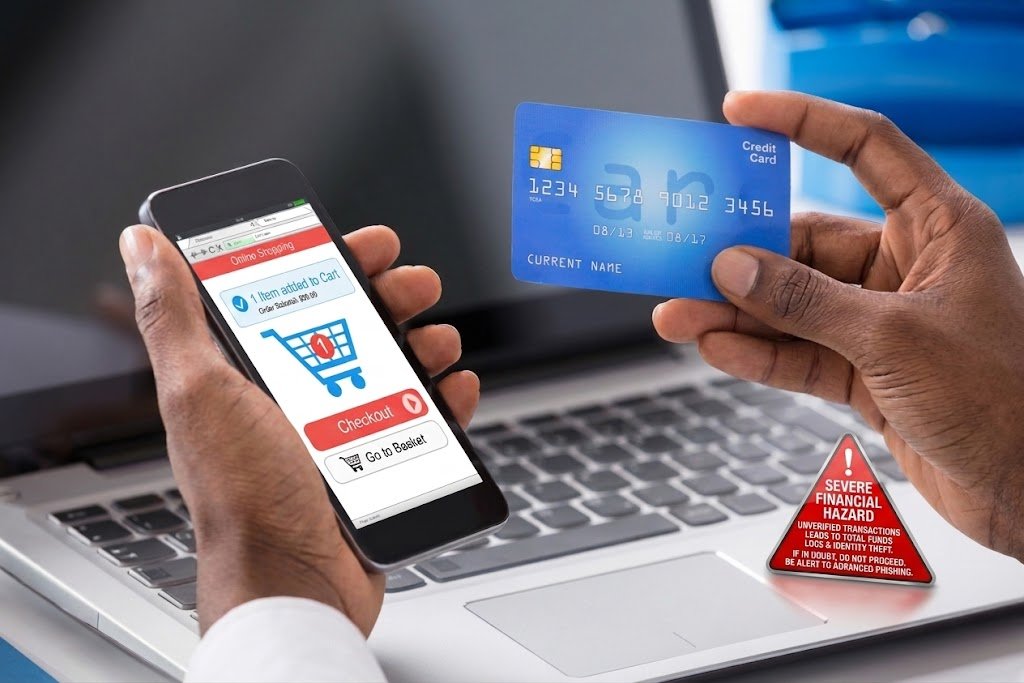
How to Check Whether an Online Store Is Genuine Before Sending Money
Can You Disable Instant Bank Transfers in Nigeria? CBN Rules Explained
Nigeria Wants Banks and Telcos to Ask Before Checking Your NIN
We Analysed 200 Spam Messages Sent to Nigerians: Here’s How Fraudsters Try to Make People Act
CBN’s January 2027 Data Rule: What Nigeria’s Banks and Fintechs Actually Have to Move
Follow TechView Africa on WhatsApp
Get TechView Africa updates on WhatsApp. Follow our channel for practical technology news, product guides and digital trends from Nigeria and across Africa.
Leave a comment
Comments cannot be edited or deleted after posting. Please review your comment before submitting.
No comments yet. Start the conversation.