

OPay says it remains fully operational in Nigeria and has no plans to suspend its services. A viral notice claiming customers needed to withdraw their money before a September 1 shutdown was false, according to the company.
OPay Not Shutting Down in Nigeria, Here’s What Customers Should Know
OPay has rejected a viral notice claiming that it was going on an indefinite break in Nigeria from September 1, saying its services remain operational. The fintech has since escalated the matter to law enforcement and says it is taking legal action over the false information.
No, OPay is not shutting down in Nigeria. A message circulated on social media claiming that OPay would begin an indefinite break on September 1, 2026, stop processing transactions and suspend account-related services. The message also encouraged customers to remove their funds before the supposed shutdown.
OPay denied the claim before the date arrived, describing the circulating notice as false and telling customers to rely on its official communication channels rather than unverified posts.
The claim can now be checked against something even more straightforward: September 1 has passed, and OPay says its services have continued operating normally. At a live town hall in Lagos on September 2, OPay's Chief Operating Officer and Chief Technology Officer, Dotun Adekunle, reiterated that the company had made no decision to leave Nigeria, suspend transactions or take an indefinite break. The News Agency of Nigeria's report from the event also said OPay assured customers and merchants that its operations remained active.
Where did the OPay shutdown claim come from?
The confusion followed a notice circulated on social media and presented as an official communication from OPay Digital Services Limited.
According to TheCable Fact Check's examination of the viral notice, it claimed that OPay would begin a "long indefinite break" on September 1 and would stop attending to transactions and account-related services until further notice. The notice went further by urging customers to remove their funds to avoid inconvenience.
That was particularly significant because messages concerning access to people's money can create urgency and encourage people to act before checking whether the information is genuine.
OPay subsequently said the notice did not originate from the company and advised customers to verify information through its official communication channels.
OPay says its Nigerian operations remain active
OPay did not limit its response to an initial social-media denial. During its September 2 town hall, the company publicly reaffirmed that it remained operational and had no plans to discontinue its Nigerian services. Premium Times reported from the event that Adekunle said there was no company decision to shut down or take an indefinite leave.
OPay also said transaction activity and merchant payments had continued despite the rumour. This distinction matters: there is a difference between a temporary service problem, a regulatory restriction affecting particular services and a company shutting down its entire operation. The viral message specifically claimed OPay would cease processing transactions from September 1, and OPay has explicitly rejected that claim.
The company says law enforcement is now investigating
The story has also moved beyond OPay simply correcting misinformation. At the town hall, OPay said it had engaged relevant authorities over the circulation of the false notice and provided evidence to assist an investigation. Its Chief Legal Counsel, Akinfolabi Rokosu, said the Department of State Services and Nigeria Police Force were investigating the matter.
OPay also said it was pursuing legal action against people it alleges were responsible for deliberately creating or circulating the false information, with reporting published on September 4 reiterating the company's position.
Those legal and investigative processes should be treated separately from the established fact that OPay denied the shutdown notice. An investigation being underway does not establish who created the original message or determine anyone's legal responsibility; those questions depend on the outcome of the investigative and judicial processes.
What should OPay customers do?
Customers do not need to withdraw or transfer money merely because of the shutdown notice that circulated online. OPay has rejected the notice, and the September 1 date mentioned in it has already passed without the claimed shutdown taking place.
The episode does, however, provide a useful reminder about how to handle alarming financial messages. Before moving money because of a WhatsApp message, X post, TikTok video or screenshot, check whether the announcement appears on the financial institution's official channels. For information that supposedly involves a major regulatory decision, customers should also look for confirmation from the relevant Nigerian regulator rather than relying on a forwarded screenshot.
Be especially cautious when a message creates artificial urgency by telling you to move money immediately, click a link, contact an unfamiliar number or provide account information.
OPay's own security guidance warns customers to safeguard their accounts and not share sensitive card, login or authentication information. A genuine-looking logo, company colours and formal wording are not enough to prove that a screenshot came from the organisation whose name appears on it.
Be careful of scams that could follow the rumour
There is another reason customers should remain cautious even after the original shutdown claim has been debunked. Major rumours involving financial institutions can create opportunities for impersonators. Someone who has already seen a frightening message about an account may be more likely to trust a follow-up message claiming to offer help, account migration, emergency withdrawals or verification.
Customers should therefore be suspicious of anyone asking for a password, PIN, one-time password or other sensitive authentication information in connection with the supposed shutdown.
Do not use phone numbers or links contained in an unverified viral message to contact a financial institution. Instead, open the official app or independently visit the company's verified website or support channels.
Why this matters beyond OPay
The incident highlights a wider challenge for Nigeria's increasingly digital financial system. Millions of people and businesses depend on mobile payment platforms for transfers, merchant payments and other everyday transactions, which means false information about a large financial service can spread quickly and potentially influence real financial decisions.
At OPay's town hall, an industry representative from the Association of Licensed Mobile Payment Operators argued that false information about a major payment provider can weaken confidence in the wider digital-payment ecosystem.
That concern does not mean financial institutions should be protected from legitimate criticism or scrutiny. Customers and journalists should continue questioning service failures, regulatory problems, security incidents and other issues when there is credible evidence. The important distinction is between verified reporting and an unsupported message presented as an official announcement.
Our Recommendation
If you use OPay, there is currently no verified announcement saying that the company is shutting down its Nigerian operations. OPay says the opposite: its services remain operational and it intends to continue operating in the country.
The safest response to similar rumours is not panic, but verification. Check the company's official channels, look for confirmation from regulators or credible news organisations, and avoid making financial decisions solely because a forwarded message tells you that something urgent is about to happen.
Most importantly, never give someone your PIN, password, OTP or other sensitive account information because they claim your financial provider is shutting down or that your money needs to be "secured."
Sources & Verification
News Agency of Nigeria — OPay Debunks Viral Shutdown Report
TheCable Fact Check — Notice of Shutdown False, Says OPay
Premium Times — SSS, Police Investigating Those Behind Viral Shutdown Claim
Frequently asked questions
Is OPay shutting down in Nigeria?
No. OPay has publicly denied the viral shutdown claim and says its Nigerian operations remain fully active.
Was OPay supposed to stop transactions on September 1, 2026?
That was the claim contained in the false notice. September 1 has passed, and OPay says its services continued operating normally.
Do OPay customers need to withdraw their money because of the viral notice?
OPay has not issued an instruction telling customers to withdraw their funds because it is shutting down. The company says the notice making that claim was false.
Are the authorities investigating the OPay shutdown rumour?
OPay says the Department of State Services and Nigeria Police Force are investigating the circulation of the false information and that it has supplied evidence to the authorities. The investigation should not be taken as proof that any particular person is responsible until the relevant legal processes establish that.
How can I verify future announcements about OPay?
Check OPay's official website, app and verified communication channels rather than relying on forwarded screenshots or social-media posts. For claims involving regulatory action, also look for information from the relevant Nigerian regulator and established news organisations.

Inside the $213 Billion Payments Business Airtel Wants to Take Public
What Happens to Customer Money When a Fintech App Shuts Down?
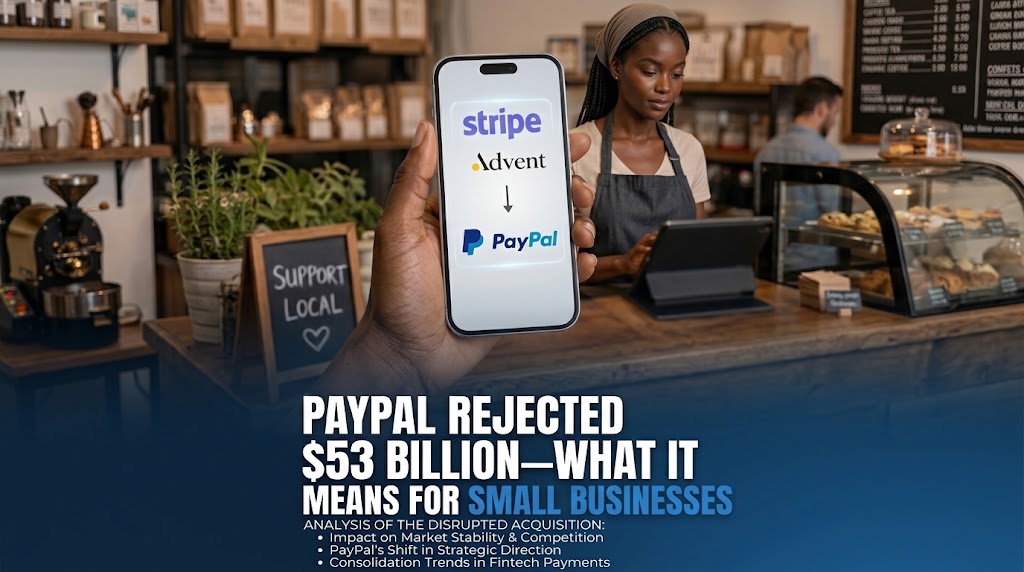
Stripe and Advent Drop $53 Billion PayPal Pursuit: What It Means for African Online Payments

Could Stripe Buying PayPal Finally Make Online Payouts Easier in Africa

Africa Is Connecting Payment Systems: What That Could Eventually Change for Consumers

Paystack vs Flutterwave in Nigeria: What Your Business Keeps After Payment Fees
CBN’s January 2027 Data Rule: What Nigeria’s Banks and Fintechs Actually Have to Move
Follow TechView Africa on WhatsApp
Get TechView Africa updates on WhatsApp. Follow our channel for practical technology news, product guides and digital trends from Nigeria and across Africa.
Leave a comment
Comments cannot be edited or deleted after posting. Please review your comment before submitting.
No comments yet. Start the conversation.