

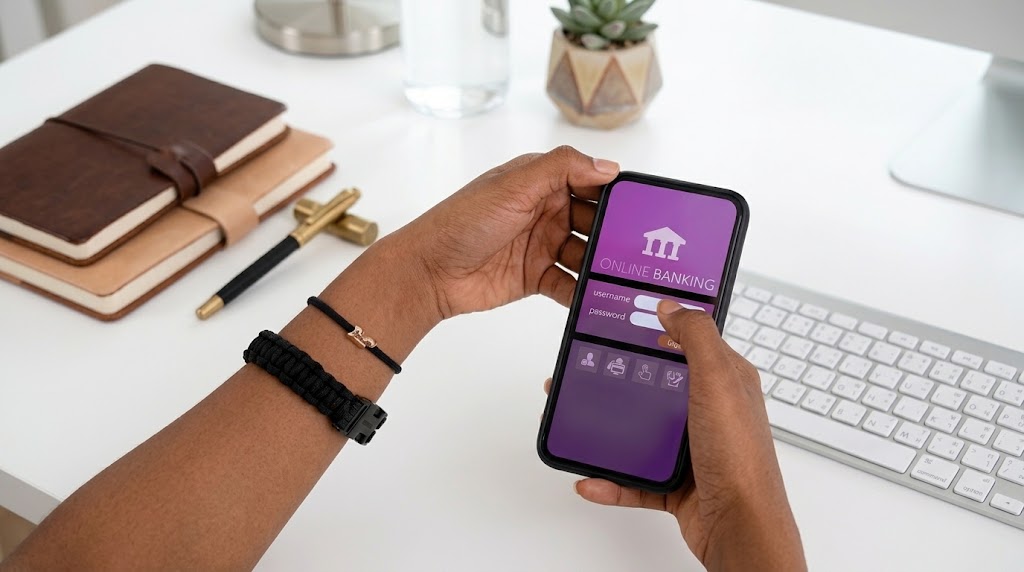
A fintech app disappearing does not automatically make customer balances disappear. The important questions are whether the company is regulated, what type of licence it operates under and whether your money is legally held by the fintech, a bank, a payment service bank or another regulated institution.
Does Your Money Disappear When a Fintech App Shuts Down?
Seeing a fintech app suddenly stop working can be frightening when your money is still inside it. But an app shutting down does not automatically mean customers have lost their balances; what happens next depends on how the company is regulated and where the money is actually held.
If a fintech company stops operating, customers should not assume that the balance shown in the app simply becomes company property. However, there is no single rule covering every fintech because Nigerian digital-finance companies operate under different arrangements. Some are licensed banks or Payment Service Banks, some operate mobile-money services, while others provide technology or payment services without being deposit-taking banks. The Central Bank of Nigeria maintains a list of licensed payment service providers, which makes identifying the institution behind an app an important first step.
The app and the institution holding your money may be different
What you see on your phone is only the customer interface. Behind it may be a licensed bank, microfinance bank, Payment Service Bank, Mobile Money Operator or another financial institution. This distinction becomes critical if the app closes.
For example, CBN rules allow Payment Service Banks to accept deposits, and those deposits are covered by the deposit-insurance system. Mobile-money arrangements can work differently: customer balances may be held in pooled trust accounts at insured financial institutions.
The Nigeria Deposit Insurance Corporation explains that mobile-money pool accounts are maintained on behalf of subscribers, with individual beneficiaries receiving protection through the applicable pass-through insurance arrangement. So an app becoming inaccessible is not necessarily the same thing as the institution holding the underlying money becoming insolvent.
What if the financial institution itself fails?
This is where deposit insurance becomes particularly important. NDIC currently provides different maximum insurance limits depending on the type of institution. Under its revised deposit-insurance coverage, coverage includes up to ₦5 million per depositor at Deposit Money Banks, ₦2 million at Microfinance Banks, ₦2 million at Payment Service Banks, and pass-through coverage of up to ₦5 million per subscriber per licensed Mobile Money Operator, subject to the applicable rules.
Insurance does not necessarily mean every balance above those limits disappears. When an insured institution is liquidated, amounts exceeding the insured limit can potentially be recovered later from the institution's assets. That process is visible in the Heritage Bank liquidation, where the NDIC has continued paying liquidation dividends to eligible customers whose balances exceeded the ₦5 million insured limit.
What should you do if a fintech suddenly shuts down?
First, preserve evidence. Keep screenshots of your balance, account number, transaction history and any emails or notifications announcing the closure.
Next, determine the company's actual regulated entity and check whether it appears on the CBN's licensed-provider records or the NDIC's insured-institution verification service.
Follow official withdrawal or claims instructions rather than messages circulating through WhatsApp or social media, because a fintech collapse can also create opportunities for scammers pretending to process refunds. If a CBN-regulated institution fails to resolve a legitimate complaint, the CBN's complaints procedure allows customers to escalate unresolved cases after first complaining to the financial institution.
Our Recommendation
Before keeping substantial money in any fintech app, find out which legal institution actually holds your funds.
Do not rely solely on a familiar logo, impressive app or large social-media presence. Check the company's regulatory status and understand whether your balance qualifies as an insured deposit. If the app ever shuts down, avoid panic—but act quickly. Preserve your records, identify the licensed institution behind the service and follow instructions issued by the regulator, NDIC or the company through verified channels.
The most important lesson is simple: your money's protection depends far more on the financial structure behind the app than on whether the app itself still opens.
Sources & Verification
Central Bank of Nigeria — Licensed Payment Service Providers
NDIC — Frequently Asked Questions
NDIC — Revised Maximum Deposit Insurance Coverage
NDIC has continued paying liquidation dividends
Frequently asked questions
Will I automatically lose my money if a fintech app closes?
No. An app shutting down does not automatically mean the underlying customer funds have disappeared. What happens depends on the company's regulatory structure and where the money is held.
Is every Nigerian fintech balance insured by NDIC?
No. Deposit-insurance protection depends on the type of institution and financial product. Consumers should verify the institution rather than assume every fintech wallet has identical protection.
What happens to money above the NDIC insurance limit?
Customers may become entitled to additional payments from assets recovered during liquidation. Those payments can take longer and depend on how much the liquidator ultimately recovers.
Inside the $213 Billion Payments Business Airtel Wants to Take Public
OPay Says It Is Not Shutting Down in Nigeria, Here’s What Customers Should Know
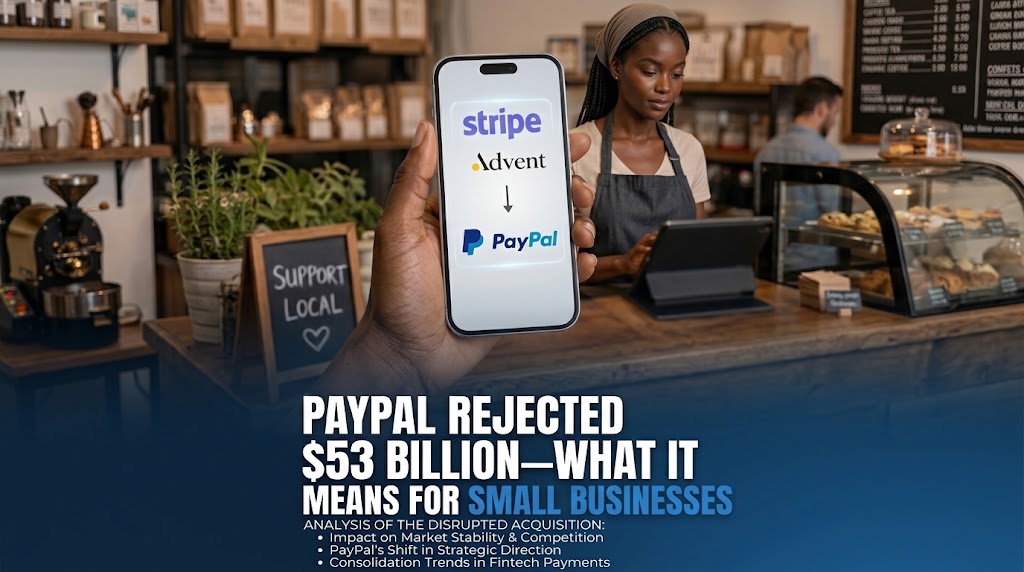
Stripe and Advent Drop $53 Billion PayPal Pursuit: What It Means for African Online Payments
Could Stripe Buying PayPal Finally Make Online Payouts Easier in Africa
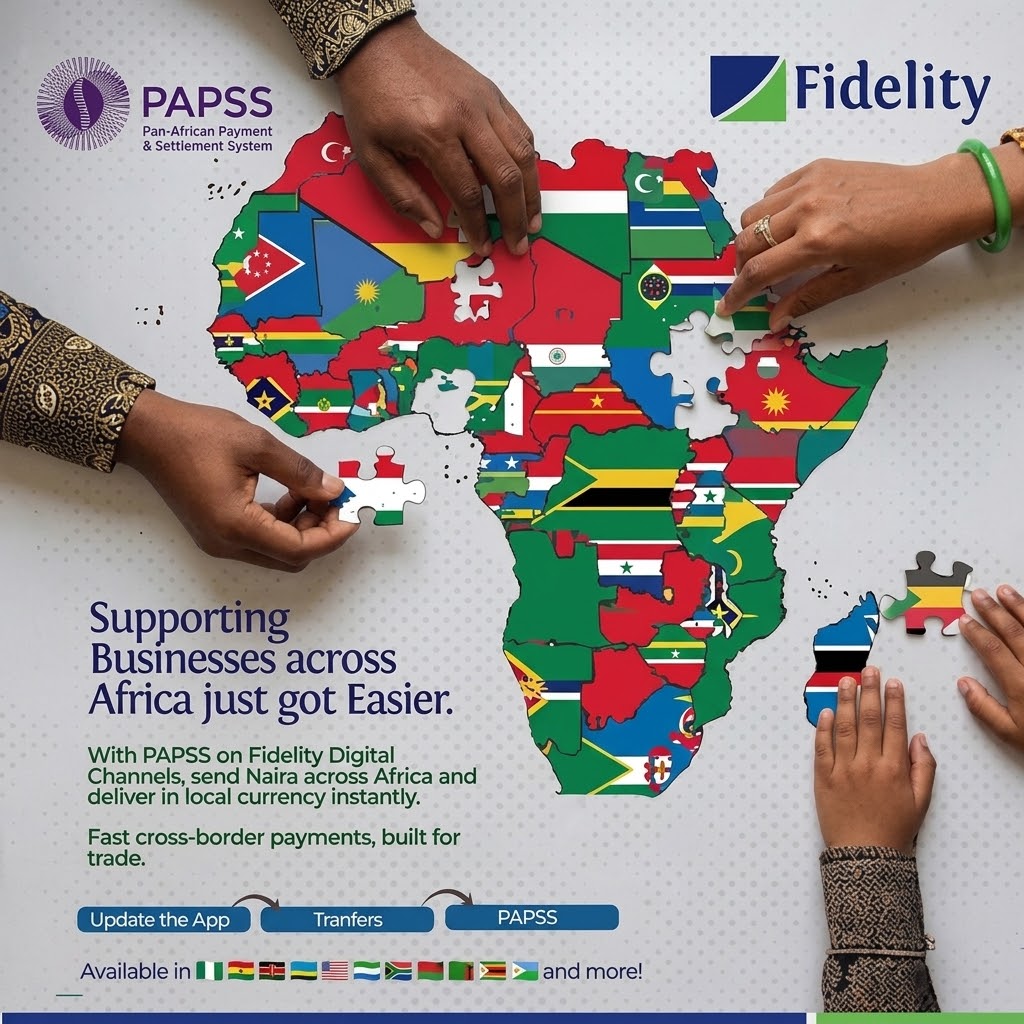
Africa Is Connecting Payment Systems: What That Could Eventually Change for Consumers

Paystack vs Flutterwave in Nigeria: What Your Business Keeps After Payment Fees
CBN’s January 2027 Data Rule: What Nigeria’s Banks and Fintechs Actually Have to Move
Follow TechView Africa on WhatsApp
Get TechView Africa updates on WhatsApp. Follow our channel for practical technology news, product guides and digital trends from Nigeria and across Africa.
Leave a comment
Comments cannot be edited or deleted after posting. Please review your comment before submitting.
No comments yet. Start the conversation.