

AfricAI founder Akil Wade is applying AI-assisted workflows to one of the least visible parts of technology events: what happens after participants leave. His approach focuses on preserving context, assigning responsibility, improving follow-up and separating measurable outcomes from activity that merely looks impressive.
What AI Events Often Miss After the Crowd Leaves
AI events generate introductions, promises and new ideas in a matter of hours, but much of that momentum can disappear once the room empties. AfricAI founder Akil Wade is trying to build a more structured way to track what happens next.
Technology events are usually judged by what happens in the room: speakers, demonstrations, audience activity and the energy surrounding the programme. Wade believes that model overlooks a harder problem: whether organisers can still account for the introductions, requests and promises created once the event has ended.
In material submitted to TechView Africa, he described an event “operating system” built around four ideas: preserving context, assigning responsibility, using AI carefully for follow-up and measuring results without overstating what the available evidence proves.
The problem begins after the programme ends
AfricAI’s current organiser-published recap lists 23 people who took its 2026 stage, while the organisation also documented a broader Cape Town programme involving multiple formats and activities. That figure should not be interpreted as total attendance; it is a stage-roster count.
AfricAI later held a Kenya workshop at iHub Nairobi on 3 August 2026, where Wade led a practical session focused on AI tools, workflows and systems for real work. Those records establish the programme, date, venue and format, but they do not independently establish how many people physically attended, how many subsequently adopted a tool or whether participants achieved measurable business outcomes. That distinction sits at the centre of Wade’s argument.
From contact lists to useful context
Most event follow-up starts with names and contact details, but that often preserves very little of what actually happened. A founder may have requested an introduction, another attendee may be waiting for a resource, while a potential partner may expect information promised during a conversation. Unless that context is recorded, organisers can find themselves reconstructing the event from memory, notes and scattered message threads.
Wade’s proposed system begins by recording what someone asked for, whether follow-up was permitted and what action remains outstanding. The next step is ownership. Instead of allowing a promised introduction or resource to become a vague team responsibility, each task should have a clearly assigned person or workflow responsible for completing it.
Where AI can help and where it should stop
Wade’s work with mAIstro focuses on AI-assisted systems for functions including sales, support, content and operations. He is now applying similar thinking to events.
AI could organise conversation notes, surface unanswered questions, remind a team that an introduction is still outstanding or help draft a follow-up containing something a participant specifically requested.
But easier automation can also make bad follow-up easier. Someone asking for one document has not automatically agreed to receive a permanent series of promotional messages. An effective event system therefore still needs permission, context and human judgement.
The same discipline applies to measurement. Registrations are not necessarily attendance, attendance does not prove adoption, and watching a demonstration does not establish that somebody later used the technology. If organisers want to claim that behaviour changed, they need to define the outcome first and collect evidence capable of supporting it.
The bigger question for African AI events
Africa’s growing AI-event ecosystem does not only need bigger stages or more ambitious programmes. It also needs stronger systems for preserving what happens afterwards.
That might mean recording commitments, routing follow-up, checking whether participants actually implemented something they learned and being willing to report when the evidence is inconclusive.
AfricAI’s system is still developing, and TechView Africa has not independently audited its underlying technical architecture or performance. The concept nevertheless raises a useful question for organisers across the continent:
When the room empties, can you still account for what you promised, what people needed and what actually changed?
Our Recommendation
AI should help event organisers make legitimate commitments easier to track, not simply generate more follow-up messages. Clear consent, named ownership and careful measurement are more important than the number of automated tools running behind the scenes.
About Akil Wade
Akil Wade is a Cape Town-based entrepreneur, AI event builder and community convener. He is the founder of AfricAI, an AI-focused events and community platform, and mAIstro, which focuses on AI-assisted operating systems for business functions including sales, support, content and operations.
*Organisation: AfricAI Project: mAIstro Location: Cape Town, South Africa Focus areas: AI operations, automation, event systems, business workflows and community building*
Sources & Verification
AfricAI Kenya — iHub Nairobi Event Listing
Frequently asked questions
What is AfricAI?
AfricAI is an AI-focused events and community initiative founded by Akil Wade, with activities including its 2026 Cape Town programme and a practical workshop at iHub Nairobi.
Did 23 people attend AfricAI 2026?
No. AfricAI’s current recap lists 23 people who took its 2026 stage. It is a speaker-roster figure, not a verified total-attendance number.
Has TechView Africa independently tested the event operating system?
No. TechView Africa verified the cited public programme details, but descriptions of the internal system and its current capabilities are based on information supplied by Akil Wade and have not been independently technically audited.

Google Is Giving Nigerian Students Google AI Plus Free for One Year: Here’s How to Claim It
Meta Wants Muse to Help Run Small Businesses. Here’s What Owners Should Keep Under Human Control
OpenAI’s Dots Can Keep Working After You Leave ChatGPT. That Changes What Using AI Means
50 Remote AI Jobs and Expert Projects Open Across Micro1, Mercor, Outlier and Handshake AI

16,326 Supabase Databases Had Readable Tables. The AI App Boom Is Scaling an Old Security Mistake
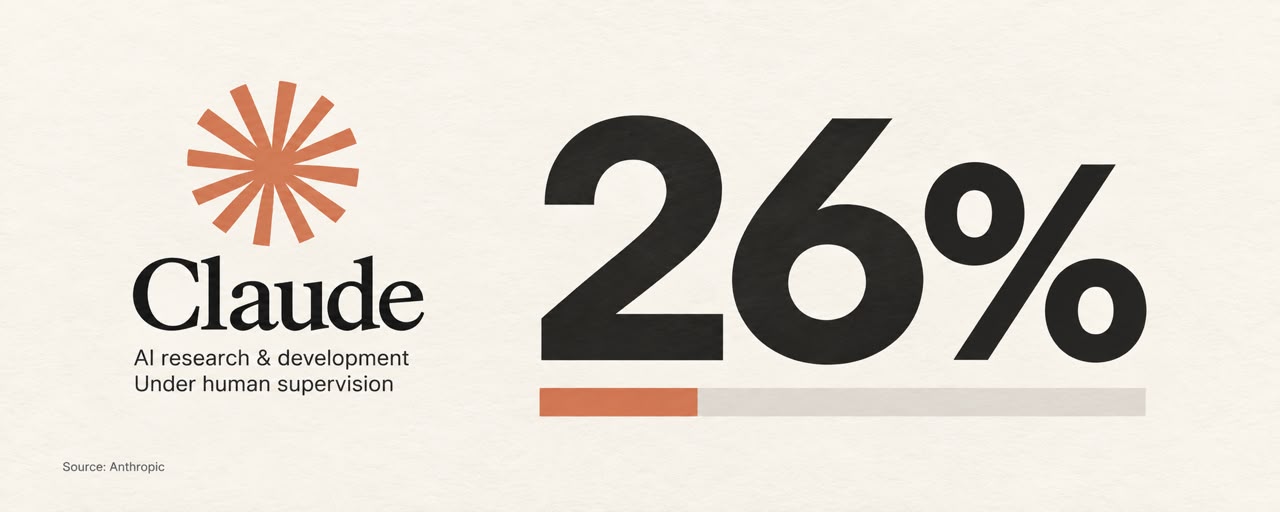
Claude Went From Leading Under 1% of Anthropic’s AI R&D to 26% in Six Months. Here’s What That Means

As AI Agents Gain More Control, Cybersecurity Rules Are Being Rewritten
Follow TechView Africa on WhatsApp
Get TechView Africa updates on WhatsApp. Follow our channel for practical technology news, product guides and digital trends from Nigeria and across Africa.
Leave a comment
Comments cannot be edited or deleted after posting. Please review your comment before submitting.
No comments yet. Start the conversation.