


Original content alone does not guarantee Facebook earnings. Creators must also meet monetisation eligibility requirements and generate qualified views. Understanding the relationship between originality, account standing and content performance is essential to building sustainable income from Facebook.
Facebook monetisation is no longer simply a question of how many people watch a video. A creator can attract hundreds of thousands of views without all those views qualifying for earnings, while repeatedly republishing other people's work can affect how Facebook distributes content and whether an account retains monetisation access.
Meta's changes involve three separate considerations: whether content is original, whether the creator and material qualify for monetisation, and whether the content attracts views eligible to generate earnings.
Understanding these requirements is important for African creators hoping to build sustainable income from Facebook, particularly as the platform places greater emphasis on original work and meaningful audience engagement.
What does Facebook consider original content?
Meta's March 2026 clarification provides a more detailed explanation of its Facebook original content guidelines.
Content filmed or produced directly by a creator or the owner of a Facebook Page or professional profile is considered original.
However, using another person's material does not automatically disqualify a video. Facebook allows certain remixes and overlays when the creator adds substantial creative value.
For example, a creator who uses a news clip to provide additional reporting, analysis or a meaningful explanation may produce something that meets Meta's originality expectations.
The problem arises when the additional contribution is superficial.
Meta identifies several practices that can make content unoriginal:
- Reacting to another person's video using facial expressions without meaningful commentary.
- Stitching several existing clips together without adding substantial creative value.
- Reposting someone else's video with a watermark, border or captions.
- Changing the playback speed or making minor visual adjustments.
- Narrating what viewers can already see without providing additional information.
These practices can lead to reduced distribution in Facebook Feed and Reels.
Creators who continue publishing primarily unoriginal material may also have their accounts classified as non-recommendable or lose monetisation access. Meta explains these requirements in its updated original content guidelines.
Does original content automatically qualify for Facebook monetisation?
No. Content originality and monetisation eligibility are related, but they are not interchangeable.
Facebook Content Monetisation covers eligible Reels, longer videos, Stories, photo posts and text posts. However, participation and payment remain subject to Meta's programme requirements.
There are three things creators should distinguish.
Originality: Does the content demonstrate genuine creative contribution rather than merely reproduce another person's work?
Eligibility: Has the creator been admitted to Facebook Content Monetisation, and does the account and individual post satisfy the relevant policies?
Performance: Does the eligible content attract views and engagement that can generate earnings?
A creator might produce genuinely original videos but still lack access to the monetisation programme. Equally, joining the programme does not make every post eligible for payment.
Copyright permission is another separate consideration. Having permission to use someone else's footage does not automatically make a minimally edited repost original under Meta's platform guidelines. Likewise, a platform originality decision is not a legal ruling on copyright ownership.
Why Facebook views do not always translate into earnings
Meta introduced additional monetisation metrics in March 2026 to give creators a clearer picture of how their content performs financially.
Three terms are particularly important.
Qualified Views: Views on content that may be eligible to earn money.
Earnings Rate: The approximate amount earned per 1,000 qualified views.
Non-Qualified Views: A breakdown showing why certain views do not qualify for earnings.
This means a public Reel view count should not be treated as the number of views generating revenue.
For example, a video displaying 500,000 views does not automatically mean that all 500,000 views qualify for payment. The creator needs to examine the qualified-view figure and the earnings rate displayed in their monetisation insights.
Meta's system uses a performance-based payout model. Consequently, there is no reliable universal amount that creators across Africa should expect from one million Facebook views.
Creators should use their own dashboard figures rather than relying on screenshots of another person's earnings or claims about fixed Facebook Reels monetisation rates. Meta provides further explanations in its March 2026 monetisation and earnings update.
Is Facebook monetisation available across all African countries?
No. Although Meta's originality guidance concerns content published on Facebook, access to its Content Monetisation advertising programme is geographically restricted.
A review of Meta's country-and-language availability information on 3 November 2026 identified 11 African countries listed for Facebook Content Monetisation ads:
- Algeria
- Democratic Republic of the Congo
- Egypt
- Ghana
- Kenya
- Morocco
- Nigeria
- South Africa
- Tanzania
- Tunisia
- Uganda
The list is not a guarantee that every creator in those countries can earn money. Programme access remains invitation-only, while account standing, content policies and supported language requirements also affect eligibility. Creators in other African countries should not assume that access to Facebook means they can join this particular programme.
The list can change, so creators should check the current country and language availability information before making monetisation plans. Other Meta earning products may have different availability requirements.
What African creators should check before expecting payment
Meta's March 2026 announcement described Facebook Content Monetisation as invitation-only. Creators can express interest through the Facebook mobile app by opening:
Professional Dashboard → Monetisation → Content Monetisation.
Submitting the interest form does not guarantee an invitation or immediate earnings.
Creators should also review their individual account status, monetisation policy notifications and any restrictions affecting their content.
Before publishing a Facebook Reel or another monetisable post, they should ask three questions:
- What did I actually create? Identify the footage, commentary, research or other material that belongs to you.
- What meaningful contribution have I added? When using another person's work, establish whether your analysis, explanation, reporting or creative development gives viewers something they would not get from the original material.
- Is my account and content eligible? Check monetisation status, relevant policy notifications and the performance information available in the Professional Dashboard.
A creator reposting a football goal with only a watermark or caption has made little additional creative contribution. Someone who has the right to use the footage and adds a tactical breakdown, original reporting or meaningful analysis is doing materially different work, although Meta retains control over its platform eligibility decisions.
Creators comparing alternative sources of platform income can also explore TechView Africa's guide to YouTube, TikTok, Instagram and X for African content creators.
Facebook remains an earning opportunity for eligible creators, but building a large audience alone is not a complete monetisation strategy. Original work, compliance with platform policies, programme access and qualified audience engagement all influence the opportunity to earn.
For creators across Africa, the more sustainable approach is to develop content that contributes something genuinely new rather than depending on the repeated circulation of material that already belongs to someone else.
Frequently asked questions
1. Can creators appeal if Facebook incorrectly classifies their content as unoriginal?
Yes. Meta says creators can appeal originality decisions. Creators who believe their original work has been incorrectly classified should use the appeal option provided by Facebook and review the associated account or content notifications.
2. What is Facebook's Content Protection tool?
Meta's Content Protection tool helps eligible creators identify potential copies of their original Facebook Reels and take action when matching content is detected. Access and availability may vary, so creators should check their Professional Dashboard.
3. What happens when someone repeatedly publishes unoriginal content on Facebook?
Meta says accounts that continue publishing primarily unoriginal material may lose recommendation eligibility and monetisation access. Their content may also receive reduced distribution in Facebook Feed and Reels.
WhatsApp Business Platform Charges Are Live: What Nigerian SMEs Need to Check Now
ChatGPT Ads Arrive in Nigeria: What ₦3,250 a Day Really Means
When Microsoft 365 Fails: The Cloud Continuity Plan African Businesses Need

Nigeria, Benin and Cameroon Want Linked Customs Systems. Why Are Borders Still Slow?
NDPC Registration in Nigeria: Does Your Business Need to Register?
CBN’s January 2027 Data Rule: What Nigeria’s Banks and Fintechs Actually Have to Move
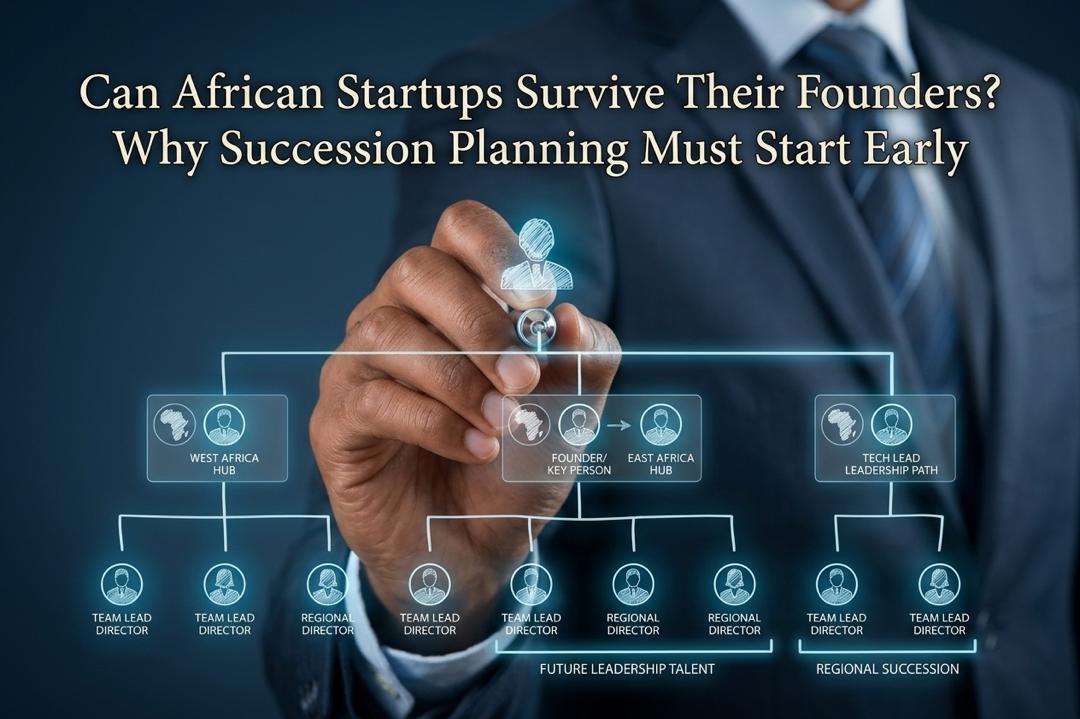
Can African Startups Survive Their Founders? Why Succession Planning Must Start Early
Follow TechView Africa on WhatsApp
Get TechView Africa updates on WhatsApp. Follow our channel for practical technology news, product guides and digital trends from Nigeria and across Africa.
Leave a comment
Comments cannot be edited or deleted after posting. Please review your comment before submitting.
No comments yet. Start the conversation.