

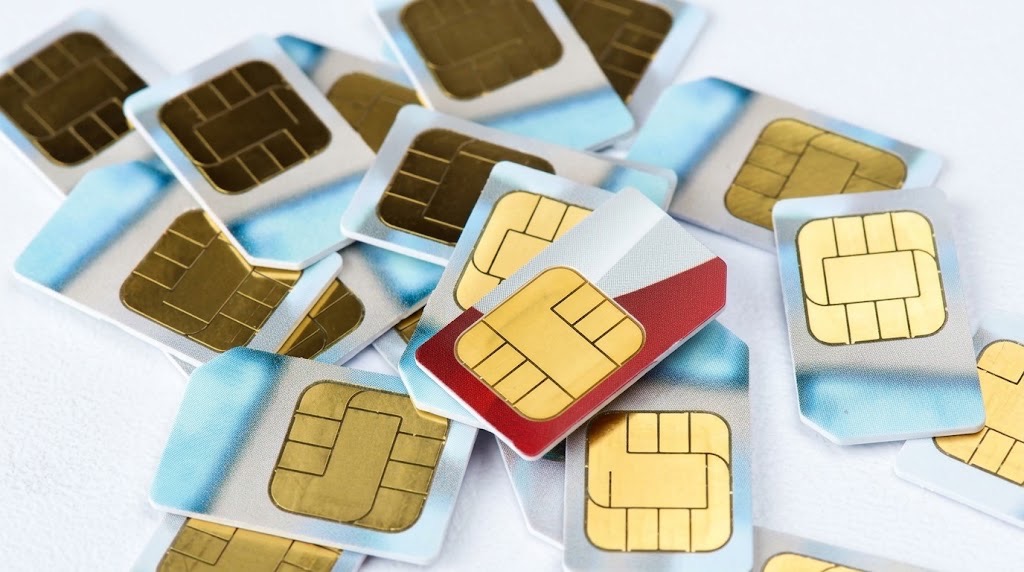
Nigeria is connecting telecom-number status with fraud checks in financial services, potentially making it harder for recently swapped or recycled numbers to pass unnoticed during sensitive transactions.
Nigeria Is Giving Banks a New Way to Detect SIM Swaps and Recycled Numbers
A phone number can remain attached to financial and digital accounts even after the SIM behind it changes hands. Nigeria’s TIRMS is designed to give banks and fintechs a warning before they rely on that number.
TIRMS will allow registered banks, fintechs, insurers and other approved organisations to check whether a mobile number has been swapped, churned, reassigned or blacklisted before sensitive activity. It provides a risk signal; it does not prove a person’s identity.
Nigeria is preparing to add a new fraud-detection layer between its telecommunications and financial systems. The Telecommunications Identity Risk Management System (TIRMS) is scheduled to go live in October 2026, giving approved organisations such as banks, fintechs and insurers a way to check a mobile number’s status before onboarding a customer, permitting sensitive activity or relying on the number during account recovery.
The NCC’s technical documentation shows that TIRMS can return statuses including SWAPPED, CHURNED, REASSIGNED, BLACKLISTED, NORMAL and NULL. Telecom operators update number-status information, while registered service providers can verify individual numbers or submit checks in bulk.
A SWAPPED status means the SIM associated with the number has changed. CHURNED indicates that the number has been disconnected, while REASSIGNED means it has been allocated to another user. A BLACKLISTED number has been blocked for fraud, compliance or another applicable reason.
That matters because a mobile number is now much more than a way to receive calls. It can be connected to bank alerts, one-time passwords, USSD transactions, password resets and other identity checks.
TechView Africa previously explained how SIM-swap fraud can redirect calls and security codes without the attacker stealing the victim’s phone. TIRMS gives financial institutions another signal they can use when the number itself suddenly changes status.
Recycled numbers create a different risk
SIM swapping is not the only problem. A legitimate subscriber can receive a number that previously belonged to somebody else, while an old bank profile, email account or digital service may still associate that number with its former owner.
TIRMS is designed to make that history more visible. NCC documentation says organisations can verify numbers during customer onboarding, before sensitive operations and through periodic checks of numbers already stored in their systems. The platform also supports notifications when a previously checked number changes status.
A bank could therefore decide that a recently swapped or reassigned number requires additional verification instead of treating an SMS code alone as sufficient evidence.
A “normal” result does not prove identity
There is an important limitation. A NORMAL result does not prove that the person holding a phone is the rightful owner of every account connected to that number. NCC documentation also explains that a NULL or normal-type response may reflect the absence of one of the defined risk statuses, so the usefulness of TIRMS will depend heavily on how accurately and quickly participating operators update their records.
TIRMS therefore does not replace passwords, biometrics, device checks, transaction monitoring or stronger authentication. It adds another piece of evidence.
That distinction matters in Nigeria’s wider fraud environment. TechView Africa’s analysis of 67,518 reported digital-payment fraud incidents and selected 2026 cyber alerts found recurring evidence of phishing, social engineering and credential compromise, showing that SIM-related risk is only one part of a broader account-takeover problem.
The Central Bank of Nigeria has also previously treated SIM swaps and mobile-number recycling as relevant signals when securing USSD financial services. TIRMS could make that type of cross-sector checking considerably easier to operationalise.
The real test starts after launch
The important questions will come after October: how quickly telecom operators update number changes, how banks and fintechs respond to risk flags, and what process consumers will have for correcting inaccurate information.
If implementation works as intended, TIRMS could close an important gap between Nigeria’s telecom and financial systems: a phone number can still look familiar to a bank even after the person behind it has changed.
Verification Links
Central Bank of Nigeria — USSD Regulatory Framework
The Guardian Nigeria — NCC confirms October 2026 TIRMS go-live timetable
Frequently asked questions
Can ordinary Nigerians check TIRMS themselves?
The current API documentation describes access for registered organisations rather than a public consumer lookup service.
Does a NORMAL status mean the number is definitely safe?
No. It means the number is not currently returned under one of TIRMS’ defined risk statuses. Other authentication and fraud checks remain necessary.
When will TIRMS launch?
The NCC says TIRMS and its associated business rules are scheduled to go live in October 2026. That is a planned launch window rather than a guarantee that every bank or fintech will be integrated immediately.
Inside Nigeria’s Digital Fraud Problem: What 67,518 Cases and 2026 Cyber Alerts Reveal
Fake Bank Alert or Real Payment: Here’s How to Verify It Properly
How to Check Whether an Online Store Is Genuine Before Sending Money
Why Nigerian Banks May Restrict Your Account After an Unusual Transaction
OPay Says It Is Not Shutting Down in Nigeria, Here’s What Customers Should Know
What Happens to Customer Money When a Fintech App Shuts Down?

Buy Now, Pay Later Looks Easy But Here is What You’re Really Agreeing To
Follow TechView Africa on WhatsApp
Get TechView Africa updates on WhatsApp. Follow our channel for practical technology news, product guides and digital trends from Nigeria and across Africa.
Leave a comment
Comments cannot be edited or deleted after posting. Please review your comment before submitting.
No comments yet. Start the conversation.