


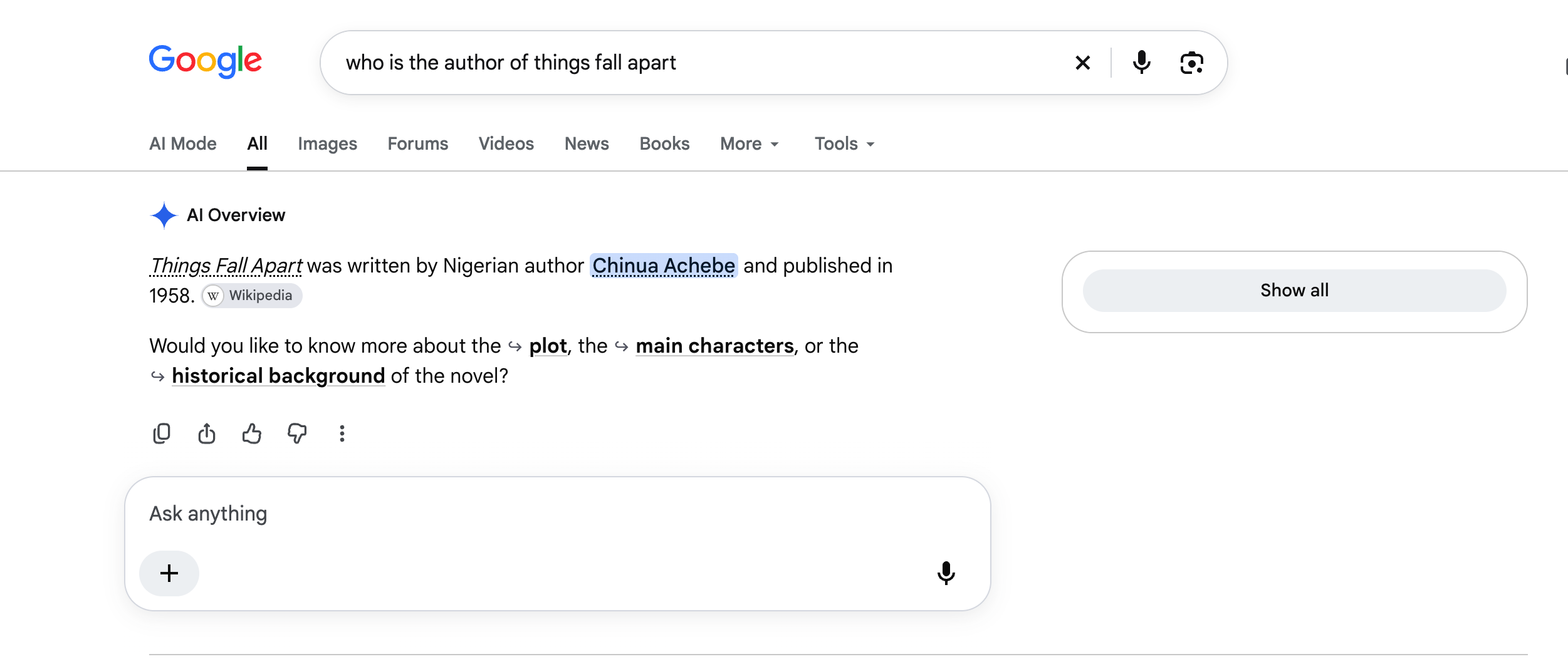
AI search creates three separate publisher interests: control over content use, traffic generated by distribution, and revenue from licensed material. Copyright may protect particular uses, but it does not compensate automatically for lost referrals. Publishers must assess all three.
How AI Search Is Changing Publisher Traffic
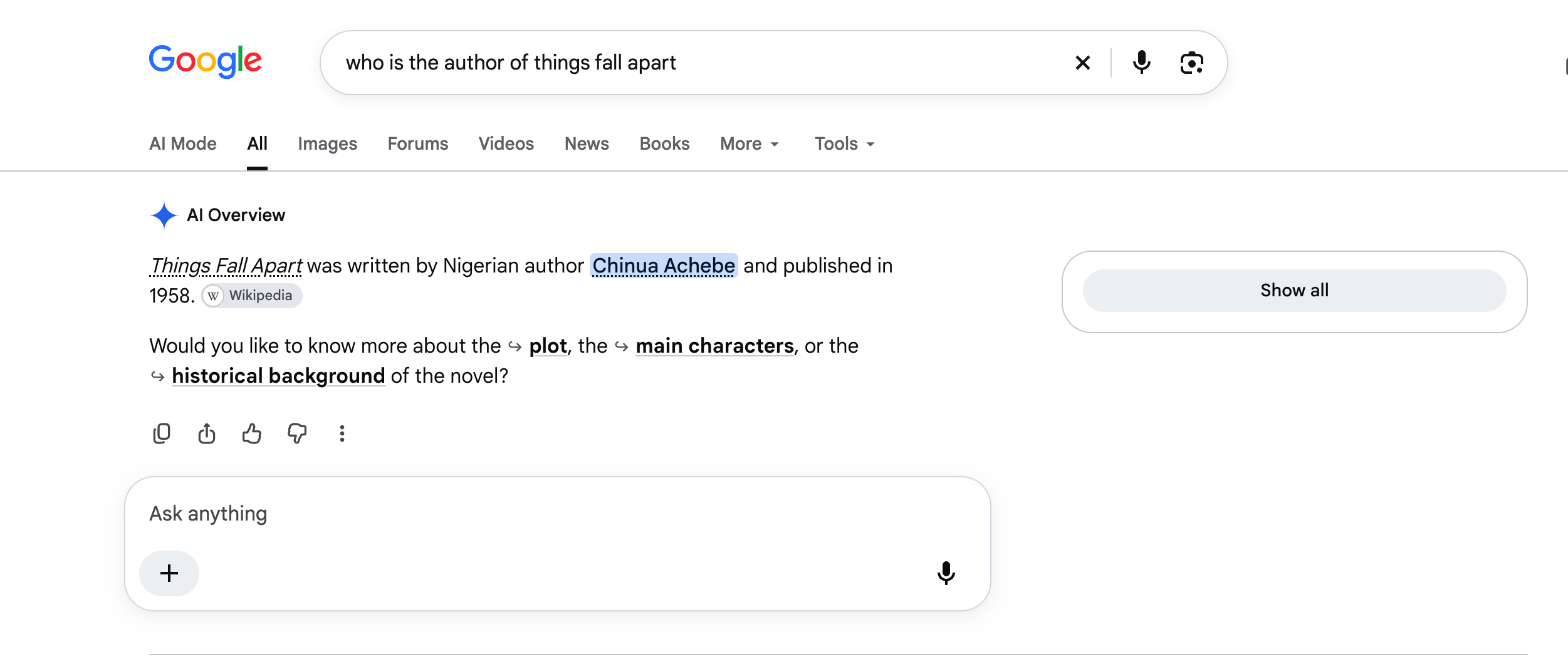
Search engines traditionally sent readers to publishers' websites. AI answer engines can combine information in a response without sending users to the original article.
The Reuters Institute's Journalism, Media, and Technology Trends and Predictions 2026 report found Google organic referrals to 2,576 publisher sites fell 33% globally between November 2024 and November 2025 (38% in its US sample). It does not attribute the decline to AI Overviews alone. In a survey of 268 news leaders, publishers expected search traffic to fall by an average 43% over three years.
Pew Research Center's analysis of 900 US adults found traditional-result clicks on searches with AI summaries were 8%, against 15% without summaries; links inside summaries were clicked in 1% of visits. These US findings indicate referral pressure, not a measured Nigerian loss rate.
AI Licensing Does Not Replace Every Publisher Revenue Stream
AI platforms are increasingly becoming commercial environments in their own right, monetising user attention through advertising, subscriptions and other services. At the same time, AI content licensing is creating a new revenue market for publishers. OpenAI's partnerships with News Corp and Guardian Media Group allow their journalism to appear in AI products with attribution and links, while Google reported in October 2026 that more than 400 publications were participating in its News AI pilot, which pays partners for enhanced content used in specified products, including article overviews and audio briefings. These developments point to a growing commercial relationship between AI companies and publishers, although the agreements do not mean that every use of journalistic content is licensed or compensated. TechView Africa's report on ChatGPT advertising in Nigeria explores another side of this shift: how AI platforms are turning their growing audiences into advertising opportunities.
These arrangements do not show that every retrieved article is licensed or that one product deal covers every AI feature. Most financial terms remain undisclosed. The Reuters Institute found 20% of publisher respondents expected substantial income from AI deals, 49% a minor contribution and 20% none. A publisher must establish what rights it grants, how use is measured and whether the deal generates referrals. A citation is not payment; a licence may not offset lost traffic.
AI Copyright Law: Training and Real-Time Retrieval Are Different
Copyright generally protects original expression, not the facts reported in a news article. An AI system may report a fact without copying protected wording; reproducing recognisable expression raises a different legal question.
Model training analyses material to develop a system. Retrieval-augmented generation (RAG) fetches information in response to a query and supplies it to a model to help produce an answer.
In Like Company v Google Ireland, Case C-250/25, Advocate General Maciej Szpunar issued a non-binding Opinion on 3 November 2026. He advised the EU Court of Justice to treat questions about Gemini training as hypothetical because there was no evidence that the claimant's articles had been used to train the model. For completeness, he considered that training would, as a rule, fall within the EU text-and-data-mining exception, subject to its conditions and rights reservations.
The Opinion instead examined chatbot answers. It says the EU press-publisher right does not protect facts. Potential infringement depends on whether a chatbot accessed an article unlawfully, such as by bypassing a paywall or effective anti-scraping measure, and whether its answer reproduces protected expression recognisably enough to dispense with the original article. Systematic reuse across related answers could also engage the right to make a publication available. The Court has yet to rule.
The EU framework also includes Article 15 of the Copyright Directive, a related right for qualifying press publishers over specified online uses, with exclusions for hyperlinking, individual words and very short extracts. Article 4 permits text and data mining of lawfully accessible works unless rights holders reserve their rights. Article 53 of the AI Act requires general-purpose model providers to maintain a copyright policy and publish a training-content summary, not pay an automatic royalty.
How US, UK, Canada and Australia Are Responding
The US applies case-specific fair use. In September 2026, the Third Circuit ruled against Ross Intelligence over its use of Westlaw headnotes in a competing legal-research product. Ross was not a generative chatbot, so the case does not settle AI-training law.
In the UK, a June 2026 Competition and Markets Authority requirement gives publishers controls over Google's generative search uses, plus clearer information, engagement metrics and attribution links. It sets no universal payment rate.
Canada's Google-Canadian Journalism Collective had distributed C$96.7 million to 445 news businesses by 30 June 2026, based on verified newsroom employment hours; independent freelancers' hours did not count as employee hours. Australia's 2026 Act creates a news-media bargaining charge with offsets for qualifying commercial deals or arbitration. These are bargaining mechanisms, not copyright royalties.
Nigeria's Copyright Act and AI: What Publishers Can Protect
Nigeria's Copyright Act 2022 protects original articles as literary works, including rights of reproduction, publication and communication to the public, but not the underlying facts of a news event.
Section 20 permits specified fair-dealing uses. For criticism, review or reporting current events, it requires acknowledgement where practicable and lists factors including purpose, the nature and amount of the work used, and the effect on its potential market. It also refers to public communication of news of the day and transient technical copies with no independent economic significance.
The Act contains no express commercial text-and-data-mining exception modelled on Article 4 of the EU directive, nor an EU-style standalone related right for press publishers. Morris K. Odeh's Journal of World Intellectual Property analysis argues that existing exceptions are unlikely to cover substantial, extended commercial AI training in many cases, and proposes a tailored exception. This is academic analysis, not a court ruling.
Sections 28-30 address first ownership, collective works, assignments and licences; Section 14 protects authors' moral rights. Publishers should check freelancer, syndication and image agreements before licensing rights they may not control.
Why the AI Search Economy Matters for African Publishers
A 29 October 2026 Columbia Journalism Review investigation found African publishers largely absent from public records of major AI deals and lawsuits. The African organisations it identified, including Punch, Daily Maverick, Al-Masry Al-Youm and Nation Media Group, had received AI Launchpad support, not a documented content-licensing payment. The tracker cannot rule out private deals.
The Reuters Institute's 2026 Nigeria report records the Newspaper Proprietors' Association's concerns about platform dominance, declining advertising and web traffic, and uncompensated AI use. These are industry concerns, not proof of infringement or measured national traffic losses.
Our Recommendation: Assess Rights, Distribution and Revenue Separately
Publishers should test AI agreements against three questions. Rights: Which articles, images and archives are covered, and does permission extend to training, retrieval, summaries or sub-licensing? Confirm rights in freelance and syndicated work. Distribution: Are attribution and links usable, and will the platform report referrals and engagement? Measure Search, Discover, direct, social and AI traffic separately. Revenue: Does payment reflect the scope and duration of rights granted? Specify usage reports, audit rights, author shares, renewal and termination. Collective representation may help smaller publishers, but allocation rules should not exclude freelance-led newsrooms.
For Nigeria, publishers should document ownership and establish traffic baselines before negotiating. Policymakers should clarify AI copyright exceptions while protecting authors and keeping local development viable.
Sources & Verification
Reuters Institute: Journalism, Media, and Technology Trends and Predictions 2026
Court of Justice of the European Union: Advocate General's Opinion, Case C-250/25
Frequently asked questions
1. Does citing a news publisher in an AI-generated answer mean the publisher has been compensated?
No. A citation provides attribution and can direct readers to the original article, but it does not automatically generate advertising revenue, subscription income or licensing fees. Compensation depends on the applicable copyright rules, contractual arrangements and any relevant platform payment agreements.
2. Can news publishers prevent AI companies from accessing their articles?
Publishers can use technical controls, including crawler restrictions and other access-management measures, to communicate or enforce limits on particular forms of automated access. However, these controls differ between platforms and purposes. They may not prevent every form of access, particularly where material has already been collected, licensed or obtained through another source.
3. Does permission to index a news article also allow an AI company to use it for model training?
Not necessarily. Indexing, storing, analysing, training on and retrieving an article for an AI-generated answer are different activities. Permission for one purpose does not automatically grant every other right. The applicable law, access conditions and licensing agreement determine what uses are authorised.
4. How can publishers establish whether an AI system has used their journalism?
Publishers can monitor AI-generated answers for citations, links, recognisable extracts and similarities to their original reporting. Keeping dated screenshots, copies of relevant answers, source URLs and access records can help establish an evidence trail. However, a similar answer or reference to an article does not, by itself, conclusively prove copyright infringement or use in model training.
5. What should publishers consider before signing an AI content licensing agreement?
Publishers should establish which articles and other materials they have the authority to license, and specify the permitted uses, including model training, real-time retrieval and AI-generated summaries. Agreements should also address payment, attribution, duration, sub-licensing, usage reporting, audit rights, data retention, termination and the treatment of journalists' rights. Independent legal review is advisable before granting extensive or exclusive permissions.
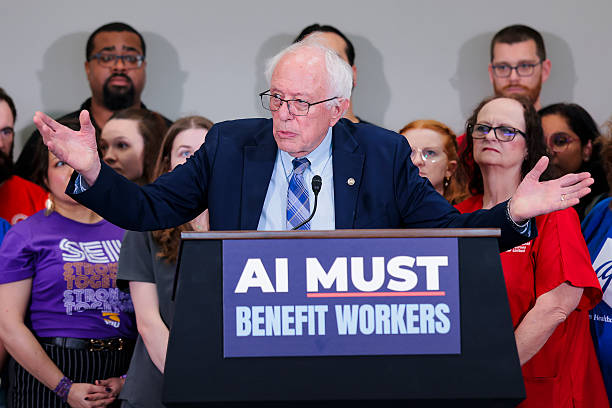
The New Machine Age: How AI Will Change Work and Where Humans Will Fit
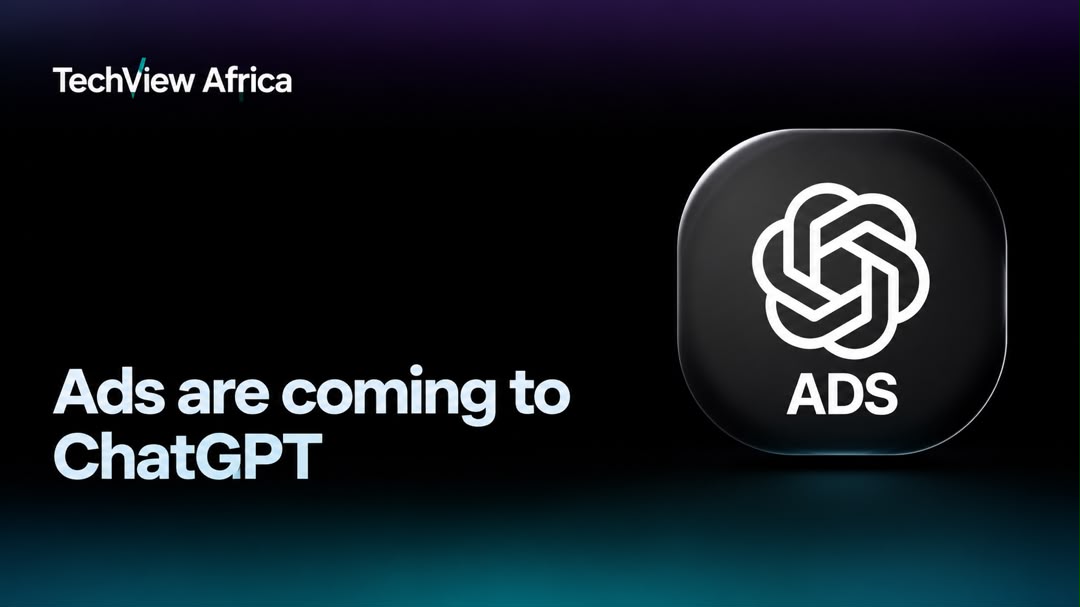
ChatGPT Ads Arrive in Nigeria: What ₦3,250 a Day Really Means

We Analysed Software Engineering Jobs in Africa: These 7 Skills Still Matter Even When AI Can Write the Code
We Checked 20 Humanoid Robot Deployments. Only Two Published Quantified Operating Results
We Analysed AI Job Listings Across Africa: Here’s What We Found
Google and AWS Are Making AI Chips Easier to Use. Is NVIDIA’s Software Advantage Narrowing?
MORENA AI Supports 12 African Languages, but How Accurate Is It?
Follow TechView Africa on WhatsApp
Get TechView Africa updates on WhatsApp. Follow our channel for practical technology news, product guides and digital trends from Nigeria and across Africa.
Leave a comment
Comments cannot be edited or deleted after posting. Please review your comment before submitting.
No comments yet. Start the conversation.